


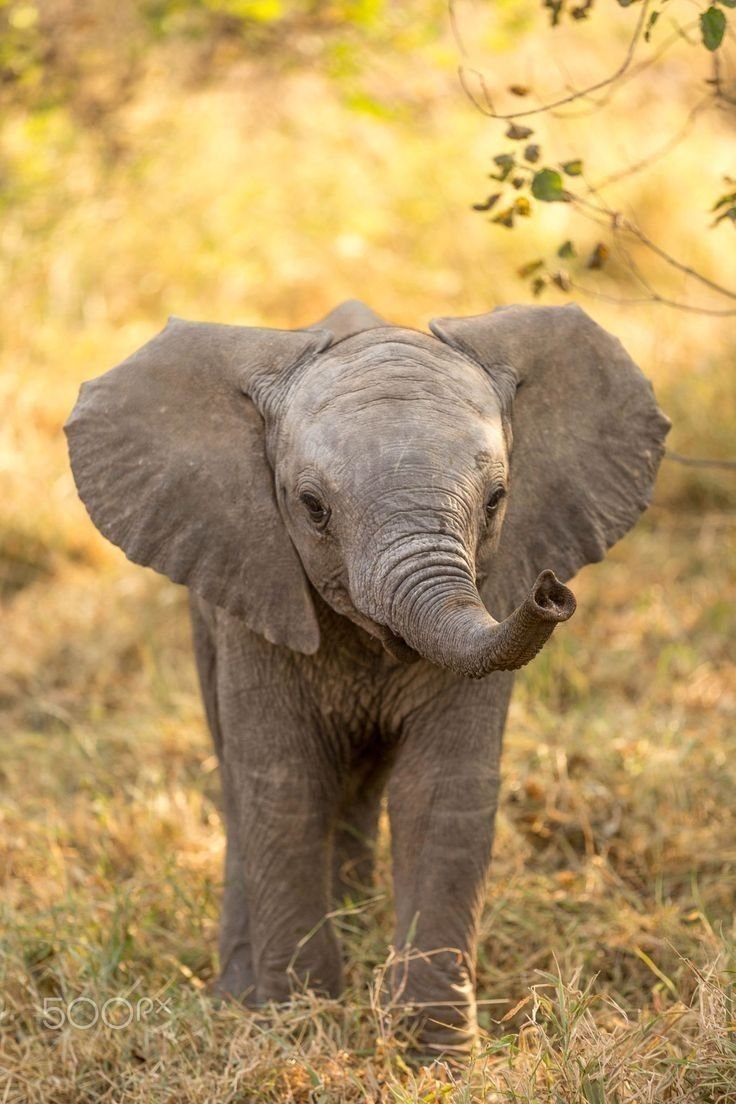
In a heartwarming operation, an elephant calf was rescued in Assam after it fell into a plantation drain at the Bogapani tea estate in Digboi. The two-month-old calf struggled for hours before help arrived. Forest officials, assisted by local wildlife NGOs, worked with precision and determination to save the animal. Eventually, the calf was released into Nazirating Forest and joyfully reunited with its herd.
Forest officials, along with local wildlife NGOs, worked tirelessly to save the distressed calf. After receiving immediate care, the calf was safely released into the Nazirating Forest, where it was reunited with its herd.
The Incident at Bogapani Tea Estate
The incident occurred when a herd of wild elephants crossed the Bogapani tea estate during its daily movement. The calf, too young to navigate the uneven terrain, slipped into a deep drain. Workers spotted the distressed animal and immediately contacted the Forest Department.
Wildlife rescue teams rushed to the site, supported by NGOs specializing in elephant conservation. With careful planning and equipment, they managed to lift the young elephant out of the drain without causing injury.
Immediate Medical Attention
The elephant calf rescued in Assam was visibly weak and frightened. Veterinary officers on-site provided rehydration and stress relief. They examined the calf thoroughly for injuries and monitored its breathing. Fortunately, it showed no fractures or deep wounds.
Forest officials confirmed that after a few hours of observation, the calf was declared fit for release.
“The calf was weak but stable. After medical care, we ensured it was reunited with its mother and herd in Nazirating Forest,” said a senior forest officer involved in the rescue.
Reuniting with the Herd in Nazirating Forest
The most delicate part of the operation was reuniting the calf with its family. Experts carefully transported the young elephant to Nazirating Forest, a region where its herd had been sighted earlier in the day.
Using field tracking and safe release techniques, the team guided the calf back to its group. Witnesses described an emotional reunion as the mother elephant welcomed her calf.
This successful operation prevented what could have been a tragic outcome, reinforcing the importance of conservation efforts in Assam.
Human-Elephant Conflict in Assam
The Bogapani rescue is not an isolated event. Assam faces frequent cases of human-elephant conflict, especially in tea estates and agricultural areas. Expanding human settlements and deforestation have reduced elephant habitats, forcing the animals to stray into plantations and villages.
According to Project Elephant, Government of India, the state is home to over 5,700 elephants, one of the largest populations in the country. However, habitat fragmentation leads to dangerous encounters, often resulting in injuries or fatalities for both humans and elephants.
Role of NGOs and Community
Wildlife NGOs played a crucial role in this rescue, working alongside forest staff to ensure the calf’s safety. Local communities also cooperated by informing authorities quickly and avoiding crowding near the site.
Such partnerships are vital in protecting elephants, which are listed as Endangered by the International Union for Conservation of Nature.
A Call to Protect Assam’s Elephants
This incident serves as a reminder that wildlife conservation requires urgent attention. Assam’s elephants are cultural icons and ecological guardians, but they face increasing threats.
Authorities and NGOs continue to work on:
- Creating safe wildlife corridors
- Raising awareness in tea estates and rural communities
- Promoting coexistence between humans and elephants
The successful rescue of the calf shows what is possible when communities, officials, and NGOs act together.
Hope for Assam’s Wildlife
The story of the elephant calf rescued in Assam is a symbol of hope. It highlights the dedication of forest officials, veterinarians, NGOs, and locals in protecting one of India’s most majestic species.
READ MORE: Tripura Student Assault in Assam: Meitei Society Demands Justice