


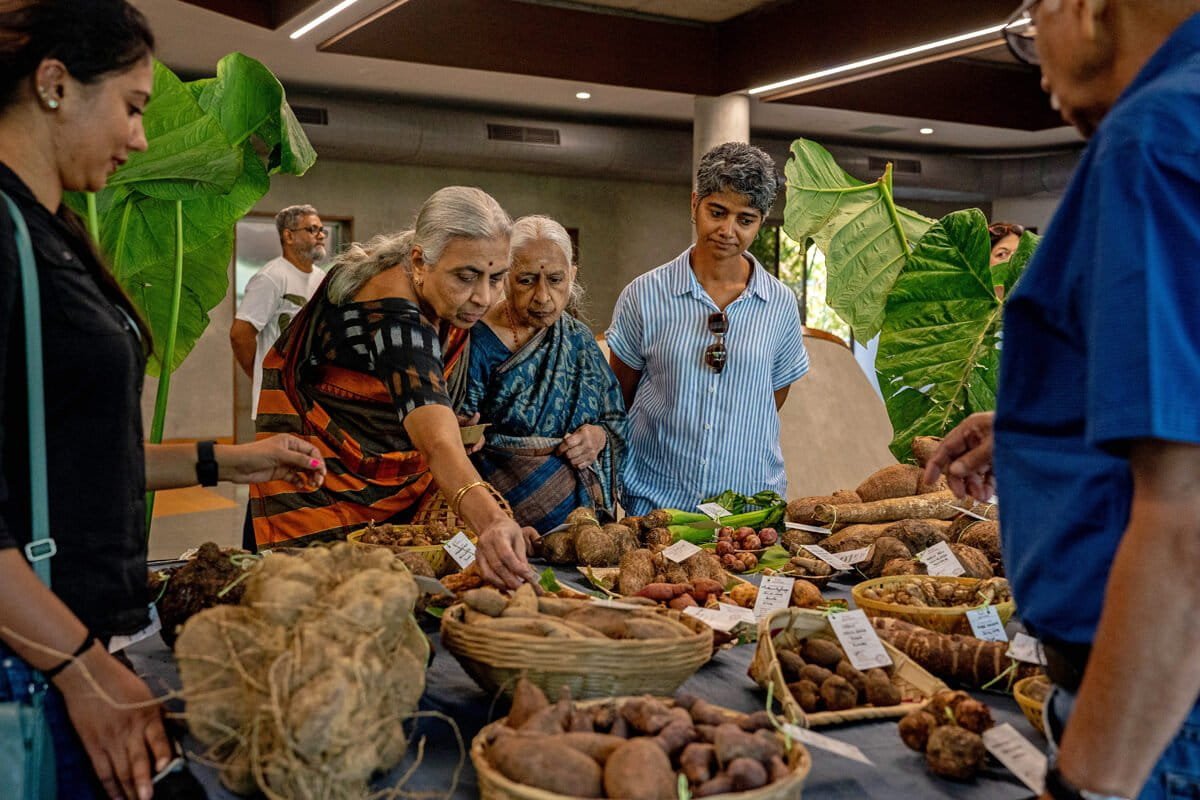
Sikkim is hosting the inaugural Northeast Tribal Food & Craft Festival 2026 at Ridge Park in Gangtok from November 27 to 29. The three-day event brings together artisans, craftsmen and traditional food practitioners from all eight Northeastern states to celebrate indigenous heritage, traditional cuisines and craftsmanship.
Fourth S-400 Strengthens Northeast as Fifth System Nears Delivery
Gangtok Hosts Northeast Tribal Food & Craft Festival 2026
The first-ever Northeast Tribal Food & Craft Festival has brought the cultural diversity of the region to Gangtok. The festival opened at Ridge Park on November 27, creating a shared platform for communities to present their traditional food, handicrafts and indigenous products.
The Tribal Research Institute (TRI), Sikkim, is organising the event under the state’s Social Welfare Department. The Ministry of Tribal Affairs, Government of India, is also supporting the initiative.
The festival will continue until November 29. Visitors can explore traditional cuisines, handmade products and cultural performances representing the eight Northeastern states.
All Eight Northeastern States Showcase Indigenous Heritage
One of the festival’s main attractions is the participation of all eight Northeastern states. Artisans, craftsmen, traditional food practitioners and entrepreneurs have come together to showcase their respective cultural traditions.
The exhibition highlights the region’s diverse indigenous knowledge and creative skills. Visitors can discover traditional food practices alongside handicrafts and locally made products.
The festival also provides an opportunity for participants to learn from one another. By bringing different communities together, the event encourages cultural exchange and strengthens connections across Northeast India.
Traditional Food and Handicrafts Take Centre Stage
Traditional cuisine and indigenous craftsmanship form the central themes of the festival. Food practitioners are presenting culinary traditions that reflect the region’s diverse communities and local ingredients.
Meanwhile, artisans are displaying products made through traditional skills and techniques. The exhibits include handloom, bamboo and cane crafts, woodcraft and traditional ornaments.
These crafts represent more than decorative products. They also reflect the knowledge, creativity and cultural identity passed down through generations.
The festival aims to give traditional producers greater visibility. It also seeks to connect artisans, self-help groups and food practitioners with wider markets.
Cultural Performances Mark the Inauguration
The opening ceremony featured cultural performances by students of Eklavya Model Residential School (EMRS), Gangyap.
Their programme included a prayer to Guru Rinpoche, along with traditional Bhutia, Lepcha, Limboo and Sherpa dances and songs. Students also presented a Lepcha traditional skit titled “Atek and the Yeti”.
These performances added a cultural dimension to the inaugural programme. They also highlighted the importance of passing indigenous traditions to younger generations.
Following the ceremony, dignitaries visited the exhibition stalls featuring traditional food, handicrafts and indigenous products from participating states.
Chewang Norbu Lepcha Inaugurates the Festival
Chewang Norbu Lepcha, Chairman of the Primitive Tribe Welfare Board, attended the inaugural ceremony as the chief guest and formally inaugurated the festival.
In his address, Lepcha emphasised the importance of preserving tribal customs, traditional knowledge and craftsmanship. He also highlighted the need to pass these traditions on to future generations.
Social Welfare Department Secretary Sarika Pradhan spoke about the value of bringing all eight Northeastern states together on a common platform. She highlighted opportunities for cultural exchange and mutual learning.
Pradhan also stressed the importance of connecting artisans, self-help groups and traditional food practitioners with wider markets. She expressed hope that the festival would become an annual event.
Special Secretary of the Social Welfare Department Bandana Chettri welcomed the dignitaries and participants. She highlighted the festival’s potential to support women, young people and local entrepreneurs.
Festival Inauguration Held in a Subdued Manner
The opening ceremony followed a subdued format following the death of Dhan Maya Tamang, mother of Sikkim Chief Minister Prem Singh Tamang.
As a mark of respect, participants observed a two-minute silence in her memory. The chief guest and other dignitaries subsequently lit the ceremonial lamp to formally inaugurate the festival.
Despite the subdued ceremony, the event provided a platform for communities from across Northeast India to celebrate their shared cultural heritage.
Promoting Tribal Livelihoods and Cultural Preservation
Beyond its cultural activities, the Northeast Tribal Food & Craft Festival aims to support traditional livelihoods.
Many artisans and food practitioners depend on indigenous skills and community-based knowledge. However, access to wider markets can remain a challenge for small producers.
The festival seeks to address this gap by bringing producers and visitors together. It can help artisans display their products, introduce traditional cuisines to new audiences and explore potential business opportunities.
Furthermore, the event encourages younger generations to appreciate their cultural roots. Showcasing traditional dances, food practices, handloom and crafts can help preserve knowledge that communities have maintained over generations.
The initiative also supports cooperation among the Northeastern states. A common platform allows participants to exchange ideas, understand different traditions and explore opportunities for future collaboration.
Ridge Park Becomes a Meeting Point for Northeast Culture
Ridge Park in Gangtok is hosting the three-day celebration from November 27 to 29. The venue brings together exhibition stalls, traditional food displays and cultural activities.
Visitors have an opportunity to experience the region’s diversity in one place. From indigenous cuisines to traditional ornaments and handcrafted products, the festival presents different aspects of tribal life and heritage.
The participation of all eight states also gives the event a wider regional character. It highlights the cultural richness of Northeast India while placing Sikkim at the centre of this shared celebration.
Conclusion
The first-ever Northeast Tribal Food & Craft Festival 2026 has brought artisans, traditional food practitioners and cultural representatives from all eight Northeastern states to Gangtok. Organised at Ridge Park by the Tribal Research Institute, Sikkim, the event celebrates indigenous cuisines, traditional crafts and cultural performances.
Beyond showcasing heritage, the festival aims to promote cultural exchange and create better livelihood opportunities for tribal communities. Its organisers also hope to establish the event as a regular annual platform for celebrating Northeast India’s diverse traditions.
Frequently Asked Questions (FAQs)
1. Where is the Northeast Tribal Food & Craft Festival 2026 being held?
The festival is taking place at Ridge Park in Gangtok, Sikkim.
2. When is the festival scheduled?
The three-day festival runs from November 27 to November 29, 2026.
3. Which states are participating in the festival?
All eight Northeastern states are participating in the event.
4. Who is organising the Northeast Tribal Food & Craft Festival?
The Tribal Research Institute, Sikkim, is organising the festival under the state’s Social Welfare Department, with support from the Ministry of Tribal Affairs.
5. What can visitors experience at the festival?
Visitors can explore traditional cuisines, indigenous handicrafts, handloom, bamboo and cane crafts, woodcraft, traditional ornaments and cultural performances.
6. Who inaugurated the festival?
Chewang Norbu Lepcha, Chairman of the Primitive Tribe Welfare Board, attended as the chief guest and inaugurated the event.
7. What is the main objective of the festival?
The festival aims to preserve indigenous heritage, promote traditional food and crafts, encourage cultural exchange and create livelihood opportunities for tribal artisans and entrepreneurs.