


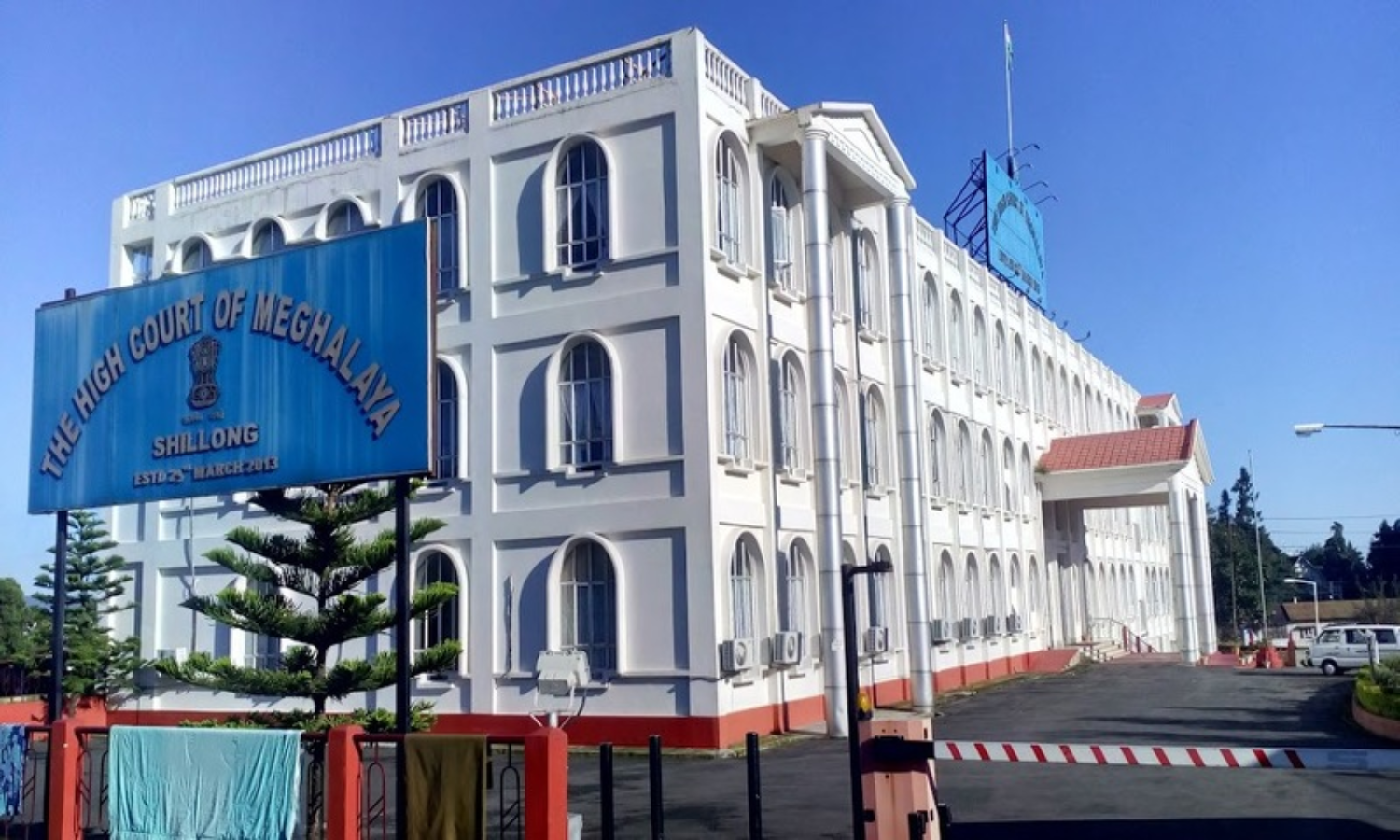
The Meghalaya High Court has raised concerns over police lapses in investigating the August 19 violence in Shillong. The court has directed Director General of Police (DGP) Anurag Agarwal to examine compliance by district Superintendents of Police and submit a detailed report on their accountability.
39 Naga Ancestral Remains Return Home as President Murmu Plans Hornbill Visit
Meghalaya High Court Seeks Accountability in Shillong Violence Case
The Meghalaya High Court has questioned the Meghalaya Police over its handling of the violence that occurred during a Khasi Students’ Union (KSU) rally in Shillong on August 19, 2026.
A division bench comprising Chief Justice Revati Mohite Dere and Justice W. Diengdoh raised concerns while hearing two public interest litigations on November 26. The court examined the progress of the investigation and the implementation of government directions to prevent mob violence and lynching.
The bench observed that official instructions must translate into action on the ground. It also called for accountability from district police authorities who were responsible for implementing the preventive measures.
The court asked DGP Anurag Agarwal to seek reports from Superintendents of Police across Meghalaya. He must examine whether they fulfilled their responsibilities and take appropriate steps against officers who failed to follow the directions.
Court Questions Investigation into August 19 Shillong Violence
The court also expressed concern over the progress of the investigation into the August 19 incident.
The violence followed a KSU black-flag bike rally in Shillong. The incident involved allegations of assaults on members of the public, vandalism and damage to vehicles and other property.
According to the latest status report, police had arrested seven accused in connection with the violence. However, the bench questioned why investigators had not identified more people allegedly involved in the incidents.
The Special Investigation Team (SIT) is continuing its investigation under Section 193(9) of the Bharatiya Nagarik Suraksha Sanhita (BNSS). The ongoing probe aims to establish the involvement of other identified and unidentified accused.
The court stressed the need for a thorough investigation and greater accountability in identifying those responsible for individual acts of violence.
Police Questioned Over Failure to Record the Rally
One of the major concerns raised by the High Court involved the failure to record the rally from its starting point.
The Supreme Court’s judgment in the Tehseen S. Poonawalla case provides directions for preventing mob violence and lynching. These include preventive measures and the videography of processions.
The Meghalaya High Court questioned why police had not recorded the rally from the KSU office in Jaiaw, Shillong, as required under the Supreme Court’s directions.
The bench also raised questions about the delayed collection of CCTV footage from Jaiaw. It wanted to know why police had not secured the recordings at the earliest opportunity to determine whether rally conditions had been violated.
The court examined an affidavit submitted by East Khasi Hills Deputy Commissioner Abhilash Baranwal. According to the affidavit, around 20 to 25 KSU volunteers allegedly began putting up banners and posters near the Meghalaya Secretariat at approximately 11 am on August 19.
An Executive Magistrate intervened and stopped the activity. The rally later began peacefully from the KSU office at Jaiaw around 3 pm.
However, the court noted apparent differences between the Deputy Commissioner’s affidavit and an earlier police status report. These differences concerned allegations that some participants covered their faces, carried lathis and concealed vehicle registration numbers.
The bench questioned whether the police had adequately monitored the procession and responded to possible violations.
CCTV Footage from 32 Locations Submitted Before Court
The Special Investigation Team has submitted CCTV footage collected from around 32 locations in Shillong, including Jaiaw.
The footage was placed before the court in a sealed envelope. The bench asked the amicus curiae, K. Paul, to examine the recordings at the office of the Additional Advocate General.
The examination is expected to assist the court in assessing the available evidence and understanding the events surrounding the rally.
The delayed collection of CCTV footage from Jaiaw remains an important issue in the proceedings. The court wants investigators to establish whether the rally conditions were breached and identify those allegedly involved in the subsequent violence.
Court Questions Implementation of Anti-Mob Violence Measures
Apart from the investigation, the High Court examined whether district police authorities had implemented the state’s directions on preventing mob violence and lynching.
A government notification dated October 25, 2023, designated district Superintendents of Police as nodal officers for these responsibilities.
However, the state government informed the court that no special task force had been constituted. It also stated that the designated District Nodal Officers had not held the required meetings.
The bench expressed concern over this lack of implementation. It observed that government instructions cannot remain limited to official notifications without action.
Consequently, the court directed the DGP to review compliance across all districts. He must obtain reports from the respective SPs and examine whether they carried out their assigned responsibilities.
The court also expects the DGP to take appropriate action against officers found to have failed to implement the directions.
High Court Seeks Details of Victim Compensation
The Meghalaya High Court also raised the issue of compensation for people affected by mob violence and lynching.
The bench directed the state government to clarify whether it had prepared a victim compensation scheme under Section 357-A of the Code of Criminal Procedure.
The court sought details about compensation for different forms of harm, including:
- Physical and psychological injuries
- Loss of earnings and employment opportunities
- Loss of educational opportunities
- Medical expenses
- Legal expenses
The government must also explain whether it has provided compensation to affected victims.
Furthermore, the court sought details of the state’s compliance with the Supreme Court’s directions in the Tehseen S. Poonawalla case. These directions cover preventive, remedial and punitive measures to address mob violence and lynching.
Next Hearing Scheduled for December 11
The High Court has listed the matter for further hearing on December 11, 2026.
The DGP and other concerned officials are expected to submit affidavits addressing the issues raised by the bench. These reports will help the court examine police accountability, compliance with preventive measures and progress in the investigation.
The proceedings will also cover the victim compensation mechanism and the implementation of the Supreme Court’s directions.
The latest order places the investigation and the responsibilities of district police authorities under continued judicial scrutiny.
Conclusion
The Meghalaya High Court has raised several concerns over the investigation into the August 19 Shillong violence and the implementation of measures to prevent mob violence.
The court has directed DGP Anurag Agarwal to review the responsibilities of district Superintendents of Police, verify compliance and take appropriate action where necessary. It has also questioned delays in collecting CCTV footage, the limited number of arrests and the absence of special task forces.
The next hearing on December 11 will provide an opportunity for the state authorities to submit their explanations and compliance reports.
Frequently Asked Questions (FAQs)
1. Why has the Meghalaya High Court questioned the police?
The court raised concerns over investigation lapses, delayed CCTV collection, the identification of accused persons and the implementation of anti-mob violence measures.
2. Which incident is under investigation?
The case concerns violence during a Khasi Students’ Union black-flag bike rally in Shillong on August 19, 2026.
3. How many people have been arrested so far?
According to the latest report considered by the court, seven accused had been arrested.
4. What has the High Court directed the DGP to do?
The court directed DGP Anurag Agarwal to seek reports from district SPs, examine their compliance with government instructions and take appropriate steps against officers who failed to fulfil their responsibilities.
5. How many locations have CCTV footage been collected from?
The SIT submitted CCTV footage from around 32 locations, including Jaiaw.
6. What is the Tehseen S. Poonawalla case?
It is a Supreme Court case that laid down preventive, remedial and punitive directions to address mob violence and lynching.
7. When is the next hearing?
The Meghalaya High Court has scheduled the next hearing for December 11, 2026.