


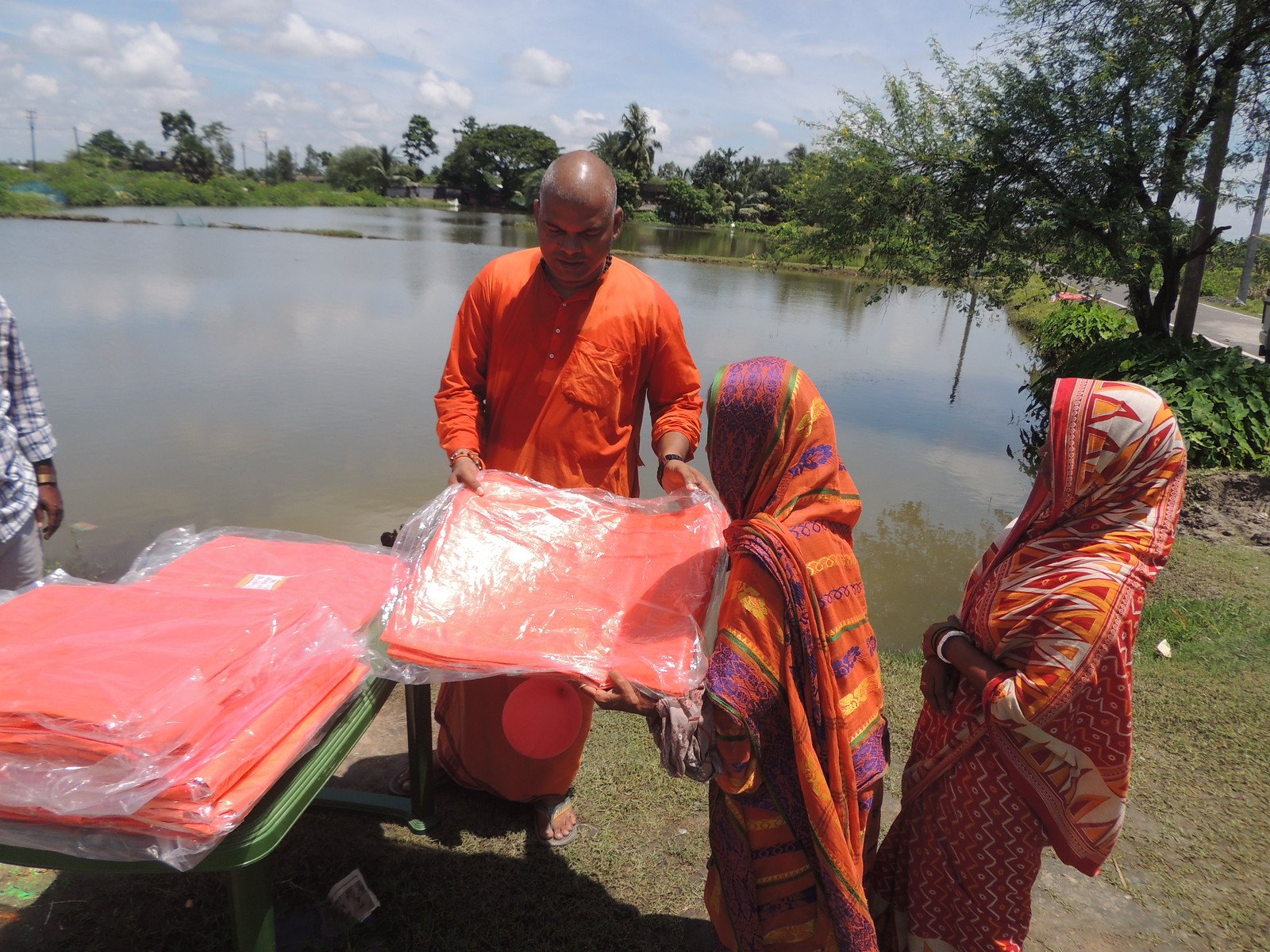
The Flood Relief Fund Politics has intensified as ruling and opposition parties clash over the pace of rehabilitation fund distribution. The dispute has brought attention to how quickly affected families receive financial assistance after flood-related damage. Moreover, both sides have used the issue to question the effectiveness of the rehabilitation process. As political debate grows, affected communities remain focused on timely support and recovery.
Tripura House Voter Verification Set for September 15 to October 14, 2026
Flood Relief Fund Politics Centres on Distribution Speed
The Flood Relief Fund Politics debate centres on the pace at which rehabilitation funds reach flood-affected families. Floods can disrupt homes, livelihoods, infrastructure and access to essential services. Therefore, timely financial assistance becomes especially important for families trying to restore their daily lives.
Ruling and opposition parties have taken different positions on the distribution process. While the government side can point to administrative steps and ongoing relief efforts, opposition parties have raised concerns about delays.
Moreover, the speed of fund distribution depends on several administrative factors. Authorities may need to verify damage, identify eligible beneficiaries and complete necessary documentation before releasing assistance.
However, affected families often expect the process to move quickly because prolonged delays can make recovery more difficult.
Meanwhile, political parties continue to monitor the implementation of rehabilitation measures. Consequently, the distribution of funds has become both a humanitarian concern and a political issue.
Opposition Questions Rehabilitation Fund Delays
The Flood Relief Fund Politics debate has given opposition parties an opportunity to question the government’s handling of rehabilitation assistance. They have focused particularly on whether affected families receive financial support within a reasonable timeframe.
Furthermore, opposition leaders can use public concerns over delayed assistance to demand greater transparency in the distribution process. They may also seek details about the number of beneficiaries identified, funds released and applications still awaiting approval.
At the same time, the government can highlight the administrative procedures required to ensure that assistance reaches genuine beneficiaries.
Therefore, the disagreement involves both the speed of payments and the mechanisms used to distribute public funds.
Additionally, transparent communication can help reduce confusion among affected residents. Authorities can provide clear information about eligibility, application procedures and expected timelines.
Meanwhile, political scrutiny can encourage greater attention to unresolved cases.
However, relief and rehabilitation measures ultimately affect people beyond political competition. Families dealing with flood damage need practical assistance rather than prolonged political disagreements.
Consequently, both government agencies and political parties face pressure to keep the recovery process focused on affected communities.
Flood Recovery Becomes Political Flashpoint
The Flood Relief Fund Politics controversy reflects how natural disasters can quickly become major political issues. Flood management, compensation and rehabilitation often attract public attention because they directly affect people’s homes, livelihoods and financial security.
Moreover, opposition parties frequently examine government relief measures and raise concerns about implementation. Ruling parties, meanwhile, defend their policies and administrative efforts.
This political competition can bring important problems into public discussion. For example, complaints from affected residents may receive greater attention when political parties raise them publicly.
Nevertheless, political debate should remain connected to verified information about relief distribution.
Furthermore, rehabilitation requires coordination between multiple administrative levels. Local officials may have to assess damage, compile beneficiary information and coordinate the release of funds.
Therefore, delays do not always result from a single administrative decision. Different stages of verification and processing can influence the overall timeline.
Meanwhile, affected families continue to require assistance for rebuilding homes, restoring livelihoods and meeting immediate expenses.
As a result, the political debate places additional pressure on authorities to demonstrate that rehabilitation programmes operate efficiently.
Faster Rehabilitation Remains Key Priority
The Flood Relief Fund Politics debate could continue as authorities work to complete rehabilitation payments and address pending cases. The central concern remains whether eligible flood-affected families receive assistance without unnecessary delays.
Moreover, authorities can strengthen confidence by publishing clear updates on fund distribution and pending applications.
Regular communication can also help residents understand the status of their claims. Additionally, local officials can play an important role in identifying difficulties faced by beneficiaries during the application and verification process.
Meanwhile, opposition parties are likely to continue demanding accountability over the pace of rehabilitation.
However, the broader objective should remain the recovery of communities affected by flooding. Political disagreements may form part of democratic scrutiny, but rehabilitation efforts require sustained administrative attention.
Therefore, faster processing, transparent procedures and effective coordination can help ensure that relief reaches people who need it.
The issue also highlights the importance of preparedness for future floods. Stronger disaster-response systems can reduce delays and improve coordination when emergencies occur.
Ultimately, the debate over rehabilitation funds demonstrates how disaster recovery can become a major political issue when communities continue to wait for assistance.
Conclusion
The Flood Relief Fund Politics dispute has brought the pace of rehabilitation fund distribution into sharp political focus. Ruling and opposition parties continue to differ over how quickly assistance reaches flood-affected families. Moreover, transparent procedures, timely payments and clear communication can help address public concerns. As recovery efforts continue, the priority remains ensuring that eligible families receive the support required to rebuild their lives.
FAQs
1. What is the Flood Relief Fund Politics controversy about?
The controversy concerns disagreements between ruling and opposition parties over the speed of rehabilitation fund distribution to flood-affected people.
2. Why does the speed of rehabilitation payments matter?
Timely payments can help affected families repair homes, restore livelihoods and manage expenses after flood-related losses.
3. Why can rehabilitation funds take time to reach beneficiaries?
Authorities may need to verify damage, identify eligible beneficiaries and complete administrative procedures before releasing funds.
4. What are opposition parties demanding?
Opposition parties have raised concerns about delays and called for greater accountability and transparency in the rehabilitation process.
5. How can authorities improve the rehabilitation process?
Authorities can improve the process through faster verification, transparent procedures, regular updates and better coordination among administrative agencies.