


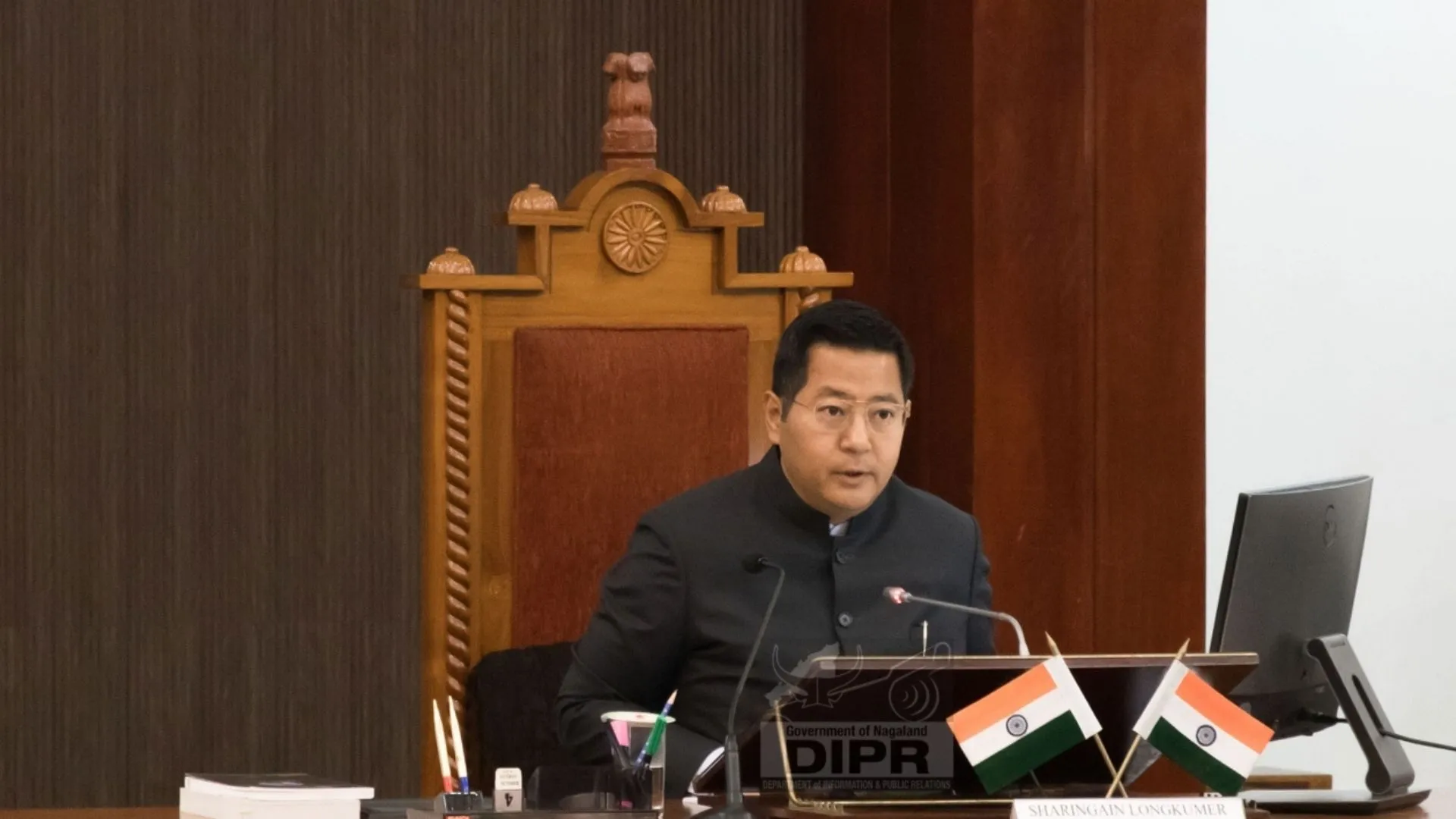
The FNTA Bill Nagaland Assembly proceedings marked an important development as the state legislature introduced the revised Frontier Nagaland Territorial Authority Bill on September 1. The legislation relates to the proposed administrative framework for the Frontier Nagaland region. Moreover, the introduction places the issue before the state’s legislative process for further consideration. The move could shape discussions around governance, administration and development in eastern Nagaland.
Tripura House Voter Verification Set for September 15 to October 14, 2026
FNTA Bill Nagaland Assembly Begins Legislative Process
The FNTA Bill Nagaland Assembly development formally brings the revised legislation into the Assembly’s proceedings. The government introduced the Frontier Nagaland Territorial Authority Bill on September 1 as part of the legislative process.
Moreover, tabling a bill allows legislators to examine its provisions and debate the proposed framework. The process can include discussions on the structure, responsibilities and powers that the legislation seeks to establish.
Therefore, the introduction represents an important procedural step rather than the completion of the legislative process.
Furthermore, Assembly discussions can provide elected representatives with an opportunity to raise questions and seek clarification about different provisions.
Meanwhile, the proposed authority remains closely connected to wider discussions about administrative arrangements and development in eastern Nagaland.
The bill’s introduction consequently puts greater focus on how the proposed framework could operate if legislators approve it.
Revised Bill Focuses on Frontier Nagaland
The FNTA Bill Nagaland Assembly discussion centres on the revised version of legislation concerning the Frontier Nagaland Territorial Authority.
The Frontier Nagaland proposal has emerged from longstanding demands for greater attention to the development needs of eastern districts.
Moreover, the region has faced discussions around infrastructure, employment, connectivity and administrative development. Supporters of the proposed arrangement have linked such concerns to the need for stronger institutional mechanisms.
However, the revised bill will need to undergo legislative scrutiny before its final provisions become clear.
Additionally, lawmakers can examine how the proposed authority would function alongside existing state administrative structures.
Therefore, the Assembly’s consideration could become an important stage in determining the practical framework of the proposed arrangement.
Meanwhile, communities and stakeholders across Nagaland may closely follow the legislative discussions because the issue carries broader implications for governance and regional development.
The government will consequently need to explain the objectives and provisions of the revised legislation clearly during the legislative process.
Assembly Debate Could Shape Governance Framework
The FNTA Bill Nagaland Assembly proceedings could generate detailed discussions about the proposed authority’s powers, responsibilities and administrative scope.
Moreover, any new territorial or administrative mechanism requires clarity regarding its relationship with existing institutions.
Legislators may therefore examine how the proposed authority could coordinate with the state government and other administrative bodies.
Furthermore, discussions could focus on development planning and the delivery of public services across the Frontier Nagaland region.
Effective governance depends on clearly defined responsibilities. Therefore, the legislative process provides an opportunity to examine whether the proposed framework can address regional concerns while maintaining coordination with the broader state administration.
Meanwhile, political parties and regional stakeholders may present different perspectives on the revised bill.
However, the Assembly remains the formal forum for examining the legislation and determining its next stage.
Consequently, the September 1 introduction could mark the beginning of a significant legislative debate in Nagaland.
The outcome of that process will depend on the provisions contained in the revised bill and the discussions that follow in the Assembly.
FNTA Bill Moves Toward Further Consideration
The FNTA Bill Nagaland Assembly development now shifts attention toward the next stages of legislative consideration.
Moreover, lawmakers will have the opportunity to scrutinise the revised provisions and discuss their potential administrative and developmental impact.
The government may also need to respond to questions raised by legislators and explain how the proposed authority would operate in practice.
Additionally, stakeholders in eastern Nagaland will likely watch the proceedings closely because the bill relates directly to the region’s proposed administrative framework.
The legislative process can also provide an avenue for identifying areas that may require clarification or modification.
Meanwhile, public discussion around the bill could continue as lawmakers consider its broader implications.
Therefore, the September 1 introduction should be viewed as an important step within a larger legislative process rather than as the final outcome.
If the Assembly advances the legislation, subsequent procedures will determine its future course.
Ultimately, the revised Frontier Nagaland Territorial Authority Bill places a significant regional governance issue at the centre of Nagaland’s legislative agenda. The coming discussions will provide greater clarity about the proposed authority and its potential role in the development and administration of eastern Nagaland.
Conclusion
The FNTA Bill Nagaland Assembly development marks an important stage in the state’s consideration of the revised Frontier Nagaland Territorial Authority Bill. The legislation entered the Assembly on September 1, opening the way for further scrutiny and debate. Moreover, lawmakers can examine its proposed administrative framework and potential implications for eastern Nagaland. The next stages of the legislative process will determine how the bill progresses.
FAQs
1. What is the FNTA Bill?
The Frontier Nagaland Territorial Authority Bill proposes an administrative framework for the Frontier Nagaland region.
2. When did the Nagaland Assembly introduce the revised bill?
The revised bill entered the Nagaland Assembly on September 1.
3. What does the FNTA proposal relate to?
The proposal relates to governance, administration and development arrangements for eastern Nagaland.
4. What happens after a bill gets introduced in the Assembly?
Legislators can examine its provisions, debate the proposal and consider its further legislative course.
5. Why is the FNTA Bill Nagaland Assembly development significant?
It brings the proposed Frontier Nagaland administrative framework into the formal legislative process and opens the issue to further Assembly consideration.