


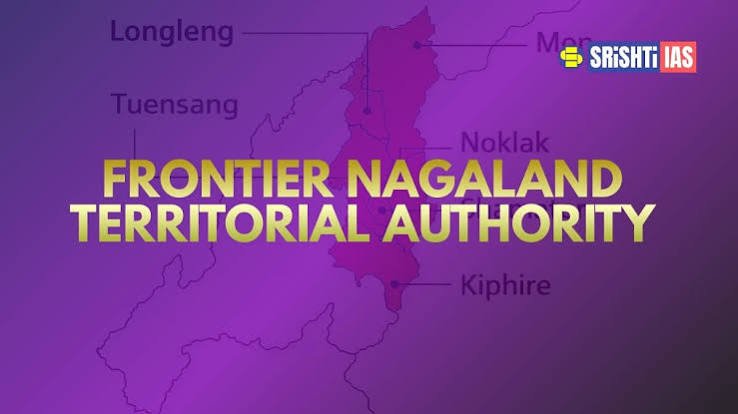
The FNTA 46 Subjects Framework has emerged as a key feature of Nagaland’s newly passed Frontier Nagaland Territorial Authority framework. Under the arrangement, the FNTA will receive control over 46 specific development and administrative subjects. However, the state government will retain primary control over important areas including mining, senior administration and police powers. Moreover, the division of responsibilities establishes a distinct balance between regional autonomy and the state government’s continuing authority.
Tripura Land Rights Draft Expected Within 15 Days After New Delhi Deliberations
FNTA 46 Subjects Framework Defines Regional Responsibilities
The newly passed framework assigns the FNTA responsibility for 46 specific subjects linked to development and administration.
Furthermore, the allocation gives the authority a defined role in addressing issues affecting communities across Eastern Nagaland.
The arrangement can allow local institutions to focus more directly on regional priorities and development requirements.
Moreover, clearly identifying the subjects under FNTA control can help establish administrative responsibilities and reduce uncertainty over the authority’s functions.
The FNTA 46 Subjects Framework therefore represents an important component of the new institutional structure created for Eastern Nagaland.
Additionally, the effectiveness of these responsibilities will depend on how authorities implement and coordinate the assigned functions.
FNTA 46 Subjects Framework Balances Autonomy and State Powers
Although the FNTA will control 46 subjects, the state government will continue to exercise authority over several major areas.
Mining remains under primary state control, reflecting the importance of natural resources within the state’s wider administrative framework.
Furthermore, senior administration will remain with the state government, ensuring that key higher-level administrative functions continue under the existing state structure.
Police powers will also remain primarily with the state government.
Therefore, the framework does not transfer every major administrative responsibility to the FNTA.
Instead, the Subjects Framework establishes a division of responsibilities between the regional authority and the state government.
FNTA 46 Subjects Framework Focuses on Development
The 46 subjects assigned to the FNTA include specific areas connected with development and administration.
Moreover, giving the authority responsibility over these areas could allow it to respond more directly to local requirements.
Eastern Nagaland has long featured in discussions about development gaps and regional disparities.
Therefore, the new framework aims to provide an institutional mechanism through which regional priorities can receive greater attention.
Additionally, local involvement in development planning could help authorities better understand community-level requirements.
However, the success of the framework will depend on adequate resources, effective administration and coordination between the FNTA and the state government.
Consequently, the practical implementation of the FNTA 46 Subjects Framework will remain crucial to achieving its intended objectives.
FNTA 46 Subjects Framework Marks New Governance Phase
The allocation of 46 subjects marks an important stage in the development of the FNTA’s proposed administrative role.
Furthermore, the arrangement provides a formal structure for regional responsibilities while preserving state authority over sensitive areas.
The division could allow the FNTA to concentrate on development and administrative matters within its assigned jurisdiction.
Meanwhile, the state government will continue handling mining, senior administration and police powers.
This balance reflects an attempt to combine regional decision-making with the continued role of the state government.
Therefore, the FNTA 46 Subjects Framework could become an important foundation for the functioning of the new authority.
The next phase will focus on implementation, institutional coordination and translating the framework into practical benefits for communities across Eastern Nagaland.
Conclusion
The Subjects Framework gives the Frontier Nagaland Territorial Authority control over 46 specific development and administrative subjects under the newly passed framework. However, the state government will retain primary authority over mining, senior administration and police powers. Moreover, this division creates a balance between regional autonomy and state-level responsibilities, while effective implementation will determine how successfully the new arrangement addresses development priorities in Eastern Nagaland.
FAQs
1. How many subjects have been allotted to the FNTA?
The newly passed framework grants the FNTA control over 46 specific development and administrative subjects.
2. What does the FNTA 46 Subjects Framework aim to achieve?
It provides the FNTA with defined responsibilities for addressing development and administrative priorities in Eastern Nagaland.
3. Which major areas remain under state government control?
The state government retains primary control over mining, senior administration and police powers.
4. Does the FNTA receive complete administrative autonomy?
No. The framework assigns 46 subjects to the FNTA while retaining state authority over several major areas.
5. Why is the FNTA 46 Subjects Framework significant?
It establishes a clearer division of responsibilities between the regional authority and the Nagaland state government.