


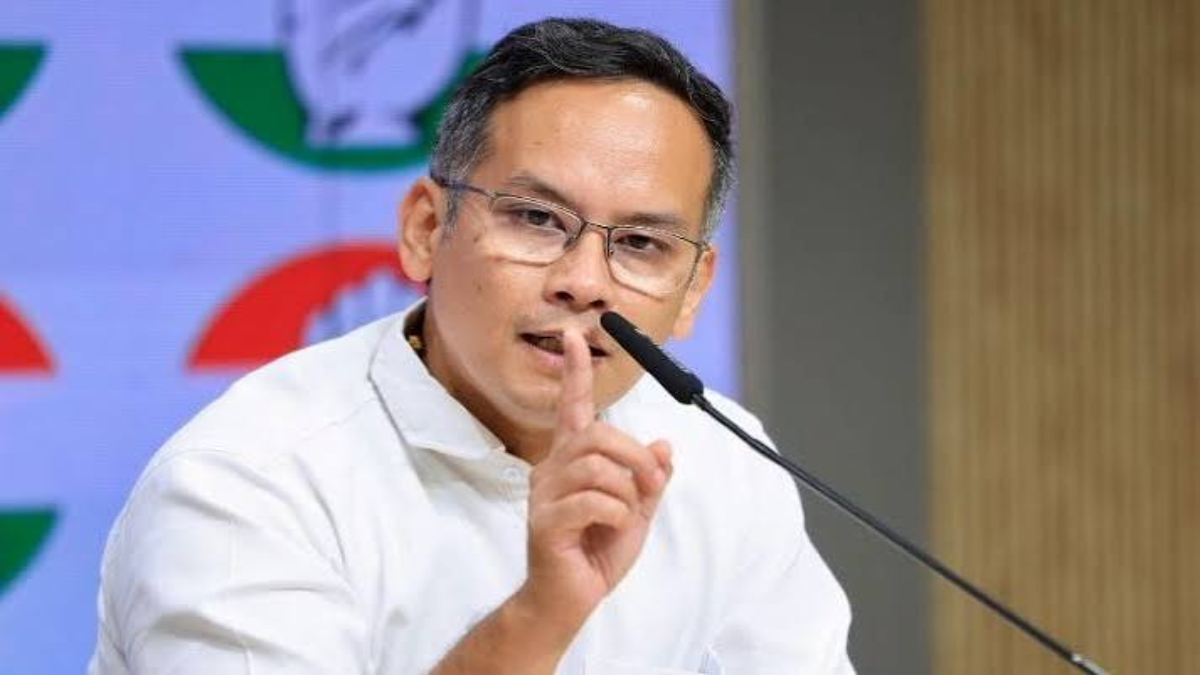
Form-6 changes have come under fresh scrutiny after Assam Congress president and Lok Sabha MP Gaurav Gogoi alleged a “massive irregularity” in the voter registration process. Speaking at an event in Dibrugarh, Gogoi questioned the legality of modifications to the form used for adding names to electoral rolls.
The Congress leader also referred to the Supreme Court’s position on the issue and claimed that Election Commission officials had raised concerns about the changes. However, his allegations regarding the legality of the modifications and the alleged admissions by officials have not been independently verified.
Form-6 changes raise questions over voter registration
Gogoi alleged that the modifications to Form-6 were unlawful and described the matter as a serious irregularity in the electoral process. His remarks have added to the Congress party’s continuing concerns about voter registration and the accuracy of electoral rolls.
Form-6 is the prescribed application used to seek inclusion in the electoral roll. It plays an important role in registering eligible citizens as voters and ensuring that electoral records remain accurate.
However, changes to the form and its use during voter list revision have prompted questions about the procedures followed by electoral authorities. The dispute has drawn attention to how officials handle applications, verify voter eligibility and maintain transparency.
Gogoi argued that the alleged irregularities could not be concealed. Nevertheless, his statements represent the opposition party’s position, and the available reporting does not independently establish that the changes violated election rules.
Form-6 changes and the Supreme Court’s position
The Supreme Court’s position has become an important part of the debate surrounding Form-6 changes. Gogoi claimed that the court had clarified it did not endorse the modifications to the voter registration form.
Separately, reports published in October 2026 said the Supreme Court had clarified that it had neither approved nor disapproved the legality of the newly introduced Form-6. The court’s reported position indicates that the legal validity of the form had not been settled through such an endorsement.
This distinction matters because the absence of judicial approval does not, by itself, establish that a procedure is illegal. Any conclusion about the validity of the changes would require consideration of the applicable rules and relevant judicial findings.
Therefore, Gogoi’s allegations should be distinguished from an established legal determination. The available report on his remarks did not independently verify his claims about the court or the alleged admissions by Election Commission officials.
Congress renews concerns over electoral rolls
The latest allegations come amid broader opposition concerns about the preparation and revision of voter lists in India. Congress leaders have repeatedly called for greater transparency in electoral processes and questioned whether voter records are being handled fairly.
In Assam, the party has previously raised concerns about electoral roll revision, including the submission of applications for deleting names. Such disputes have highlighted the importance of checking applications carefully and allowing eligible voters to seek corrections or inclusion through established procedures.
Moreover, electoral rolls directly affect citizens’ ability to exercise their voting rights. Accurate records help prevent duplicate entries and ineligible registrations, while proper verification can protect eligible voters from wrongful exclusion.
Consequently, allegations involving changes to registration procedures require clear explanations from the relevant authorities. Political claims alone cannot establish wrongdoing, but they can prompt legitimate questions about compliance, oversight and accountability.
Election Commission faces calls for clarity
Gogoi’s remarks have placed renewed focus on the Election Commission of India and its responsibility for maintaining reliable electoral rolls. The commission oversees electoral registration and the procedures used to add, correct or remove entries, subject to applicable election laws and rules.
The allegations concerning Form-6 changes raise questions about the authority under which the modifications were made and whether the process followed the required legal safeguards. Independent verification of these issues remains essential.
Additionally, a clear explanation of the changes, their legal basis and their practical implications could help voters understand the registration process. It could also help distinguish procedural concerns from allegations of deliberate wrongdoing.
The report covering Gogoi’s remarks did not independently confirm his claims about officials’ objections. Nor did it establish that the alleged changes had been declared unlawful by a competent authority.
Form-6 changes keep electoral transparency in focus
The controversy over Form-6 changes is likely to keep voter registration and electoral transparency in the public debate. For now, Gogoi’s allegations remain claims that require verification rather than established findings of illegality.
The central questions concern the legal basis for the modifications, the safeguards used during registration and the oversight provided by election authorities. Addressing these issues with documented explanations would help clarify the dispute.
Ultimately, credible electoral rolls depend on transparent procedures, accurate verification and public confidence. Any concerns about changes to voter registration forms must be examined through evidence and the applicable legal framework, rather than political allegations alone.