


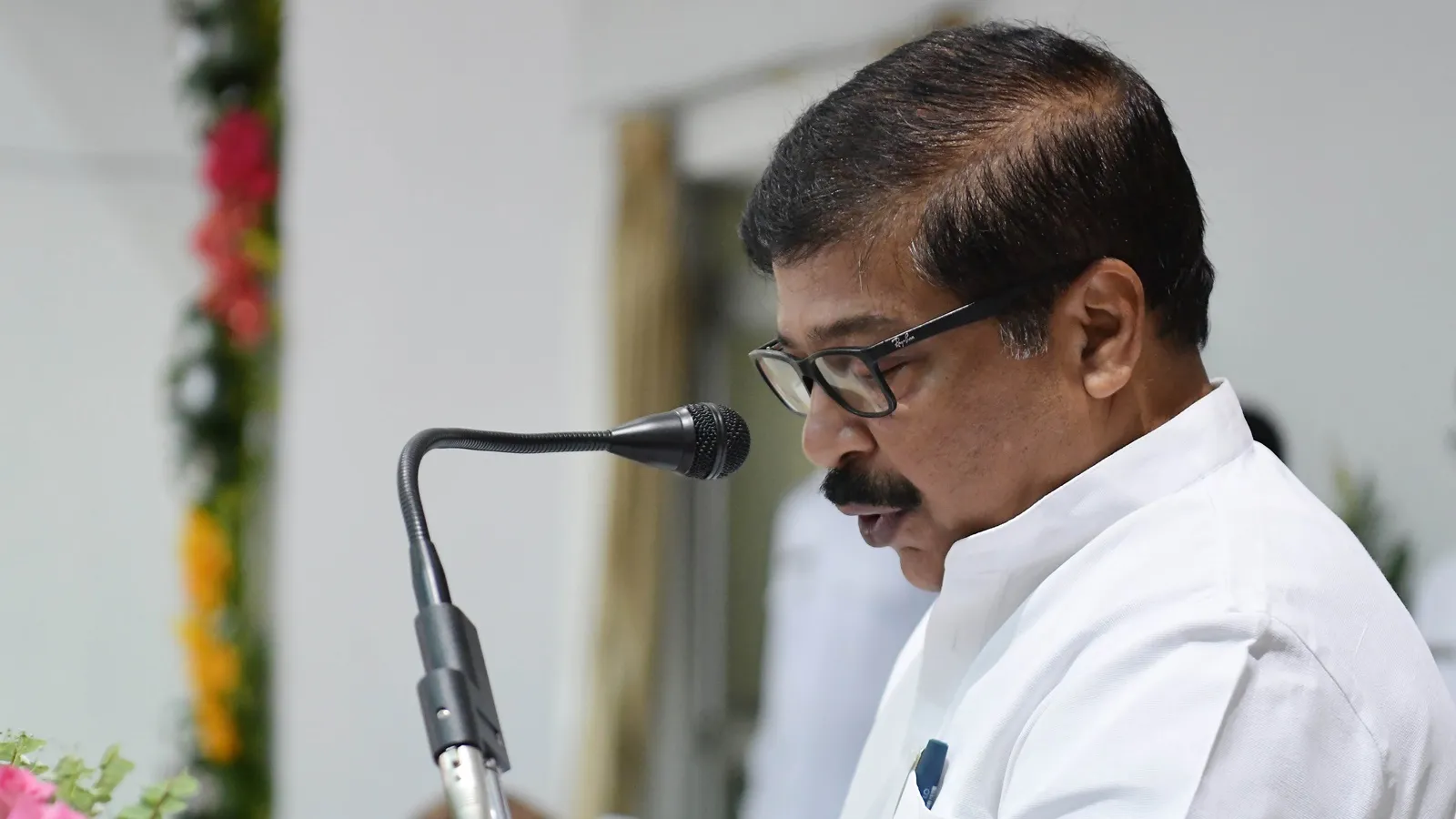
Gopal Roy meeting walkout from a West Tripura Zilla Parishad meeting on September 30 has drawn attention to concerns over punctuality and communication during official proceedings. Congress MLA Gopal Chandra Roy left the meeting after the scheduled proceedings did not begin on time. The meeting had been called to discuss several agenda items concerning the district. Roy said members should receive timely information when an official meeting faces a substantial delay.
Sikkim’s Soreng Ranks No. 1 in Health and Nutrition Under NITI Aayog Programme
Gopal Roy Meeting Walkout Follows Delayed Start
The West Tripura Zilla Parishad had scheduled its general meeting at the conference hall of the West District Magistrate’s office. According to reports, the meeting was initially scheduled to begin at 1 pm. However, the proceedings had not started at the appointed time. Roy, who serves as the Banamalipur MLA, had attended the meeting as an ex officio member.
The delay continued for a considerable period. One report stated that around two hours had passed without the meeting beginning because some members had not arrived. Another report said Roy later received information that the meeting would take place around 2 pm. Consequently, he decided to leave instead of waiting for the proceedings to begin.
Roy subsequently explained his decision to reporters. He said he could not continue waiting after the scheduled time had passed. Moreover, he questioned the absence of timely communication regarding the change in the meeting schedule.
The incident therefore centred not only on the delayed start but also on communication between meeting organisers and elected representatives. Official meetings often involve participants who have other scheduled responsibilities. Therefore, changes in timing can affect their ability to attend other engagements.
Roy’s departure became the main point of discussion surrounding the meeting. However, the available reports do not indicate that the meeting itself was cancelled. Instead, the controversy concerned the delay before the proceedings began and the communication surrounding that delay.
Why Meeting Punctuality Became a Key Issue
The Gopal Roy meeting walkout highlighted the importance of punctuality in district-level administrative meetings. Such meetings bring together elected representatives and officials to discuss matters that require coordination. Therefore, delays can create practical difficulties for participants.
Roy argued that members should receive advance information if officials expect a meeting to start significantly later than scheduled. He acknowledged that unforeseen circumstances or administrative reasons can sometimes cause delays. However, he maintained that participants should receive information about those changes rather than waiting without clarity.
According to Roy, a short delay may be understandable. Nevertheless, a substantial change in the expected start time creates inconvenience when members have other responsibilities. His comments placed particular emphasis on communication rather than simply the existence of a delay.
Furthermore, advance communication can help officials and elected representatives coordinate their schedules. When organisers provide updated information, participants can make informed decisions about whether to continue waiting or attend to other responsibilities.
The issue also reflects the wider importance of administrative coordination. District-level bodies regularly handle development and public-service matters. As a result, the effectiveness of their meetings depends partly on the participation of the concerned representatives and officials.
At the same time, the available reports do not provide an explanation from the Zilla Parishad regarding the specific reason for the delayed start. Therefore, the cause of the delay should not be assumed. The reported facts establish that the meeting did not begin at its scheduled time and that Roy left after waiting, while the reason for the delay remains unclear in the reports reviewed.
Gopal Roy Questions Communication Over Schedule Change
Roy’s criticism focused strongly on how the revised timing was communicated. He said that if a meeting needs to be postponed or delayed, organisers should inform all members about the change and, where possible, explain the reason.
The Congress MLA also indicated that he had other work to attend to. Therefore, waiting for an extended period without clear information affected his schedule. His remarks suggested that communication should accompany any significant change to an official programme.
Moreover, the episode raises a practical question about coordination in meetings involving elected representatives. Participants may travel to a designated venue based on an announced schedule. If the proceedings then move to a later time, timely communication can reduce unnecessary waiting.
Roy also said that he would think twice before accepting invitations to similar meetings in the future if such delays continued. That statement reflects his response to this particular incident rather than evidence of any broader decision by elected representatives.
The Congress legislator further criticised what he described as a wider work culture under the BJP-led state government. That characterization represents Roy’s political position and should be distinguished from the independently reported details of the meeting. The available reports do not establish that the delay resulted from a government policy or deliberate action.
The incident therefore has two separate dimensions. The first involves the factual question of when the meeting was scheduled and when it was expected to begin. The second involves Roy’s political interpretation of the administrative culture surrounding such delays.
Keeping those aspects separate provides a clearer understanding of the episode. The reported delay is a matter of the meeting schedule, while criticism of the government’s work culture is Roy’s stated view.
Wider Context of Gopal Roy’s Administrative Concerns
The Gopal Roy meeting walkout also comes shortly after the Congress MLA raised administrative issues in the Tripura Legislative Assembly. On September 1, Roy raised concerns about delays in filling vacant government posts and called for faster recruitment. He also discussed welfare-related issues and administrative transparency during the Assembly proceedings.
That earlier intervention shows that administrative efficiency has featured among issues Roy has raised publicly. However, the two incidents involve different institutions and circumstances. The Assembly discussion concerned government vacancies and other matters, while the September 30 incident concerned the timing and communication of a Zilla Parishad meeting.
Roy has also recently made other public political statements in Tripura. For example, on September 28, he commented on an incident involving former Chief Minister Manik Sarkar’s vehicle and criticised what he described as attempts to disrupt opposition programmes. Those comments were political statements made by Roy and do not establish the circumstances of the separate Zilla Parishad meeting.
The latest episode consequently adds another administrative issue to Roy’s recent public interventions. Nevertheless, the immediate matter remains specific: he attended a scheduled West Tripura Zilla Parishad meeting, waited for proceedings to begin, and then left after the start was delayed.
For the Zilla Parishad, the incident also underscores the importance of communicating schedule changes to participants. Clear updates can help elected members and officials manage their responsibilities while maintaining participation in district-level proceedings.
The meeting had reportedly been called to consider 11 agenda items. Therefore, the delay occurred in the context of a meeting with multiple matters scheduled for discussion. However, the available reports do not provide a complete account of the subsequent discussion of those agenda items.
Conclusion
The Gopal Roy meeting walkout followed a delayed start to the West Tripura Zilla Parishad meeting on September 30. Roy left after waiting beyond the scheduled 1 pm start and later questioned why members had not received timely information about the change in timing.
The incident highlights a straightforward administrative concern: punctuality and communication matter when elected representatives and officials attend scheduled meetings. At the same time, the available reports do not establish the reason for the delay or attribute it to any specific administrative decision.
Roy’s criticism of the state government’s work culture represents his political position. Meanwhile, the factual issue remains the delayed commencement of the meeting and his decision to leave before proceedings began.
Going forward, clear communication about changes to official schedules could help prevent similar disagreements and reduce inconvenience for participants.
FAQs
What happened in the Gopal Roy meeting walkout?
Congress MLA Gopal Chandra Roy left a West Tripura Zilla Parishad meeting after proceedings failed to begin at the scheduled time.
Why did Gopal Roy leave the Zilla Parishad meeting?
Roy said the meeting had been scheduled for 1 pm but had not started after a lengthy delay. He also questioned the lack of timely communication about the revised timing.
Who is Gopal Chandra Roy?
Gopal Chandra Roy is a Congress MLA from Banamalipur and attended the West Tripura Zilla Parishad meeting as an ex officio member.
What was the meeting supposed to discuss?
The Zilla Parishad meeting reportedly included 11 important agenda items for discussion. The available reports do not provide the complete outcome of those discussions.
What issue did Gopal Roy raise about official meetings?
Roy stressed that members should receive timely information when an official meeting faces a significant delay or schedule change. He said participants have other responsibilities and need clear communication to manage their time.