


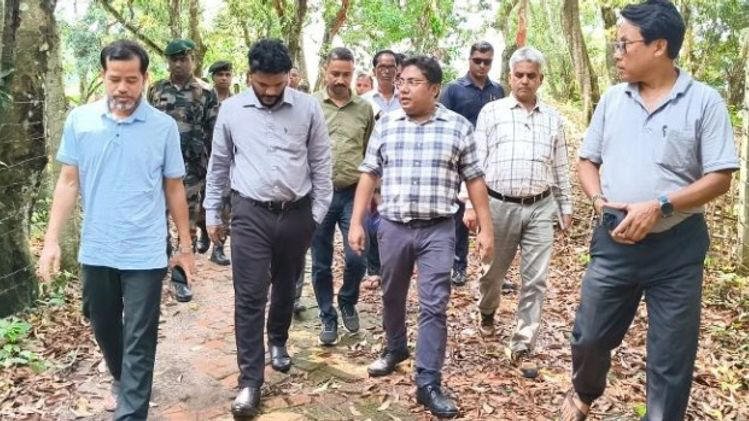
The Tripura government has taken an important step toward expanding healthcare and medical education in the state. A high-level government team recently visited South Tripura district to inspect potential sites for a proposed medical college under the Pradhan Mantri Jan Vikas Karyakram (PMJVK).
The proposed institution could become a major healthcare and educational hub for southern Tripura. Officials believe the project will improve access to quality medical education and strengthen healthcare services in the region.
The site inspection marks the beginning of a detailed approval process. Government departments will now assess the suitability of the identified locations before moving the proposal to higher authorities.
If approved, the institution will become Tripura’s fourth medical college. It will also represent a significant investment in the state’s healthcare infrastructure.
High-Level Team Visits Potential Locations
A delegation led by Welfare of Minorities Minister Sukla Charan Noatia visited South Tripura on June 15 to inspect land identified for the project. The team examined two locations, Debdaru and Kalsi, under the Jolaibari Rural Development Block.
Officials evaluated the sites to determine whether they could support a large medical institution. They reviewed factors such as land availability, accessibility, future expansion potential, and proximity to key services.
Selecting a suitable location is one of the most important stages of the project. A medical college requires extensive infrastructure, including academic buildings, laboratories, hostels, administrative blocks, and a teaching hospital.
The inspection team also assessed how each location could support future development. Officials aim to ensure that the chosen site meets both present and long-term requirements.
According to government sources, the visit provided valuable insights that will help authorities make informed decisions during the next stage of planning.
PMJVK Scheme to Fund the Initiative
The proposed medical college will come up under the Pradhan Mantri Jan Vikas Karyakram. The central government launched this programme to improve socio-economic infrastructure in selected regions across the country.
The scheme supports projects in education, healthcare, skill development, and community welfare. It focuses on creating facilities that improve quality of life and expand development opportunities.
Officials said the proposed medical college aligns closely with the programme’s objectives. The institution will enhance access to healthcare services while creating opportunities for students pursuing medical careers.
Moreover, the project will help address growing demand for healthcare infrastructure in Tripura. As the state’s population grows, the need for trained medical professionals and modern healthcare facilities continues to increase.
The government believes the PMJVK scheme provides an effective platform for implementing such a transformative project.
District Administration to Begin Assessment
Following the inspection, the district administration will begin a detailed evaluation of the identified sites. Officials will review technical, administrative, and logistical factors before recommending a location.
Secretary of the Welfare of Minorities Department, Nirmal Adhikari, outlined the next steps in the approval process. He said district authorities must first approve the land before the proposal moves forward.
After receiving district-level clearance, the proposal will go before a state-level committee headed by the Chief Secretary. The committee will review the findings and assess the overall viability of the project.
Once the committee grants approval, the government will submit the proposal to the Union Ministry of Minority Affairs. The ministry will then examine the project for final clearance.
Adhikari emphasized that each stage plays a crucial role in ensuring proper planning and implementation. The government wants to complete every requirement carefully before beginning construction.
Minister Highlights Importance of the Project
Minister Sukla Charan Noatia shared details of the inspection on social media following the visit. He said the government conducted a preliminary assessment of the proposed site at Debdaru under the Jolaibari Assembly constituency.
According to the minister, the project has the potential to transform healthcare and medical education in southern Tripura. He noted that local residents have long sought improved healthcare facilities and educational opportunities.
Noatia also stressed that the government remains committed to bringing major development projects to underserved regions. The proposed medical college forms part of that broader vision.
The minister expressed optimism about the project’s future. He said the state government will continue working closely with all stakeholders to move the proposal forward.
Furthermore, he noted that the institution could serve generations of students while improving healthcare access for thousands of families.
Positive Response from the Centre
The proposal has already received encouraging signals from the central government. Recently, Noatia discussed the medical college project with Union Minority Affairs Minister Kiren Rijiju during a visit to New Delhi.
According to the minister, the discussions produced a positive response regarding the proposal. This development has increased confidence among state officials about the project’s prospects.
Strong cooperation between the state and central governments often plays a vital role in the success of large infrastructure projects. Therefore, the positive engagement with the Union Ministry of Minority Affairs is an important development.
Officials believe continued collaboration can help accelerate approvals and facilitate smooth implementation once the project receives final clearance.
The government’s efforts also demonstrate its determination to secure major investments that can benefit people across Tripura.
Rs 250 Crore Project to Strengthen Healthcare
Officials estimate the cost of the proposed medical college at around Rs 250 crore. The Ministry of Minority Affairs is expected to provide funding under the PMJVK scheme.
The planned investment reflects the scale of the project. Modern medical colleges require advanced facilities and infrastructure to meet educational and healthcare standards.
The project will include classrooms, laboratories, libraries, hospital facilities, hostels, and residential quarters. Together, these facilities will create a comprehensive medical education ecosystem.
Apart from educational benefits, the investment will generate economic activity in the region. Construction work will create jobs, while future operations will support employment across multiple sectors.
Local businesses may also benefit from increased demand for services and supplies during both the construction and operational phases.
Expanding Medical Education Opportunities
Tripura currently has three medical colleges. These institutions play a key role in producing healthcare professionals and supporting medical services across the state.
However, demand for medical education continues to rise. Many aspiring students seek opportunities to pursue medical studies within the state.
The proposed college will help address this demand by increasing the number of available seats. It will also reduce pressure on existing institutions and create new pathways for aspiring doctors.
In addition, the institution will help develop a larger pool of trained healthcare professionals. This will strengthen the state’s healthcare system and improve service delivery in the long run.
Officials believe the college can emerge as an important center for medical learning in the Northeast region.
Better Healthcare for South Tripura
The project will deliver benefits beyond education. Medical colleges usually operate alongside teaching hospitals that provide advanced treatment and specialized care.
As a result, residents of South Tripura will gain improved access to healthcare services. Patients may no longer need to travel long distances for specialized treatment.
The institution can also support medical research, training programmes, and public health initiatives. These activities can contribute to better healthcare outcomes across the region.
The government views the project as a long-term investment in public welfare. It aims to strengthen healthcare infrastructure while improving educational opportunities for future generations.
If the proposal secures all necessary approvals, South Tripura could soon become home to a major medical institution. The project has the potential to transform healthcare delivery, expand medical education, and contribute significantly to the state’s development journey.