


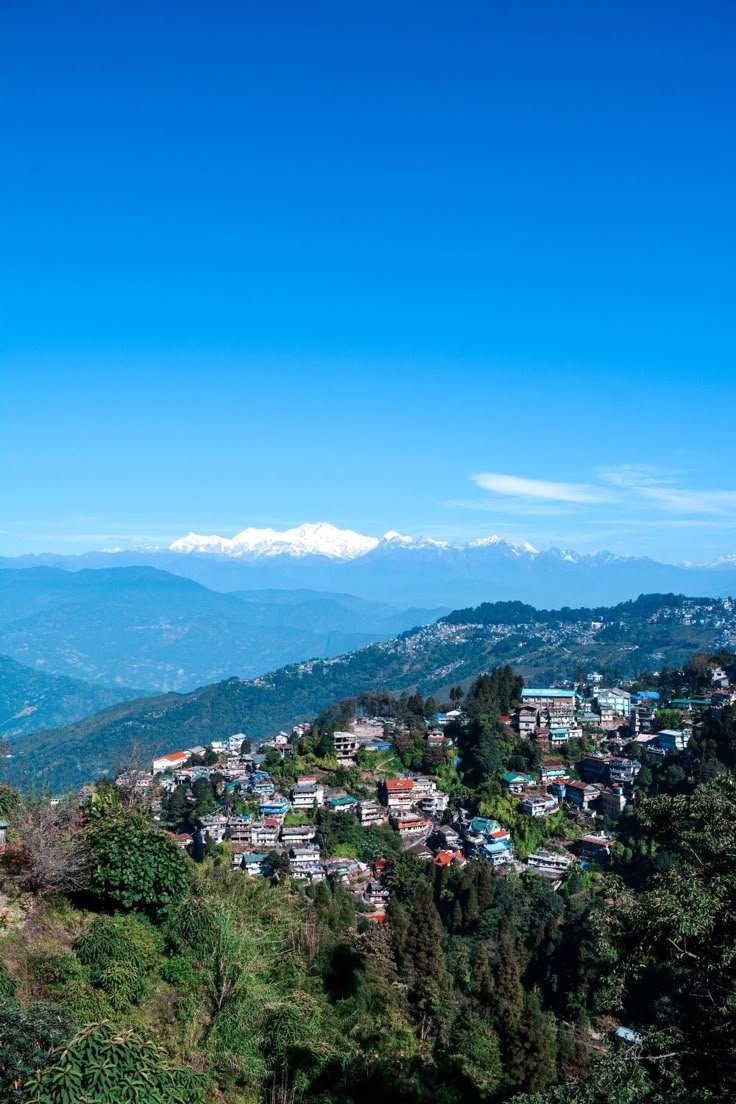
The GTA ₹950 crore loss due to heavy rains in the Darjeeling hills has sparked an urgent call for national disaster recognition. The Gorkhaland Territorial Administration (GTA) is pressing both the West Bengal and Central governments to declare the calamity a national disaster, enabling immediate relief and reconstruction support.
Massive Damage Across Darjeeling Hills
Continuous rain since early October caused widespread destruction across the GTA region, washing away bridges, roads, homes, and plantations. As a result, the GTA pegged the total losses at ₹950 crore, citing severe infrastructure and livelihood impacts.
According to the administration, more than 12,000 houses were damaged, half of which are beyond repair. Tea gardens, power lines, and vital rural roads also suffered immense losses.
Moreover, villages such as Dhar Gaon in Mirik and Seyok Godamdhura in Jorebunglow–Sukhiyapokhri were completely destroyed, forcing hundreds of families to relocate. Local authorities are working tirelessly to provide temporary shelters and relief materials to the displaced.
GTA ₹950 Crore Loss Assessment and Appeal
During an emergency meeting held at Gorkha Rangmancha Bhavan in Darjeeling, GTA Chairperson Anjul Chouhan announced the official damage estimate of ₹950 crore.
The GTA formed an 11-member Disaster Management Committee, led by Sabhasad Kamal Subba, to coordinate relief and reconstruction work across affected areas.
Importantly, the administration passed a resolution urging the West Bengal government to recognize the calamity as a state disaster. In addition, the GTA is appealing to the Centre for national disaster status, which would unlock crucial financial and logistical support from the National Disaster Response Fund (NDRF) and State Disaster Response Fund (SDRF).
Opposition leader Ajoy Edwards also announced that GTA members will contribute 18 months of salary to assist victims, showing rare bipartisan unity.
Why National Disaster Status Matters
Declaring the GTA ₹950 crore loss as a national disaster would accelerate relief delivery and rehabilitation. Once approved, it would ensure:
- Faster fund allocation from the NDRF
- Deployment of national relief teams and technical experts
- Reconstruction of vital public infrastructure such as schools, hospitals, and bridges
In addition, it would provide legal backing for rehabilitation schemes and housing support for families who lost everything in the floods and landslides.
According to officials, immediate funds are needed to rebuild primary health centers, village roads, and ICDS centers. Without central intervention, reconstruction could take years.
Rehabilitation and Resettlement Efforts Underway
The GTA, in coordination with the West Bengal government, is identifying land to resettle affected families. Plans include building new housing clusters equipped with health facilities, water supply, and electricity.
For instance, authorities are considering land plots in less vulnerable zones to prevent future displacement. Meanwhile, civil engineers and experts are evaluating hill slopes to design safer housing structures.
In addition to infrastructure rebuilding, the GTA is preparing livelihood recovery programs. Since many tea estates and orange orchards were destroyed, alternative employment and agricultural grants will be essential for economic recovery.
Reducing Future Risks in the Darjeeling Hills
The calamity has exposed the fragile ecological balance of the Darjeeling hills. Therefore, experts emphasize that rebuilding must integrate climate resilience. Steps such as slope stabilization, afforestation, and improved drainage systems are critical to preventing similar disasters in the future.
Furthermore, the GTA is collaborating with national agencies like the National Disaster Management Authority (NDMA) to develop early-warning systems. These measures can help communities prepare for sudden monsoon-triggered landslides and floods.
The focus now is on balancing development with ecological sustainability — ensuring that hill settlements grow without increasing disaster risk.
Coordination and Transparency Key to Success
Although relief operations are ongoing, coordination among multiple agencies remains vital. The GTA must work seamlessly with state departments, panchayats, and central teams. To maintain public trust, it also plans to publish weekly progress updates on fund utilization and rehabilitation timelines.
Moreover, community volunteers are being encouraged to join local oversight committees to ensure transparency and accountability in aid distribution. Public participation is seen as essential for equitable recovery.
Public and Political Support for GTA’s Appeal
The push for national disaster recognition has gained support from hill residents, NGOs, and political representatives. Many citizens have urged the Centre to respond swiftly, emphasizing that the Darjeeling hills form a sensitive link between West Bengal and Northeast India — both vulnerable to extreme weather events.
State and central cooperation will therefore set a precedent for handling future calamities in the Eastern Himalayan belt. If the GTA’s plea is accepted, it will pave the way for faster, fairer, and more resilient recovery models in other mountainous districts.
A Call to Action for Swift Recovery
The GTA ₹950 crore loss is more than a statistic — it represents families who lost homes, livelihoods, and hope. As relief continues, collective action from all levels of government is crucial.
Citizens, too, can support by contributing to relief funds or volunteering with local welfare drives. The hills of Darjeeling, known for their beauty and resilience, now need the same national attention that other disaster-hit regions have received.
Together, with accountability and compassion, the people and authorities can turn this tragedy into a model of coordinated recovery and long-term sustainability.
READ MORE: Northeast India: Cachar Birth Kits for Newborn Girls