


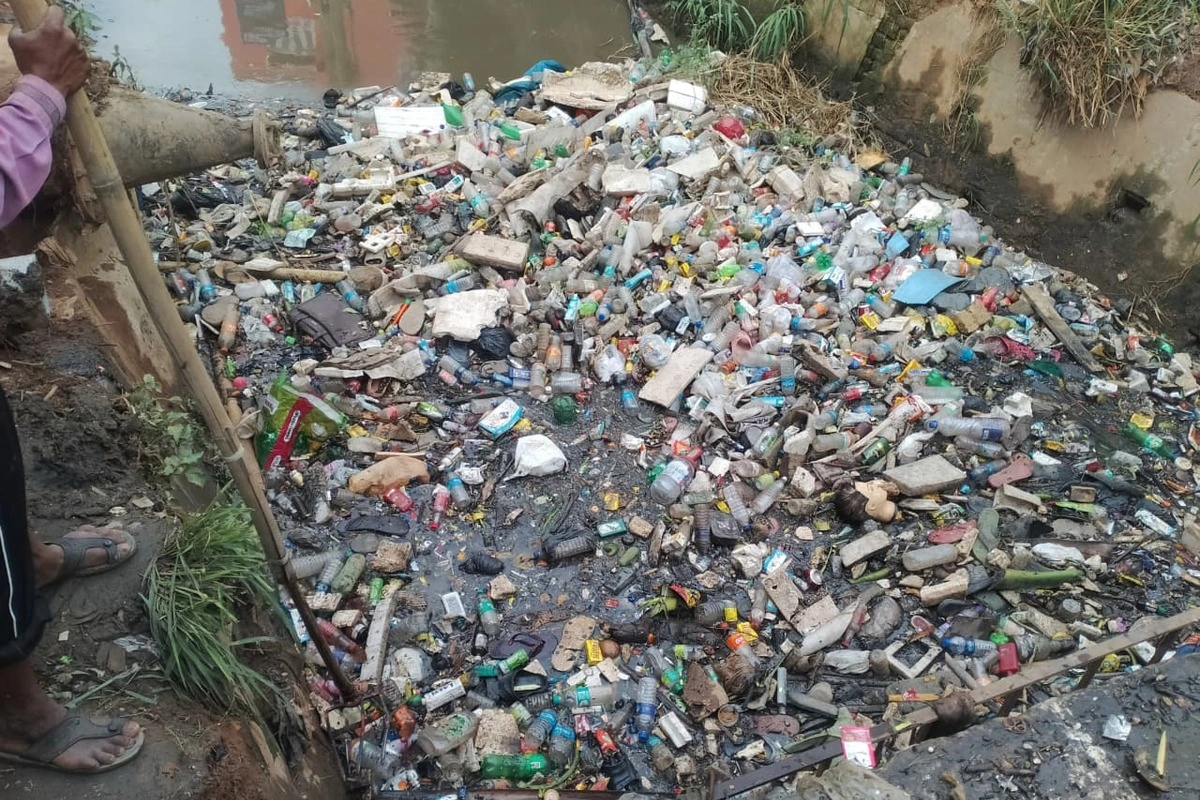
The Guwahati Municipal Corporation (GMC) has launched an intensive drive to clean and restore the city’s metropolitan drainage networks ahead of the peak monsoon season. The initiative aims to improve water flow, prevent urban flooding, and ensure better sanitation across the city. Moreover, officials stated that special teams have been deployed to remove silt, debris, and waste accumulated in major drains. The campaign highlights the importance of proactive measures in managing monsoon-related challenges.
Security Forces Rescue 115 Human Trafficking Victims From Assam; 9 Traffickers Arrested in Bihar
Large-Scale Drain Cleaning Drive Begins Across Guwahati
Guwahati municipal corporation initiates intensive cleaning of metropolitan drainage networks to enhance the efficiency of the city’s stormwater management system. Consequently, cleaning operations have been intensified in several critical areas prone to waterlogging.
Municipal teams are focusing on removing blockages and accumulated waste from major drainage channels. Moreover, heavy machinery and manual labor are being utilized to accelerate the process. Therefore, water flow during periods of heavy rainfall is expected to improve.
Officials emphasized that clogged drains contribute significantly to urban flooding. Furthermore, regular maintenance is essential to ensure uninterrupted drainage. As a result, preventive cleaning efforts have been prioritized.
Meanwhile, monitoring teams are inspecting vulnerable locations throughout the city. Consequently, additional resources are being allocated where necessary.
Focus on Reducing Urban Flooding Risks
Guwahati municipal corporation initiates intensive cleaning of metropolitan drainage networks with the objective of minimizing flood risks during the monsoon season. Moreover, several localities in the city are susceptible to water accumulation. Therefore, timely maintenance has become a key priority.
The cleaning drive includes desilting operations and removal of plastic waste from drainage systems. Consequently, blockages that hinder water movement are expected to decrease. Such measures are critical for maintaining urban infrastructure.
Furthermore, authorities are identifying sections that require structural improvements. As a result, long-term solutions for drainage management are being explored.
Meanwhile, residents have been urged to avoid dumping garbage into drains. Similarly, awareness campaigns on waste management are being strengthened.
Strengthening Public Health and Sanitation Measures
The Guwahati municipal corporation initiates intensive cleaning of metropolitan drainage networks to improve public health conditions. Moreover, stagnant water and blocked drains often contribute to sanitation-related concerns. Therefore, maintaining clean drainage channels is considered essential.
Regular cleaning operations are expected to reduce mosquito breeding and associated health risks. Consequently, public hygiene standards may improve. Such preventive measures support overall urban well-being.
Furthermore, sanitation workers are being provided with necessary equipment and safety gear. As a result, cleaning activities are being conducted more efficiently.
Meanwhile, coordination with health departments is being maintained. Similarly, civic agencies are working together to ensure effective implementation.
Long-Term Urban Infrastructure Management
The intensive cleaning drive forms part of broader efforts to strengthen Guwahati’s urban infrastructure. Moreover, effective drainage systems are essential for sustainable city development. Therefore, continuous maintenance is being emphasized.
Officials stated that periodic inspections and preventive maintenance will continue beyond the monsoon season. Consequently, infrastructure resilience is expected to improve over time. Such approaches help reduce recurring urban challenges.
Furthermore, smart monitoring technologies are being considered for future drainage management. As a result, response mechanisms could become more efficient.
Meanwhile, plans for upgrading aging drainage networks are under review. Similarly, investment in urban infrastructure is being prioritized.
Conclusion
Guwahati municipal corporation initiates intensive cleaning of metropolitan drainage networks, marking an important step toward improving flood preparedness and sanitation. Moreover, the initiative aims to ensure efficient water flow and reduce urban flooding risks.
The campaign is expected to strengthen public health and enhance the city’s infrastructure resilience. Therefore, it represents a proactive approach to addressing monsoon-related challenges.
As Guwahati municipal corporation initiates intensive cleaning of metropolitan drainage networks, it underscores the importance of regular maintenance and effective urban planning.
FAQs
1. What has the Guwahati Municipal Corporation launched?
An intensive drainage cleaning campaign.
2. Why is the drive being conducted?
To improve drainage and reduce flood risks.
3. What work is being carried out?
Desilting and removal of waste from drains.
4. How will residents benefit?
Through better sanitation and reduced waterlogging.
5. What is the long-term objective?
Strengthening urban infrastructure and resilience.