


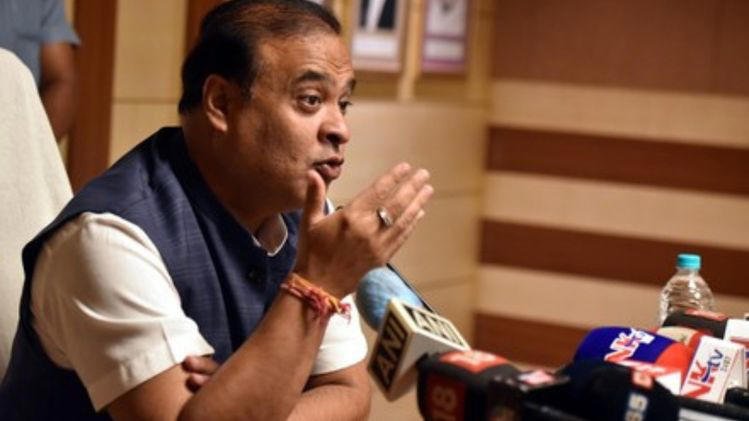
Assam Chief Minister Himanta Biswa Sarma has clarified that the recently proposed 130th Amendment Bill aims to strengthen democratic processes rather than destabilize governments. Addressing concerns raised by political opponents and the public, he emphasized that the legislation focuses on transparency, accountability, and participatory governance.
The CM stated that the 130th Amendment Bill seeks to reinforce democratic principles at various administrative levels. It is intended to correct procedural gaps, enhance electoral fairness, and provide mechanisms that ensure citizens’ voices are accurately represented in governance.
Read More: Assam Rifles Seizes Arms Cache in Mizoram
Background of the 130th Amendment Bill
The 130th Amendment Bill was introduced to address concerns regarding political accountability and administrative transparency. Experts have noted that the legislation incorporates reforms in governance structures, electoral processes, and legislative procedures.
Himanta Biswa Sarma pointed out that the bill is not a tool for political manipulation. Instead, it is a structured effort to empower elected representatives, strengthen institutions, and provide clarity in decision-making processes. By introducing this bill, the Assam government aims to prevent arbitrary actions and uphold the principles of democracy.
Objectives of the Bill
The primary objective of the 130th Amendment Bill is to ensure that democratic processes are robust and inclusive. The bill provides measures to:
- Promote transparency in administrative and legislative procedures.
- Prevent arbitrary dissolution or destabilization of governments.
- Enhance participation of citizens in governance and decision-making.
- Strengthen accountability mechanisms for elected officials.
Sarma emphasized that these measures are crucial for fostering political stability and trust between citizens and the government.
Addressing Misconceptions
Following the announcement of the bill, some political groups claimed that it could be used to topple governments or favor particular parties. The Chief Minister refuted these claims, asserting that the bill adheres strictly to constitutional provisions.
He stated, “The 130th Amendment Bill is designed to restore democratic processes, not undermine them. It is about creating clear rules and reinforcing accountability, not altering political equations.” Sarma highlighted that any interpretation suggesting otherwise is misleading and detracts from the bill’s genuine objectives.
Legal and Constitutional Compliance
According to the Chief Minister, the bill has been drafted in compliance with constitutional mandates and judicial precedents. Legal experts have reviewed the legislation to ensure it does not infringe upon fundamental rights or alter the balance of power between the executive and legislature.
The 130th Amendment Bill also proposes mechanisms for dispute resolution and conflict prevention. By clearly defining procedures, the bill reduces ambiguity in governance processes, making them more predictable and fair.
Strengthening Democratic Institutions
Sarma highlighted that the bill is part of a broader initiative to strengthen democratic institutions in Assam. By clarifying procedural rules and codifying governance practices, the government intends to reduce instances of arbitrary decision-making and political uncertainty.
He further emphasized that robust democratic institutions encourage civic participation and enhance public trust in governance. Citizens can expect more consistent policies, accountable leaders, and transparent decision-making as a result of these reforms.
Public and Political Engagement
The Chief Minister also called on political parties, civil society, and citizens to engage constructively with the 130th Amendment Bill. He encouraged open debate and feedback to ensure the legislation addresses concerns without compromising its primary objectives.
Community participation, Sarma noted, is critical for strengthening democracy. By involving citizens in discussions, the government can refine the bill’s provisions and make them more effective in practice.
Expected Impact of the Bill
The 130th Amendment Bill is expected to create several positive outcomes in Assam’s political and administrative landscape:
- Improved clarity in governance procedures.
- Reduced potential for arbitrary political maneuvers.
- Enhanced accountability of elected representatives.
- Greater citizen engagement in decision-making processes.
By achieving these outcomes, the bill will help create a more stable and transparent political environment. Officials believe this stability will encourage investment, socio-economic development, and broader participation in democratic processes.
Transparency and Accountability Measures
One key aspect of the 130th Amendment Bill is the emphasis on transparency. The legislation includes provisions for public disclosure of administrative decisions, monitoring mechanisms, and clear timelines for government actions.
Accountability mechanisms, including independent review committees and grievance redressal channels, are expected to prevent misuse of authority. The Chief Minister stressed that these measures are essential to ensure that the government functions efficiently while upholding democratic norms.
Political Stability and Governance
Sarma concluded that the 130th Amendment Bill is a step toward enhancing political stability. By codifying clear rules and procedural safeguards, it reduces opportunities for arbitrary interventions and strengthens institutional processes.
He reiterated that the bill does not target any political entity. Instead, it is a framework designed to ensure that governance in Assam remains democratic, transparent, and accountable. Citizens, officials, and political leaders alike stand to benefit from a more predictable and stable system.
The 130th Amendment Bill, as explained by Himanta Biswa Sarma, is intended to restore and reinforce democratic principles in Assam. By promoting transparency, strengthening accountability, and fostering citizen participation, the legislation seeks to create a stable political environment that supports fair governance.
Sarma’s clarification underscores that the bill is not a tool for political destabilization. Instead, it reflects the Assam government’s commitment to reinforcing democratic processes, institutional integrity, and participatory governance. Through careful implementation and public engagement, the 130th Amendment Bill aims to provide long-term benefits for the state, its citizens, and the democratic framework of Assam.
Read More: Sikkim DACS Signs MoU With ITBP for Local Farm Produce