


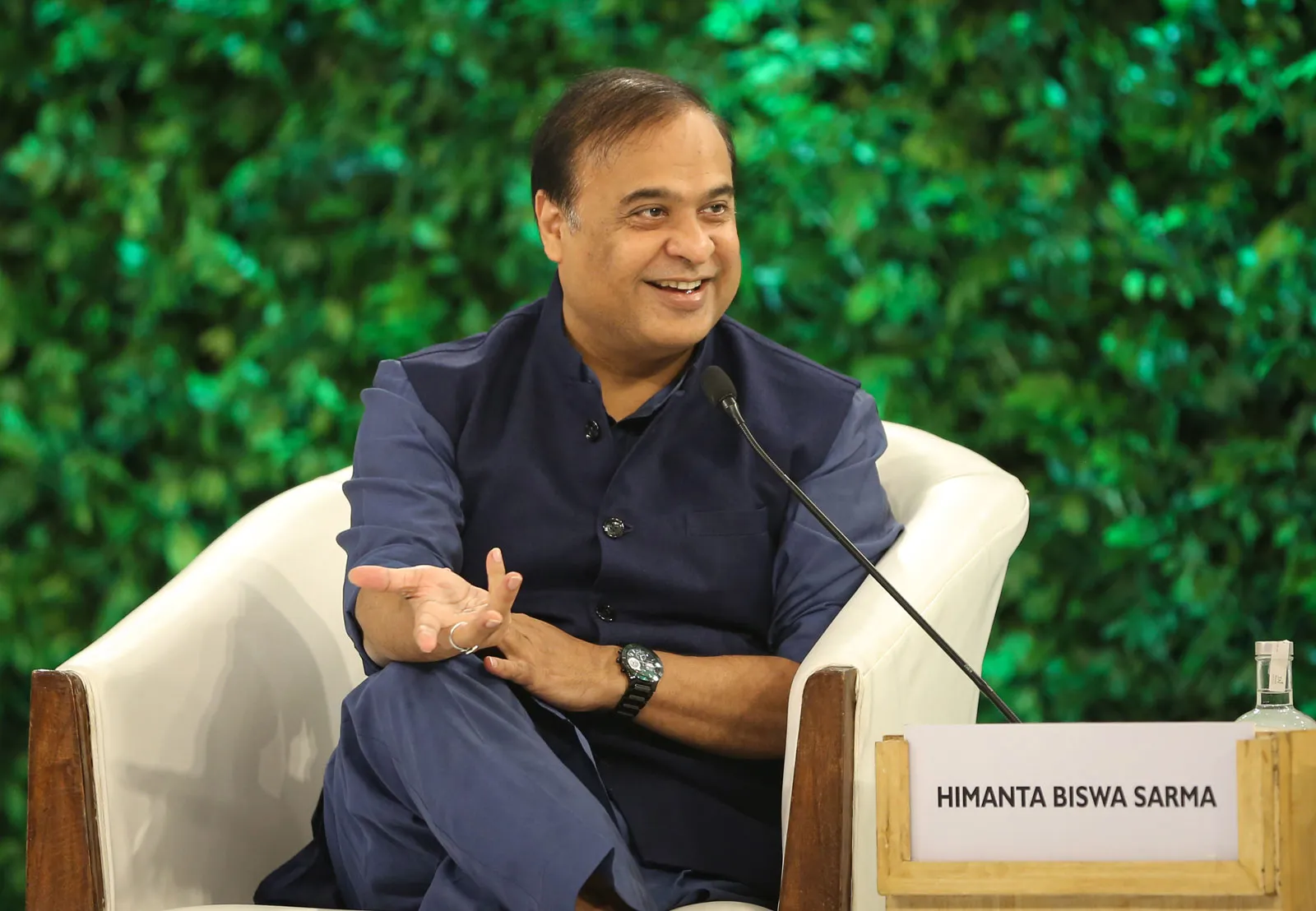
The Himanta Sarma 80-seat strategy has drawn political attention after Assam Chief Minister Himanta Biswa Sarma explained the electoral target his party pursued during the Assembly elections. Speaking about the campaign, Sarma said he faced significant pressure to secure more than 80 seats, describing the benchmark as important for achieving a decisive mandate and preventing political opponents from portraying the outcome as a moral victory. His remarks have sparked fresh discussion on electoral strategy and political messaging in Assam.
Assam Assembly Debates Leader of Opposition Status
Chief Minister Explains Electoral Target
The Himanta Sarma 80-seat strategy became a topic of debate after the Chief Minister discussed the reasoning behind the ambitious electoral goal. Consequently, he stated that crossing the 80-seat mark represented more than a numerical majority. According to Sarma, the target aimed to demonstrate a strong public mandate and avoid political narratives that could diminish the significance of the election result.
Meanwhile, he explained that party leaders remained focused on maximizing support across constituencies throughout the campaign. He also noted that the benchmark carried symbolic and political importance during the electoral contest.
The remarks offered insight into the party’s campaign planning.
Political Reactions Follow
The Himanta Sarma 80-seat strategy prompted reactions from political leaders and analysts. Supporters described the statement as a reflection of the importance political parties place on securing a decisive mandate. At the same time, opposition leaders maintained that election outcomes should ultimately be assessed by voters rather than political messaging.
Furthermore, analysts observed that parties often establish internal electoral targets to measure campaign performance and organizational strength. They also noted that ambitious seat goals can influence campaign strategies and resource allocation.
The discussion has continued across Assam’s political landscape.
Electoral Mandates Remain Central
The Himanta Sarma 80-seat strategy has renewed conversations about the significance of strong legislative majorities in parliamentary democracy. A decisive mandate can provide governments with greater legislative stability while allowing them to pursue policy priorities more effectively. Meanwhile, opposition parties continue emphasizing the importance of accountability, legislative scrutiny, and competitive elections.
Authorities and political observers agree that election results ultimately reflect the choices made by voters through the democratic process.
The debate extends beyond numbers to broader political strategy.
Focus Turns to Future Elections
The Himanta Sarma 80-seat strategy highlights how political parties set electoral objectives to strengthen campaign planning and public outreach. Therefore, political observers expect discussions on electoral benchmarks, governance, and development to remain prominent ahead of future elections.
Moreover, parties across the political spectrum are likely to continue refining their campaign strategies while seeking broader public support through policy initiatives and organizational efforts.
Conclusion
The Himanta Sarma 80-seat strategy has added a new dimension to political discussions in Assam after the Chief Minister explained the significance of surpassing the 80-seat mark during the Assembly elections. While he described the target as an important political benchmark, reactions from supporters, opposition leaders, and analysts have underscored the broader debate surrounding electoral mandates and campaign strategy. Meanwhile, the remarks continue to shape discussions on Assam’s evolving political landscape.
FAQs
1. Who spoke about the 80-seat benchmark?
Himanta Biswa Sarma discussed the electoral target during a public interaction.
2. What was the 80-seat benchmark?
It was an internal electoral target aimed at securing a decisive legislative majority.
3. What is the Himanta Sarma 80-seat strategy?
The Himanta Sarma 80-seat strategy refers to the Chief Minister’s explanation that his party sought to win more than 80 Assembly seats to demonstrate a strong electoral mandate.
4. Why did the Chief Minister consider the target important?
He said it would reinforce a decisive mandate and prevent political opponents from claiming a symbolic or moral victory.
5. How did political observers respond?
Analysts noted that parties often establish ambitious seat targets as part of their election planning and campaign strategy.
6. What broader issue does the discussion highlight?
It highlights the role of electoral mandates, political messaging, and campaign planning in democratic elections.