


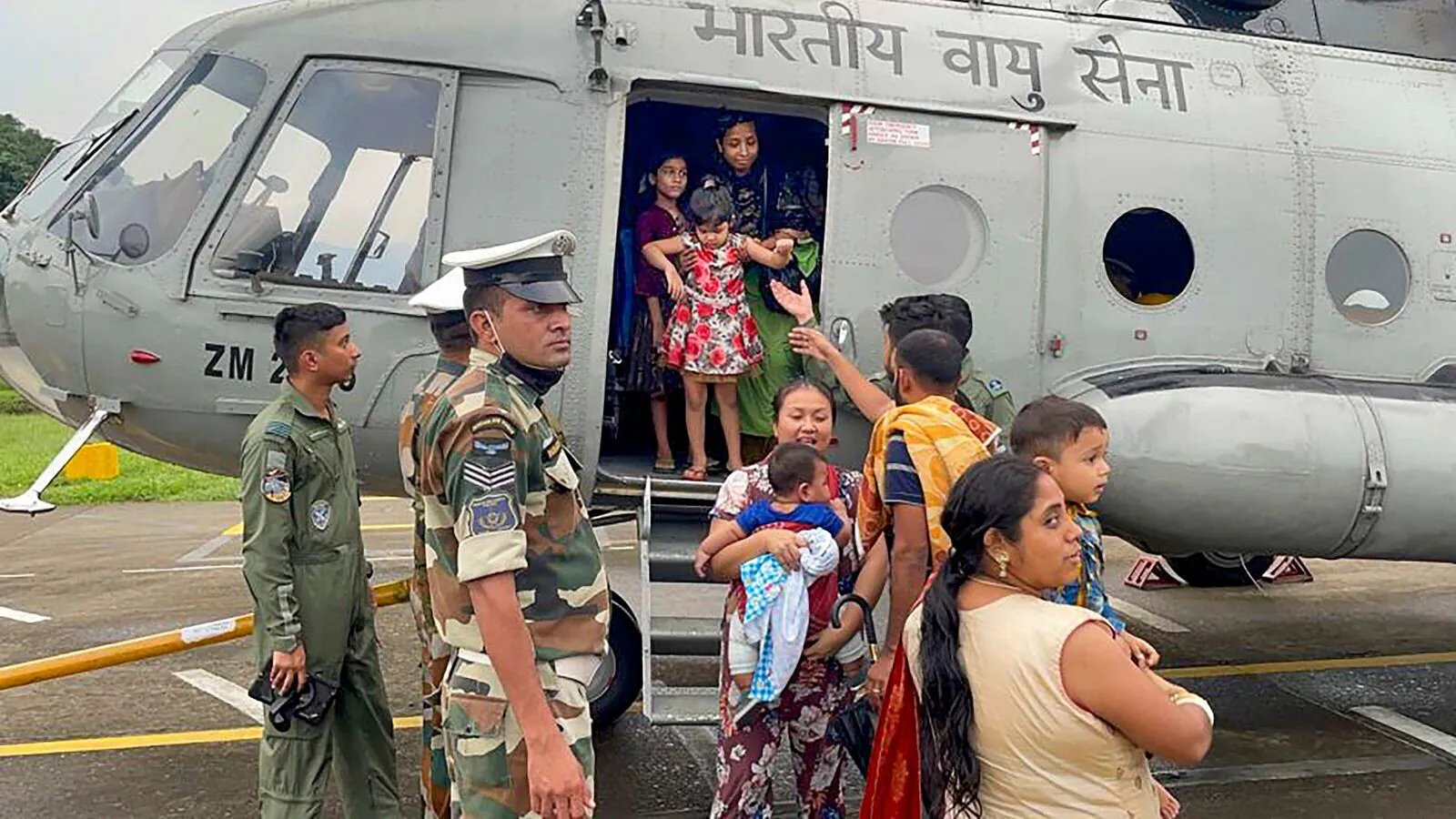
The IAF air rescue mission has been launched to assist remote communities in Arunachal Pradesh after severe monsoon conditions cut off road access to several rural areas. The Indian Air Force deployed transport helicopters to airlift stranded residents, deliver emergency supplies, and support ongoing disaster relief operations. Continuous rainfall, landslides, and damaged infrastructure have isolated multiple villages, prompting swift coordination between civil authorities, disaster management agencies, and defence forces. Officials continue monitoring weather conditions while prioritizing rescue efforts to ensure timely assistance reaches vulnerable populations across the affected districts.
NH-6 Mudslides Disrupt Regional Transport
Assam Government Deploys Full Administrative Response as Flood Situation Worsens in Dhemaji
Transport Helicopters Reach Isolated Communities
The IAF air rescue mission commenced after persistent rainfall and landslides severed road connectivity in parts of rural Arunachal Pradesh. Transport helicopters were deployed to access locations that remained unreachable by conventional ground vehicles due to blocked highways and unstable terrain.
Air Force crews carried out multiple sorties to evacuate vulnerable residents, including elderly people, children, and those requiring urgent medical attention. The helicopters also transported food, drinking water, medicines, and other essential relief materials to villages facing prolonged isolation.
Officials stated that aerial operations remain crucial in mountainous regions where difficult terrain and damaged infrastructure can significantly delay ground-based rescue efforts. Continuous assessments are guiding flight schedules based on weather conditions and operational priorities.
Joint Response Strengthens Relief Operations
The IAF air rescue mission is being conducted in close coordination with the state government, district administrations, disaster management authorities, and emergency response agencies. This coordinated approach has helped identify priority locations and streamline the delivery of humanitarian assistance.
Ground teams prepared landing zones where possible and assisted with unloading relief supplies after helicopters reached isolated settlements. Medical personnel accompanying relief operations also assessed residents requiring immediate healthcare and arranged evacuations for critical cases when necessary.
Authorities continue sharing real-time information on road conditions, weather forecasts, and community requirements to improve operational efficiency. Such coordination remains essential as the monsoon continues to affect transportation and communication across remote areas.
The combined efforts of civil and defence agencies have enabled faster response times while ensuring that isolated populations receive timely support during the emergency.
Monsoon Challenges Continue Across Arunachal Pradesh
The IAF air rescue mission comes as Arunachal Pradesh continues experiencing the effects of intense monsoon rainfall, including landslides, flash floods, and damaged transportation infrastructure. Several districts have reported disruptions to road connectivity, making aerial operations an important component of disaster response.
Emergency authorities remain on high alert as additional rainfall could trigger fresh landslides and further isolate remote communities. Weather conditions are being monitored continuously to ensure flight operations can be conducted safely while maintaining relief efforts.
Residents have been advised to follow official advisories, avoid unnecessary travel through landslide-prone areas, and report emergencies promptly to local authorities. Disaster response teams remain prepared to expand rescue operations if conditions worsen.
Officials are also assessing infrastructure damage to support long-term restoration once weather conditions improve.
Air Operations Support Ongoing Recovery
The IAF air rescue mission highlights the critical role of military aviation during natural disasters affecting remote and inaccessible regions. Transport helicopters provide rapid access to communities where damaged roads and difficult terrain prevent conventional relief operations.
Government agencies continue strengthening disaster preparedness through improved coordination, early warning systems, and emergency logistics. Air operations are expected to remain an important resource until normal road connectivity is restored across affected districts.
Experts emphasize that timely aerial assistance, efficient resource deployment, and close coordination among all responding agencies are essential for minimizing the humanitarian impact of severe monsoon events. Continued monitoring and preparedness will remain vital as the rainy season progresses.
Conclusion
The IAF air rescue mission has provided critical support to isolated communities in rural Arunachal Pradesh by delivering relief supplies and evacuating stranded residents following widespread monsoon disruptions. The deployment of transport helicopters demonstrates the importance of rapid aerial response when landslides and damaged infrastructure cut off ground access. As rescue and relief efforts continue, coordinated action between defence forces, civil authorities, and disaster management agencies will remain essential to protecting vulnerable communities and supporting recovery.
FAQs
1. Why did the Indian Air Force deploy helicopters?
The helicopters were deployed to rescue stranded residents and deliver relief supplies to isolated villages.
2. Which areas were affected by the emergency?
Several rural parts of Arunachal Pradesh were cut off due to landslides and heavy monsoon rainfall.
3. What is the IAF air rescue mission?
The IAF air rescue mission refers to the Indian Air Force’s helicopter operations to evacuate stranded people and transport emergency assistance to inaccessible communities.
4. What supplies were delivered during the operation?
Relief teams transported food, drinking water, medicines, and other essential emergency materials.
5. Which agencies are coordinating the rescue efforts?
The Indian Air Force is working with state authorities, district administrations, and disaster management agencies.
6. Why are air operations important during the monsoon?
They provide rapid access to remote locations when roads become blocked by floods or landslides.