


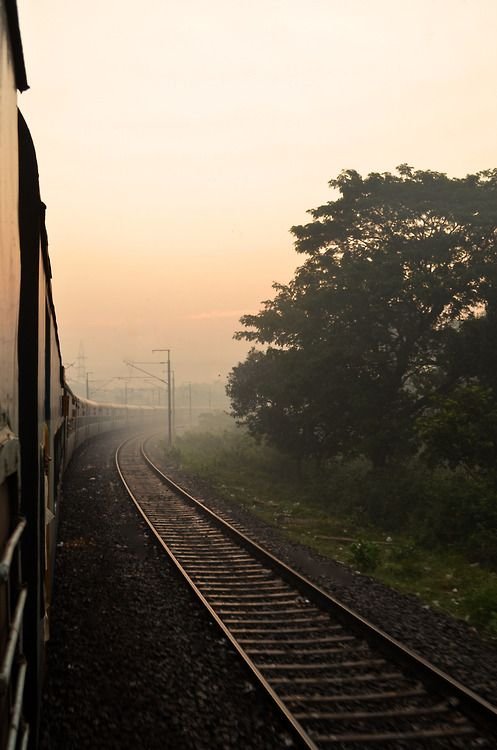
The Government of India has announced India–Bhutan rail links connecting Assam with Bhutan’s border towns. The two proposed routes — Kokrajhar to Gelephu and Banarhat to Samtse — aim to boost cross-border trade, tourism, and regional connectivity while strengthening bilateral ties.
Kokrajhar to Gelephu Rail Link
The first project will connect Kokrajhar in Assam to Gelephu in Bhutan’s Sarpang district. This corridor is expected to become a vital trade route, enabling faster movement of goods and passengers between the two nations.
Gelephu, located near Bhutan’s southern border, is emerging as a commercial hub. With the new railway, businesses in Northeast India will have better access to Bhutanese markets. In return, Bhutan can strengthen its exports of hydropower, agricultural products, and handicrafts to India.
According to officials, the survey for this route is already in progress. The rail link is expected to complement existing road connectivity and support regional trade agreements.
Banarhat to Samtse Rail Link
The second project will connect Banarhat in West Bengal’s Jalpaiguri district to Samtse in Bhutan. This line will serve both trade and tourism, as Samtse is a growing center for cultural tourism and education.
By linking the border towns, this rail corridor will reduce travel time and costs for people on both sides. It will also improve access to essential goods and services in remote Bhutanese regions.
Economic and Strategic Impact of India–Bhutan Rail Links
The India–Bhutan rail links are expected to unlock vast economic potential. Bhutan currently relies heavily on road networks for imports and exports, which often increases costs. With rail connectivity, trade can move more efficiently.
Tourism, a key driver of Bhutan’s economy, will also benefit. Indian tourists, who make up the largest share of foreign visitors to Bhutan, will have an easier and faster route into the Himalayan kingdom. Similarly, Bhutanese travelers can reach Indian cities more conveniently.
Strategic Importance of the Projects
Beyond trade and tourism, the projects carry strategic weight. The India–Bhutan border is part of a sensitive geopolitical zone, with both nations sharing deep cultural and political ties. Improved connectivity strengthens India’s “Neighbourhood First” policy and reinforces Bhutan’s role as a vital partner in the region.
Experts note that these projects align with India’s wider efforts to link the Northeast region with neighboring countries such as Nepal, Bangladesh, and Myanmar. The vision is to transform Northeast India into a gateway for trade with Southeast Asia.
Local Impact in Assam and West Bengal
For local communities in Assam and West Bengal, the new railway lines mean better job opportunities, easier access to markets, and a potential rise in tourism-related businesses. District administrations in Kokrajhar and Jalpaiguri have welcomed the announcement, saying it will create a long-term economic boost for the border regions.
Farmers in Assam’s Bodoland region, for example, may find new export opportunities in Bhutan for their agricultural products. Likewise, Bhutanese producers will have direct access to Indian wholesale markets.
Environmental and Social Considerations
Authorities from both countries have emphasized that the projects will be developed responsibly, with environmental safeguards. Since the proposed routes pass through ecologically sensitive areas, the surveys include impact assessments to minimize disruption to forests and wildlife.
Bhutan, known for its emphasis on sustainable development, has made clear that the projects must align with its commitment to preserving the environment.
Way Forward for India–Bhutan Rail Links
The announcement of the two India–Bhutan rail links signals a new era of connectivity between the two neighbors. While the projects are still in the survey stage, officials are optimistic about early approvals and phased implementation.
As work progresses, stakeholders in both India and Bhutan expect increased investment, stronger people-to-people ties, and long-term economic growth.
A Gateway to Growth
The India–Bhutan rail links from Kokrajhar to Gelephu and Banarhat to Samtse represent more than just infrastructure projects. They symbolize the shared vision of two nations committed to growth, sustainability, and cooperation.
As these projects move forward, businesses, travelers, and local communities stand to benefit from faster connectivity and deeper cross-border ties.
READ MORE: Mawjymbuin Cave Pilgrimage Allowed by Meghalaya High Court