


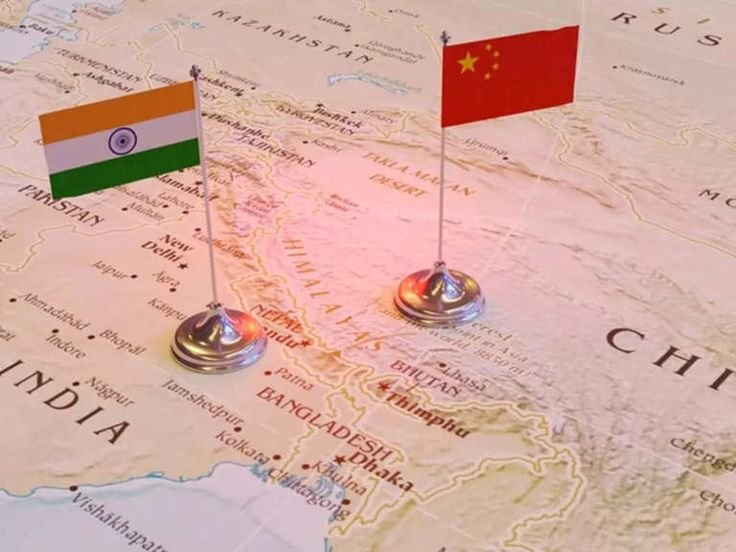
India resumes tourist visas for Chinese citizens after a five-year suspension, marking a significant diplomatic milestone. This decision, announced in November 2025, is expected to reshape bilateral ties and directly influence tourism flows into Northeast states like Arunachal Pradesh and Sikkim. Importantly, the move comes after years of strained relations following the 2020 Galwan Valley clash, signaling a new chapter in India-China engagement.
Diplomatic Significance of Visa Resumption
India Resumes Tourist Visas for Chinese Citizens: A Step Toward Normalization
Transitioning from confrontation to cooperation, India’s decision reflects a broader strategy to rebuild trust. By reopening tourist visas, India demonstrates its willingness to strengthen people-to-people exchanges, which often serve as the foundation for durable diplomatic ties.
Linked to Broader Cooperation
Furthermore, the visa resumption aligns with other recent initiatives:
- Direct passenger flights between India and China resumed in January 2025.
- The Kailash Mansarovar Yatra pilgrimage reopened in June 2025.
- Trade dialogues and cultural exchanges have gained momentum.
Together, these steps illustrate a deliberate effort to normalize relations and encourage mutual understanding.
Impact on Northeast India Tourism
Arunachal Pradesh Tourism and Chinese Visitors
Because Arunachal Pradesh shares a border with China, the resumption of visas could significantly increase tourist inflows. Visitors from China may be drawn to the region’s unique attractions, including:
- Tawang Monastery, one of the largest Buddhist monasteries in Asia.
- Scenic valleys and trekking routes that highlight the Himalayas.
- Adventure tourism opportunities such as river rafting and mountaineering.
Sikkim Tourism and Bilateral Ties
Similarly, Sikkim stands to benefit from renewed tourism. The state’s proximity to Tibet and its cultural similarities make it an attractive destination for Chinese travelers. Key highlights include:
- Nathula Pass, a historic trade route connecting India and Tibet.
- Organic farming initiatives that appeal to eco-conscious tourists.
- Vibrant Buddhist festivals and monasteries that resonate with cultural heritage.
Thus, both Arunachal Pradesh and Sikkim could experience a tourism boom, strengthening local economies and fostering cultural exchange.
Economic Benefits of Visa Resumption
Tourism Sector Gains
India resumes tourist visas for Chinese citizens at a time when the tourism industry is recovering from pandemic-related disruptions. Consequently, the influx of Chinese tourists could:
- Boost hotel occupancy rates in Northeast states.
- Increase demand for local handicrafts and cultural performances.
- Generate employment opportunities in hospitality and transport sectors.
Local Community Empowerment
Moreover, rural communities in Arunachal Pradesh and Sikkim may benefit directly. Homestays, eco-tourism projects, and small businesses can thrive as visitor numbers grow. This grassroots impact highlights how international diplomacy can translate into local prosperity.
Reactions from Stakeholders
Tourism Operators
Tour operators in Guwahati and Gangtok welcomed the announcement enthusiastically. They emphasized that Chinese tourists often seek spiritual, cultural, and adventure experiences, which Northeast India offers in abundance.
Local Businesses
Additionally, local artisans and entrepreneurs expressed optimism. Handicraft markets, traditional food stalls, and cultural festivals are expected to see higher participation and sales.
Government Initiatives Supporting Tourism
To ensure smooth implementation, the Indian government has introduced several measures:
- Digital Visa Processing: Simplifying applications for Chinese citizens.
- Expanded Tourism Infrastructure: Improving connectivity in border states.
- Security Protocols: Balancing openness with national security concerns.
These initiatives demonstrate India’s commitment to both welcoming tourists and safeguarding its borders.
Broader Impact on India-China Relations
India resumes tourist visas for Chinese citizens not only to boost tourism but also to signal a strategic shift. By encouraging cultural and economic exchanges, India aims to reduce mistrust and foster cooperation. In turn, this could pave the way for more robust trade agreements and collaborative projects in the future.
READ MORE: Assam 2026 Board Exam Schedule Class 10 and 12 Released
With tourist visas now available, travel agencies, hoteliers, and local communities in Arunachal Pradesh and Sikkim must prepare to welcome Chinese visitors. By offering authentic cultural experiences, sustainable tourism options, and improved infrastructure, India can strengthen both its economy and its diplomatic ties.
The resumption of tourist visas for Chinese citizens after five years is more than a diplomatic gesture. It represents a strategic effort to rebuild trust, expand tourism, and empower local communities in Northeast India. As Arunachal Pradesh and Sikkim prepare to welcome new visitors, the benefits will extend beyond economics, fostering cultural exchange and mutual understanding.
Ultimately, India resumes tourist visas for Chinese citizens not only to reopen borders but also to open hearts, creating opportunities for peace, prosperity, and partnership.