


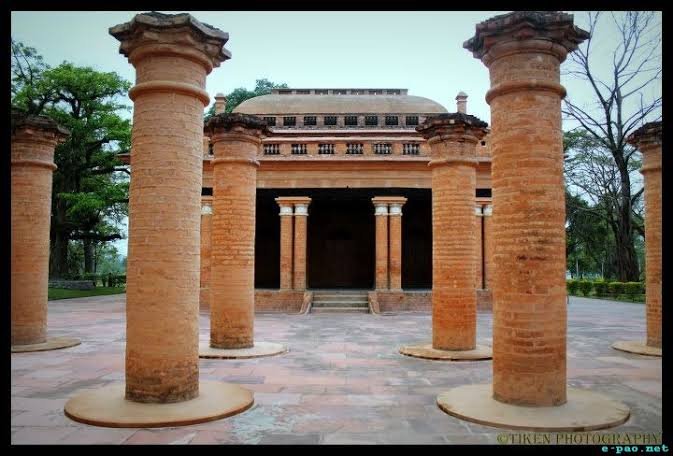
Kangla Fort remains one of Manipur’s most important historical and cultural landmarks, with its archaeological remains reflecting centuries of the region’s political and cultural history. Kangla Fort Structural Preservation continues to depend on careful documentation, archaeological research and conservation practices. Moreover, Manipur State Archaeology has continued excavation and conservation work at Kangla while maintaining the site under a dedicated heritage-management framework.
The preservation process focuses on protecting historic structures while retaining their archaeological character. Therefore, any intervention involving fortification walls and other heritage components requires technical assessment rather than routine construction methods. Existing conservation guidelines also stress investigation, documentation and specialist involvement before major conservation action.
Real Student Review Who is Earning 2 Lakhs in a Month, Once Studied from Manish Mehta Academy
Kangla Fort Structural Preservation Remains a Long-Term Heritage Priority
Kangla Fort occupies a central place in Manipur’s history and heritage landscape. The Manipur State Archaeology Department has responsibility for preserving, protecting, exploring and excavating historical monuments and archaeological remains across the state. Furthermore, the Kangla Fort Board oversees the administration and development of the fort under the Kangla Fort Act.
The preservation programme therefore involves more than repairing visible walls. Archaeological conservation must consider the historical layers of the site, construction materials, structural conditions and evidence that may remain beneath the surface. Consequently, specialists need to understand the original fabric before deciding how to stabilize or restore a particular section.
The Kangla Fort Archaeological Park Concept Development Plan has long emphasized investigation as a foundation for conservation. It recommends historical research, systematic documentation, photographs, drawings and inventories before intervention. In addition, the conservation guide calls for specialist teams to examine structures and their internal and external surfaces.
This approach becomes particularly important for fortification walls because their condition can reflect both structural and environmental factors. Therefore, preservation work must distinguish between original historic fabric, later alterations and areas that require stabilization.
Archaeological Investigation Supports Careful Wall Conservation
The archaeological record at Kangla continues to attract research attention. According to Manipur’s 2025–26 Art and Culture administrative report, archaeological excavation at Kangla has continued from 2007 to the present. The report also states that State Archaeology maintains a functional conservation laboratory with trained personnel for basic preservation and restoration treatment.
Moreover, the department says it carries out conservation and restoration according to conservation principles and ethics, including the use of traditional techniques and materials intended to retain the aesthetic character of monuments. This approach is significant because inappropriate modern interventions can permanently alter historic structures.
Earlier conservation documentation for Kangla also identified the need for detailed examination of archaeological evidence associated with the fort walls. The conservation guide specifically discusses prospecting to identify the extent of the citadel and remnants of fort walls that may remain beneath the ground.
Such investigation can provide information about construction sequences and historical changes. Additionally, limited excavation can help answer specific archaeological questions when it forms part of an approved conservation strategy. The existing guidelines emphasize that excavation should follow scientific standards because archaeological intervention can cause irreversible changes to heritage fabric.
Therefore, archaeological review should not be viewed simply as a preliminary formality. Instead, it provides evidence that can guide decisions about stabilization, repair, reconstruction and future management.
Inner Fortifications Require Evidence-Based Conservation
The inner fortifications represent an important part of Kangla’s physical heritage. Historical government records have previously documented restoration work involving the inner fort wall of the Citadel, including work on the southern side. That earlier programme formed part of the broader restoration and development activities undertaken under the Kangla Fort Board.
However, conservation standards require authorities to treat each heritage component according to its individual condition and historical value. Consequently, a damaged wall cannot automatically receive the same treatment as another structure within the complex.
The Kangla conservation guide recommends thorough physical observation of structures before conservation action. Specialists should examine architectural details, construction characteristics, environmental problems and possible alterations. Furthermore, documentation should establish the condition of a structure before work begins.
This evidence-based approach can help prevent unnecessary replacement of historic materials. Similarly, it can reduce the risk of introducing incompatible materials or techniques that could affect the appearance and durability of the fortifications.
The Concept Development Plan also stresses that conservation projects should maintain the cultural values of the entire site. Its management framework calls for regular monitoring to assess the condition of heritage components, review conservation work and determine future action.
Accordingly, preservation of Kangla’s internal fortifications should be understood as an ongoing process rather than a single repair project. Regular inspection, archaeological documentation and technical assessment can help authorities respond to deterioration while retaining the historic character of the site.
Multiple Agencies Shape Kangla’s Conservation Framework
Kangla’s heritage management involves several government institutions rather than a single department working independently. The Kangla Fort Board was constituted by the Manipur Government to oversee administration and development, while the Department of Art and Culture plays a central role in archaeological preservation. Other departments, including Horticulture and Soil Conservation, Environment and Forest authorities, also contribute to management of the wider landscape.
Furthermore, the Concept Development Plan proposed an integrated management structure involving archaeology, planning, infrastructure and other relevant agencies. The plan recognized that Kangla contains diverse conservation requirements that can require expertise beyond the capacity of one department.
The broader legal framework also influences heritage protection. At the state level, Manipur State Archaeology operates under the Manipur Ancient and Historical Monuments and Archaeological Sites and Remains Act, 1976 and its rules. The department reports that it has protected 65 monuments and sites of historical, archaeological or artistic interest under the state framework.
At the national level, the Ministry of Culture has also outlined statutory safeguards under the Ancient Monuments and Archaeological Sites and Remains Act for protected monuments. The National Monuments Authority manages permissions and heritage controls relating to prohibited and regulated areas around centrally protected monuments.
Therefore, heritage conservation at a historically sensitive site such as Kangla requires coordination between archaeological, cultural, environmental and administrative authorities. Such coordination can help ensure that restoration does not compromise archaeological evidence or the visual integrity of the fort.
Conclusion
Kangla Fort Structural Preservation remains closely linked to archaeological investigation, scientific documentation and careful conservation practices. While current official material confirms continuing excavation, conservation capacity and long-term management of Kangla, a specific newly announced ministry-led review of the internal fortification walls could not be independently confirmed from the latest available official sources.
Nevertheless, the established conservation framework provides a clear basis for protecting the fort’s historic fabric. Moreover, specialist investigation, condition assessment and controlled intervention can help authorities preserve important archaeological evidence while addressing structural concerns. Consequently, future conservation work will remain important not only for the physical stability of Kangla but also for maintaining its historical and cultural significance.
FAQs
What is the focus of Kangla Fort Structural Preservation?
The focus is on protecting Kangla’s historic and archaeological fabric through research, documentation, conservation and appropriate restoration practices.
Who manages Kangla Fort?
The Kangla Fort Board oversees the administration and development of the fort, while Manipur State Archaeology and other government departments contribute to its preservation and management.
Is archaeological research still taking place at Kangla?
Yes. Manipur’s 2025–26 Art and Culture administrative report states that excavation at Kangla has continued from 2007 to the present.
Why are specialist investigations important for fortification walls?
Specialist investigations help identify historic materials, structural conditions, alterations and archaeological evidence before conservation work begins.
Why does Kangla require long-term conservation planning?
Kangla contains multiple historical layers and different types of heritage resources. Therefore, continuous monitoring and coordinated conservation can help protect its archaeological and cultural value over time.