


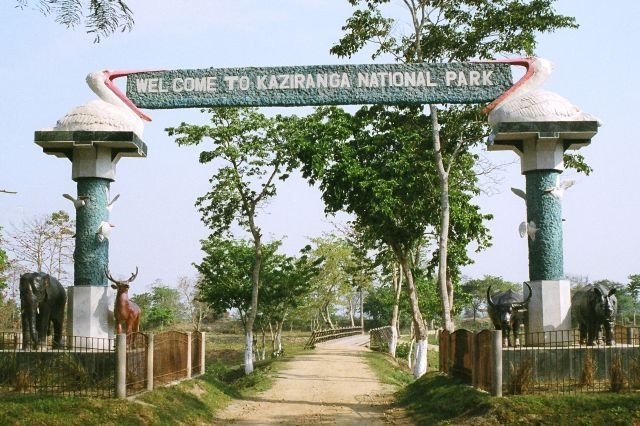
Environmentalists have sounded the alarm over a proposed 35-km elevated corridor near Kaziranga National Park, cautioning that the project could lead to irreversible ecological damage. The project, promoted as a connectivity solution, has sparked heated debate between development advocates and conservationists.
Kaziranga National Park: A World Heritage Treasure
Kaziranga National Park in Assam is celebrated worldwide for its one-horned rhinoceros population and diverse ecosystems. Moreover, it is a UNESCO World Heritage Site, recognized for its wetlands, grasslands, and migratory bird habitats.
Environmentalists argue that the proposed Kaziranga corridor project threatens this delicate balance by fragmenting habitats and disrupting migratory routes essential for elephants, tigers, and rhinos.
The Proposed 35-km Corridor
The project involves constructing a 35-km elevated road along National Highway 715, skirting the southern edge of Kaziranga. Assam’s government has promoted it as a solution to traffic congestion and a way to improve connectivity.
However, activists warn that prolonged construction, heavy machinery, and increased vehicular movement could:
- Block wildlife corridors used during seasonal floods.
- Increase roadkill incidents involving endangered species.
- Alter hydrology of wetlands crucial for migratory birds.
- Violate UNESCO conservation guidelines for World Heritage Sites.
Environmentalists Petition UNESCO
On November 19, 2025, activist Prasanta Kumar Saikia petitioned UNESCO to send a fact‑finding team to assess the ecological risks. He urged the UN body to request India and Assam to suspend the project until a comprehensive evaluation is completed.
Saikia emphasized that the corridor contradicts the World Heritage Convention, which requires strict protection of ecological corridors. As a result, UNESCO may review Kaziranga’s conservation status if the project proceeds.
Why the Corridor Matters
Kaziranga is not just a national treasure—it is a global biodiversity hotspot. The park shelters:
- 35 major mammals, including 15 threatened species.
- The largest population of Indian one‑horned rhinos.
- Endemic bird species critical to ecological balance.
Any disruption to this ecosystem could have cascading effects on species survival, tourism, and local livelihoods.
Development vs. Conservation
Supporters argue the corridor will boost regional connectivity and tourism. Yet environmentalists counter that development must not come at the cost of ecology.
In addition, experts suggest alternatives such as rerouting highways, investing in eco-friendly transport, or building wildlife overpasses. These solutions could balance infrastructure needs with ecological preservation.
Community and Tourism Impact
Kaziranga attracts thousands of tourists annually, contributing significantly to Assam’s economy. Environmentalists warn that ecological damage could:
- Reduce wildlife sightings, impacting tourism revenue.
- Harm local communities dependent on eco‑tourism.
- Trigger long‑term biodiversity loss that cannot be reversed.
Legal and Policy Dimensions
The project falls under India’s Environmental Impact Assessment (EIA) framework. Activists insist that authorities must conduct a transparent review. Moreover, they argue that ignoring ecological concerns could lead to litigation under the Wildlife Protection Act and the Environment Protection Act.
Consequently, legal experts believe the corridor may face judicial scrutiny if construction begins without adequate safeguards.
READ MORE: Police Seized Meth and Heroin Worth ₹41.64 Crore
The debate over the Kaziranga corridor ecological damage is a reminder that infrastructure projects must balance development with conservation.
Support sustainable solutions by raising awareness, engaging in public consultations, and urging policymakers to prioritize ecological integrity. Protecting Kaziranga today ensures that future generations can continue to marvel at its wildlife and landscapes.