


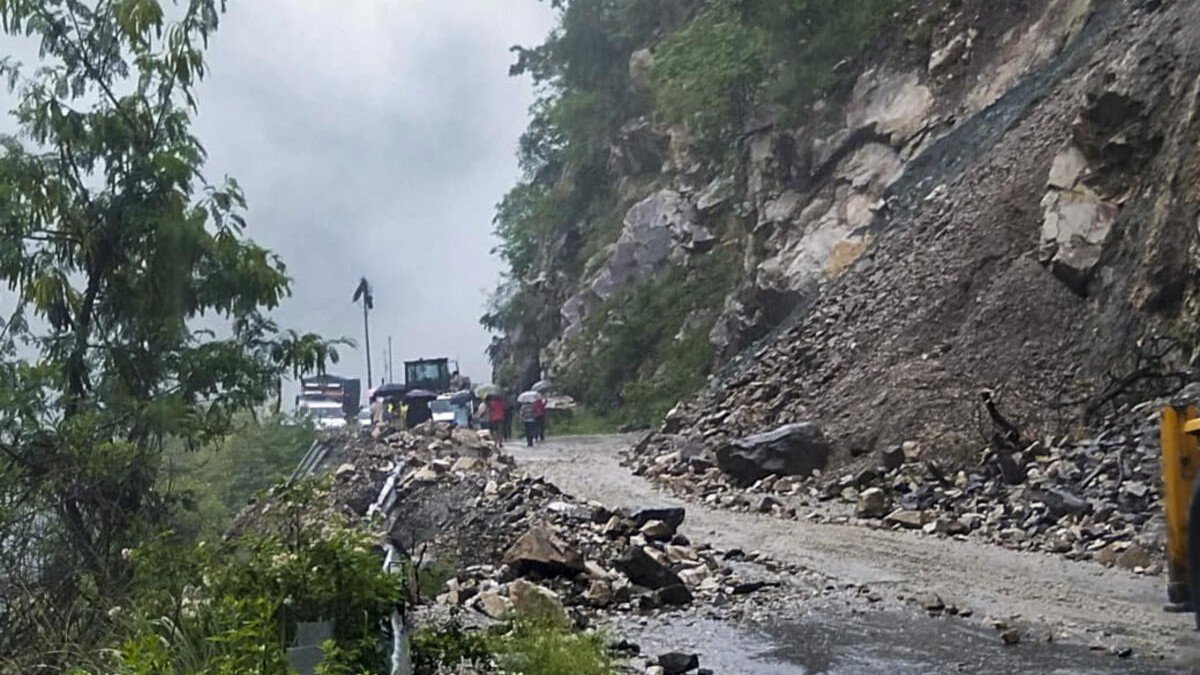
The Landslide Clearance Squads have been positioned on standby as heavy machinery units remain deployed along the Baramura hill ranges. The precautionary measure aims to ensure a rapid response to any landslide incidents and maintain road connectivity during the active monsoon season.
SDRF Standby Deployment Strengthened as Response Teams Stationed Across Vulnerable River Pockets
Landslide Clearance Squads Deployed Across Baramura Hill Ranges
The Landslide Clearance Squads have been stationed along the Baramura hill ranges with heavy machinery kept on standby. According to the available information, the deployment is intended to support immediate clearance operations if landslides obstruct roads or disrupt transportation.
The Baramura hill ranges are an important transportation corridor, making uninterrupted connectivity a priority during periods of heavy rainfall. Moreover, keeping machinery ready enables authorities to respond quickly whenever debris blocks roadways.
Monsoon conditions often increase the possibility of landslides in hilly terrain. Consequently, engineering and disaster management teams continue monitoring vulnerable locations throughout the rainy season.
Although heavy machinery has been positioned, officials have not reported any major landslide clearance operation linked to the current deployment.
Landslide Clearance Squads Strengthen Emergency Preparedness
The Landslide Clearance Squads form part of the state’s broader preparedness strategy for managing weather-related disruptions. Heavy equipment such as excavators, loaders, and earthmoving machinery allows response teams to remove debris efficiently whenever road access is affected.
Furthermore, advance deployment reduces response time during emergencies and helps restore transportation links more quickly. Timely clearance operations also improve access for emergency services and essential supplies.
Government agencies regularly identify landslide-prone locations before positioning machinery and personnel. Therefore, strategic deployment remains an important component of monsoon preparedness.
The latest arrangement reflects continued coordination between engineering departments and disaster management authorities.
Landslide Clearance Squads Support Road Connectivity
The Landslide Clearance Squads are intended to safeguard transportation routes passing through the Baramura hill ranges. Reliable road connectivity remains essential for passenger travel, commercial transportation, and emergency response operations.
Moreover, rapid debris removal minimizes traffic disruptions and supports the safe movement of vehicles during adverse weather conditions. Engineering teams also inspect affected areas to determine whether additional stabilization work is necessary.
Continuous monitoring of hillside conditions allows authorities to identify potential risks before they escalate. Consequently, standby machinery plays an important role in maintaining operational readiness throughout the monsoon.
According to the available information, the deployment remains a precautionary measure rather than a response to an active emergency.
Landslide Clearance Squads Reflect Proactive Infrastructure Management
The Landslide Clearance Squads highlight the importance of proactive infrastructure management during the monsoon season. Preparedness measures help authorities address potential road blockages before they cause prolonged transportation disruptions.
Furthermore, coordinated planning between public works departments, disaster response agencies, and local administrations strengthens the overall emergency response framework. Such cooperation improves the efficiency of clearance operations whenever weather-related incidents occur.
Preventive deployment also supports public safety by ensuring that trained personnel and specialized equipment remain available in vulnerable locations. Therefore, continuous preparedness remains a key element of infrastructure resilience.
The current standby arrangement demonstrates the administration’s focus on maintaining safe and accessible transportation corridors despite seasonal weather challenges.
Conclusion
The Landslide Clearance Squads have been placed on standby along the Baramura hill ranges, with heavy machinery positioned to respond quickly to any landslide incidents. The precautionary deployment reflects the state’s continued efforts to strengthen emergency preparedness during the monsoon season.
Furthermore, maintaining equipment and trained personnel near vulnerable locations improves response time and helps preserve critical road connectivity. Regular monitoring of hillside conditions also supports effective infrastructure management and public safety.
Overall, the Landslide Clearance Squads demonstrate a proactive approach to disaster preparedness and transportation resilience. As weather conditions continue to evolve, authorities are expected to maintain close surveillance and provide further official updates whenever necessary.
FAQs
1. What are the Landslide Clearance Squads?
The Squads are response teams supported by heavy machinery stationed along the Baramura hill ranges to clear landslides if required.
2. Why were heavy machinery units deployed?
According to the available information, the machinery has been kept on standby to enable rapid clearance of landslides and maintain road connectivity.
3. Where have the Landslide Clearance Squads been stationed?
The squads and heavy machinery units have been positioned along the Baramura hill ranges.
4. Have authorities reported any active landslide clearance operations?
Based on the available information, no active clearance operations have been reported, and the deployment remains precautionary.
5. Why is standby deployment important during the monsoon?
Standby deployment allows authorities to respond quickly to landslides, reduce traffic disruptions, and improve public safety during periods of heavy rainfall.