


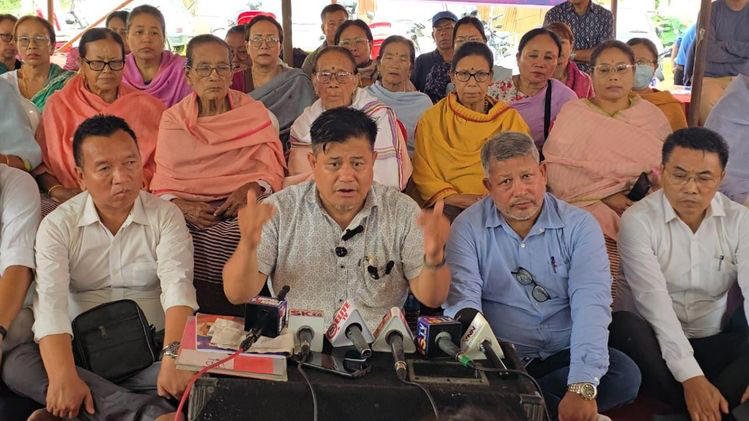
The Campaign for Just and Fair Delimitation (JFD) has called a two-day general strike across Manipur over the government’s decision to begin the Census exercise without first updating the National Register of Citizens (NRC).
The statewide shutdown began at midnight on August 17 and will continue for 48 hours. The organisation wants the government to update the NRC before carrying out the Census in the state. It says the step would help address concerns over demographic changes and identify people it believes may have entered Manipur illegally.
The protest comes as the house-listing phase of Census 2027 begins across the country. The self-enumeration process started on August 17, while the main house-listing operation in Manipur will take place from September 1 to September 30.
JFD Demands NRC Before Census
The JFD has made its position clear: “NRC first, Census later.” The organisation argues that the government should first update the NRC in Manipur and then conduct the population census.
The group says accurate population data remains particularly important for Manipur because of demographic concerns and the state’s prolonged ethnic conflict.
According to the JFD, conducting the Census without first updating the NRC could create problems while determining the state’s actual population. It has therefore asked both the state and central governments to address the issue before proceeding with the census process.
The organisation had earlier submitted memorandums to several authorities, including the Prime Minister, Union Home Minister, Registrar General of India and Manipur Chief Minister. It had also warned that failure to address the demand would lead to stronger protests.
Two-Day Shutdown Begins Across Manipur
The JFD called the strike from midnight on August 17. The shutdown followed several weeks of protests, public meetings and appeals to the government.
The organisation’s student wing has played an active role in the campaign. Students have participated in rallies and demonstrations demanding an NRC update before the Census.
The protests have also received support from sections of civil society. The campaign has focused heavily on the need to establish what supporters describe as accurate demographic data before any major population exercise takes place.
The strike is intended to increase pressure on the government. The JFD has warned that it could intensify its agitation if authorities do not respond to its demands.
Students Join the NRC Campaign
Students have become an important part of the latest agitation.
The JFD Student Wing organised a rally in Imphal before announcing the two-day strike. Protesters carried placards and raised slogans demanding that authorities update the NRC before starting the Census.
The student campaign reflects wider concerns among sections of Manipur’s civil society about demographic changes. Organisers say the issue affects the state’s future political representation, administrative planning and protection of indigenous interests.
Student participation has also helped bring the issue into public debate. The campaign now extends beyond political organisations and includes youth and civil-society groups.
Earlier Rally Raised Similar Demands
The latest strike follows a series of earlier demonstrations.
In June, 14 civil society organisations organised a large public rally in Imphal. The protesters demanded an update of the 1951 NRC before the Census exercise.
The rally brought together people from different communities. Participants carried messages such as “No NRC Update, No Census” and called for the government to address concerns over illegal immigration before conducting the population count.
The participating organisations also adopted resolutions calling for greater involvement of Manipur’s government in the process. They urged the Centre to include a representative or agency from the state in the committee examining demographic changes.
The June mobilisation showed that the NRC issue had already become a significant public concern before the latest strike.
Concerns Over Demographic Changes
Supporters of the NRC demand say Manipur has experienced significant demographic changes over the years. They argue that the government needs reliable records to determine the state’s population accurately.
Civil-society organisations have also raised concerns about alleged illegal immigration from Myanmar and other areas. They believe an updated NRC could help distinguish citizens from people who entered the state without valid documents.
However, these remain political and civil-society claims. Allegations about illegal immigration require verification through official investigations and legally established procedures.
The debate has become particularly sensitive because of the ethnic conflict that has affected Manipur since May 2023.
Census Begins Amid Ongoing Conflict
The timing of the Census has added another layer to the controversy.
Manipur continues to deal with the effects of the ethnic violence that began in 2023. Large numbers of people remain displaced, and many families have not returned to their original homes.
Civil-society groups argue that conducting a population exercise before displaced residents return could produce incomplete or distorted data. They want the government to address displacement and citizenship-related concerns before finalising the state’s demographic figures.
The Centre, however, has proceeded with the scheduled Census process. The house-listing phase began on August 17, with the main operation scheduled for September.
Demands Extend to Delimitation
The NRC demand also connects with concerns about future delimitation.
The JFD describes itself as a campaign focused on ensuring what it considers a fair delimitation process in Manipur. Supporters argue that accurate population data will influence future political representation.
They therefore want the government to establish reliable demographic information before carrying out exercises that could affect electoral constituencies.
The organisation’s campaign has linked the NRC, Census and delimitation issues. It argues that each process should use accurate and properly verified population information.
Government Faces Pressure to Respond
The latest strike places additional pressure on the Manipur government and the Centre.
The JFD has repeatedly asked authorities to take a clear position on updating the NRC. In July, the organisation warned of stronger agitation if the government did not respond before the Census preparations advanced.
The state government now has to balance these demands with the Centre’s nationwide Census schedule.
The issue also requires careful handling because of Manipur’s fragile security environment. Any prolonged shutdown could affect transport, businesses, schools and daily life.
Calls for Dialogue Continue
Several civil-society organisations have already approached government authorities over the NRC issue.
In July, representatives of 14 organisations met Governor Ajay Kumar Bhalla and urged him to support the implementation of an NRC in Manipur before Census 2027. They argued that the process would help safeguard the interests of the state’s indigenous population.
The organisations have also sought greater consultation between the Centre, state government and local communities.
A dialogue-based approach could help address concerns while allowing authorities to explain the legal and administrative framework governing the Census and citizenship verification.
Manipur’s Census Debate Intensifies
The two-day strike marks another escalation in the campaign for an NRC before the Census in Manipur. The Manipur NRC before Census 2026 demand has gained momentum through student protests, civil-society rallies and public meetings.
The JFD argues that an updated NRC should come first. It says the government must establish reliable citizenship and demographic records before completing the population exercise.
The Centre has proceeded with the Census schedule, while the main house-listing operation in Manipur is due to take place in September.
For Manipur, the issue now goes beyond a routine population count. It has become connected to questions of citizenship, demographic change, political representation and indigenous rights.
The immediate challenge for the authorities will be to manage the ongoing agitation peacefully while ensuring that the Census process continues according to law. A transparent dialogue between the government and civil-society groups could prove important in preventing the issue from creating further tension in the state.