


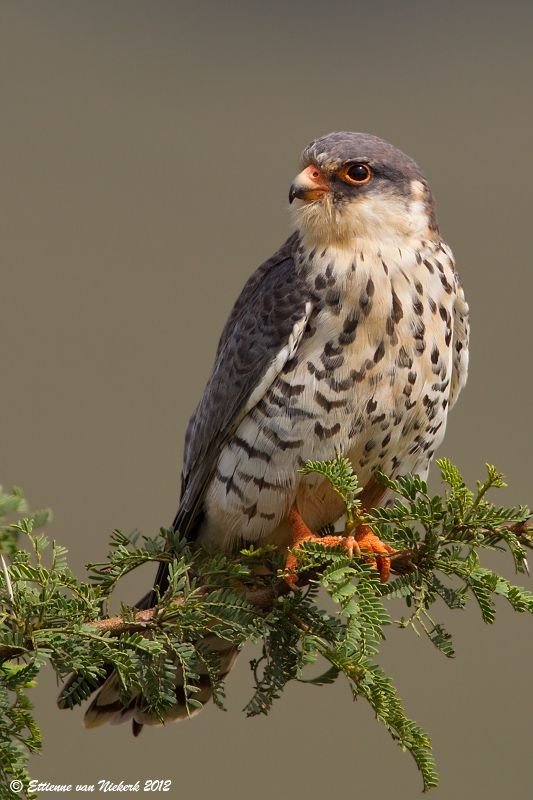
The Manipur government has officially announced a statewide hunting ban to safeguard the Amur falcons, which have begun arriving for their annual roosting season. These migratory birds, often called the “world’s longest-flying raptors,” travel thousands of kilometers from Siberia and China to Africa, halting in the Northeast Indian region during their migration.
The decision, confirmed by state forest officials on October 15, 2025, underscores Manipur’s growing focus on biodiversity protection and eco-tourism.
Protecting Nature’s Sky Wanderers
The Amur falcons typically start arriving in Tamenglong district of Manipur around mid-October and remain until November. They roost in large numbers on trees along rivers and forest belts, making them vulnerable to hunters.
In previous years, the birds faced significant threats due to illegal trapping and hunting. However, extensive awareness campaigns and community participation have since transformed local attitudes.
According to the Forest Department of Manipur, the ban prohibits hunting, trapping, or trading of Amur falcons under the Wildlife (Protection) Act, 1972. Officials have deployed patrol teams and installed drone surveillance to monitor roosting areas and prevent poaching incidents.
“The protection of Amur falcons reflects Manipur’s respect for migratory species and our shared ecological responsibility,” said Principal Chief Conservator of Forests (Wildlife), K. Angami, in a public statement.
Tamenglong Leads the Conservation Effort
Community Involvement Strengthens the Ban
Tamenglong district has long been the focal point of Amur falcon conservation in India. Local groups like the Rainforest Club Tamenglong and the Tamenglong Forest Division have worked with the Bombay Natural History Society (BNHS) and the Indian Bird Conservation Network to raise awareness.
This year, forest officials have engaged village chiefs and youth volunteers to ensure strict adherence to the ban. Awareness drives in schools and community halls have been organized to emphasize the ecological and tourism benefits of falcon protection.
“People now take pride in being guardians of the Amur falcon. It’s a remarkable shift from hunting to hosting,” said Asha Kamei, a local conservationist.
India’s Broader Wildlife Commitment
The Manipur hunting ban on Amur falcons aligns with India’s wider commitment to wildlife preservation and migratory bird protection under the Convention on the Conservation of Migratory Species (CMS). The Ministry of Environment, Forest and Climate Change (MoEFCC) has also encouraged other Northeastern states like Nagaland and Assam to strengthen similar initiatives.
In Nagaland’s Pangti village, a previous hunting hotspot, community-driven conservation transformed the area into a birdwatching paradise, drawing international attention.
Tourism Potential and Ecological Impact
Eco-Tourism Gains Momentum
With the successful protection of Amur falcons over the past few years, Manipur is seeing a rise in eco-tourism. Birdwatchers and photographers from across India visit Tamenglong and Tamenglong–Noney forest belts during the migration season. The birds’ synchronized flights at dawn and dusk have become a spectacular natural attraction.
The Manipur Tourism Department has also begun promoting “Falcon Watching Trails,” encouraging sustainable tourism that benefits local communities while ensuring zero ecological disturbance.
“The Amur falcons are not just guests; they are ambassadors of our natural heritage,” said Chief Minister N. Biren Singh, reiterating the government’s resolve to protect wildlife and promote responsible tourism.
Enforcement and Monitoring Measures
The Manipur Forest Department, in coordination with district administrations, has strengthened enforcement under the hunting ban. Key measures include:
- Deployment of anti-poaching patrols across roosting zones.
- Setting up of watchtowers and drone surveillance for monitoring bird movements.
- Coordination with local police and wildlife NGOs for real-time reporting of violations.
- Awareness camps under the Save Amur Falcon Campaign 2025.
Officials have warned that violators will face strict penalties under wildlife protection laws, including imprisonment and fines.
Regional Cooperation Strengthens the Initiative
The Amur falcon migration corridor covers parts of Nagaland, Manipur, Mizoram, and Assam, making interstate cooperation essential. Forest departments from these states have begun sharing real-time data on roosting and flight patterns.
The Indian Bird Conservation Network, along with the United Nations Environment Programme (UNEP), is supporting joint research projects on tracking the birds’ migration routes using satellite tags.
A Model for Conservation Success
Manipur’s proactive stance on falcon protection serves as a model of community-driven conservation. From once being victims of mass hunting to becoming symbols of coexistence, the Amur falcons represent how awareness and collective effort can restore ecological balance.
As the birds soar once again across Manipur’s skies this October, the government’s firm action ensures their safe passage — a commitment that strengthens both India’s conservation legacy and the Northeast’s eco-conscious identity.
READ MORE: 5 accused in Zubeen Garg’s death remanded to judicial custody