


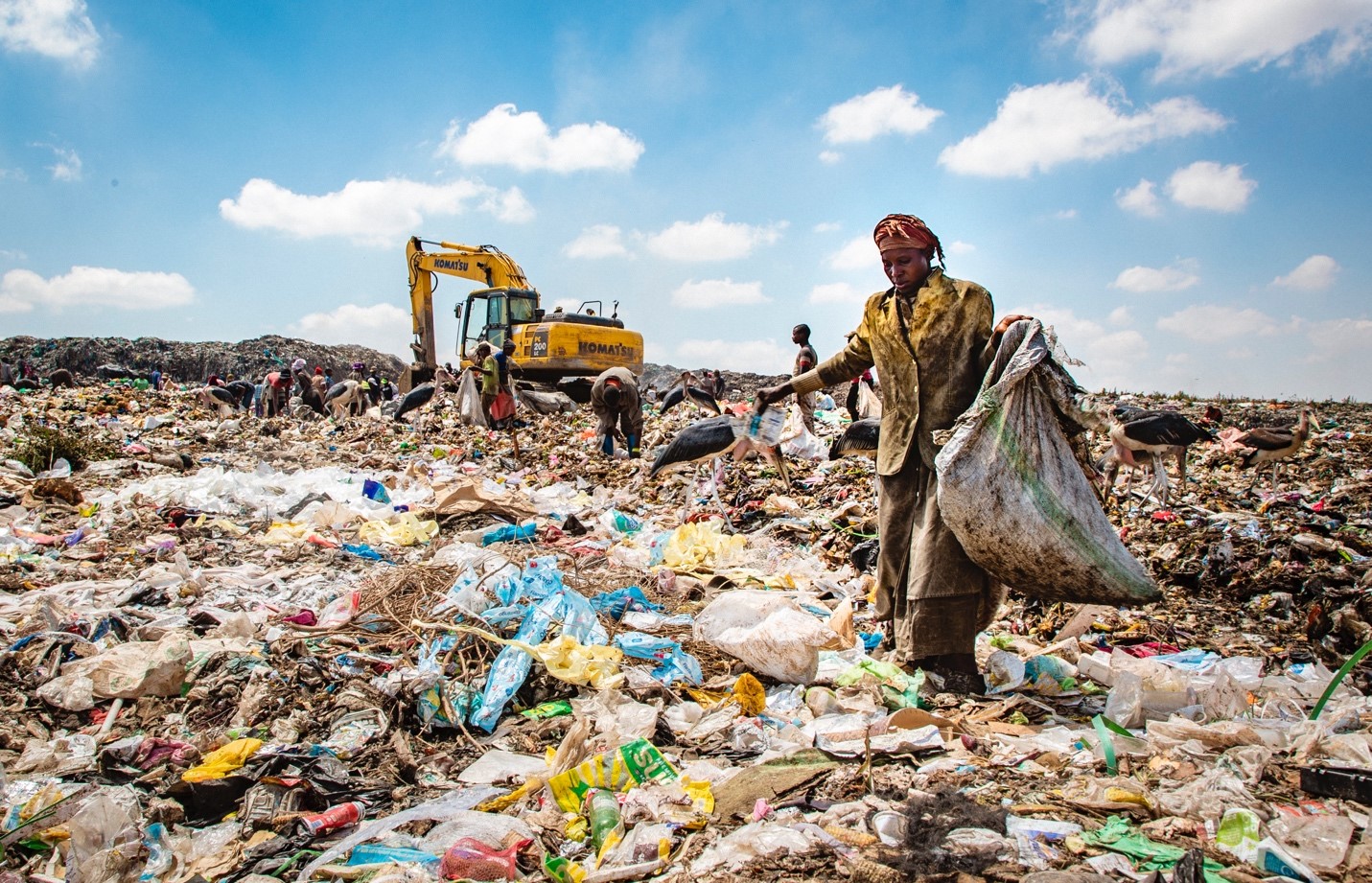
The Meghalaya State Pollution Control Board has imposed fines on three civic bodies for engaging in unscientific garbage dumping practices, underscoring the state’s commitment to environmental protection and sustainable waste management. The action was taken following inspections and assessments that identified improper disposal methods causing ecological concerns. Moreover, officials stated that strict enforcement measures are necessary to ensure compliance with environmental regulations. The move highlights the growing emphasis on scientific waste management and accountability among local authorities.
Security Forces Rescue 115 Human Trafficking Victims From Assam; 9 Traffickers Arrested in Bihar
Tripura Rural Bank Expands Operations by Opening 15 New Fully Digital Branches
Action Taken Against Improper Waste Disposal Practices
Meghalaya environment board imposes fines on three civic bodies for unscientific garbage dumping to address concerns related to environmental degradation and public health. Consequently, the concerned authorities have been directed to improve waste handling mechanisms and adopt scientific disposal practices.
The inspections reportedly revealed shortcomings in segregation, treatment, and disposal of municipal waste. Moreover, environmental norms require local bodies to implement sustainable waste management systems. Therefore, regulatory action was deemed necessary to ensure adherence to prescribed guidelines.
Officials emphasized that improper dumping can adversely affect ecosystems, water sources, and surrounding communities. Furthermore, timely corrective measures are essential for minimizing environmental damage. As a result, civic bodies have been urged to strengthen their waste management infrastructure.
Meanwhile, monitoring mechanisms are being enhanced to ensure compliance. Consequently, periodic assessments are expected to continue.
Scientific Waste Management Remains a Priority
Meghalaya environment board imposes fines on three civic bodies for unscientific garbage dumping with the objective of promoting responsible waste disposal practices. Moreover, scientific management of municipal waste is crucial for maintaining environmental sustainability. Therefore, stricter enforcement of regulations has become increasingly important.
Authorities highlighted the importance of segregation, recycling, and proper treatment of waste. Consequently, local administrations are expected to adopt improved waste processing methods. Such measures contribute to cleaner and healthier urban environments.
Furthermore, efficient waste management systems can reduce pollution and enhance public sanitation. As a result, communities are likely to benefit from improved living conditions.
Meanwhile, awareness campaigns regarding waste segregation and recycling are being encouraged. Similarly, technical support is being provided to strengthen municipal capabilities.
Strengthening Environmental Compliance and Accountability
The Meghalaya environment board imposes fines on three civic bodies for unscientific garbage dumping as part of broader efforts to improve environmental governance. Moreover, regulatory oversight is essential for ensuring that local bodies fulfill their responsibilities. Therefore, accountability measures are receiving increased attention.
Officials stated that penalties serve as a deterrent and encourage better compliance with environmental standards. Consequently, civic agencies are expected to prioritize sustainable waste management practices. Such initiatives support long-term ecological preservation.
Furthermore, authorities are considering additional monitoring technologies and reporting mechanisms. As a result, environmental compliance systems may become more effective.
Meanwhile, collaborations with urban development agencies and experts are being strengthened. Similarly, best practices in waste management are being promoted.
Commitment to Sustainable Urban Development
The action reflects Meghalaya’s commitment to balancing urban growth with environmental conservation. Moreover, proper waste management is an important component of sustainable development. Therefore, ensuring scientific disposal methods remains a key objective.
Officials highlighted that stronger municipal systems and public participation are necessary for achieving lasting improvements. Consequently, future initiatives are expected to focus on capacity building and infrastructure development. Such measures contribute to cleaner cities and better environmental outcomes.
Furthermore, investments in waste treatment facilities and recycling initiatives are being explored. As a result, the state’s waste management framework is likely to become more resilient.
Meanwhile, public awareness regarding responsible waste disposal is being intensified. Similarly, environmental education programs are being expanded.
Conclusion
Meghalaya environment board imposes fines on three civic bodies for unscientific garbage dumping, marking a significant step toward enforcing environmental regulations and promoting sustainable waste management. Moreover, the action underscores the importance of accountability and scientific disposal practices.
The initiative is expected to encourage local authorities to strengthen waste management systems and improve environmental standards. Therefore, it represents a meaningful contribution to ecological protection and public health.
As the Meghalaya environment board imposes fines on three civic bodies for unscientific garbage dumping, the development highlights the growing importance of responsible urban management and environmental stewardship.
FAQs
1. Why were the three civic bodies fined?
They were penalized for unscientific garbage dumping practices.
2. Which authority imposed the fines?
The Meghalaya State Pollution Control Board.
3. What is the objective of the action?
To ensure compliance with environmental regulations and promote scientific waste management.
4. Why is proper waste disposal important?
It helps protect ecosystems, public health, and the environment.
5. What measures are being encouraged?
Waste segregation, recycling, and improved disposal systems.