


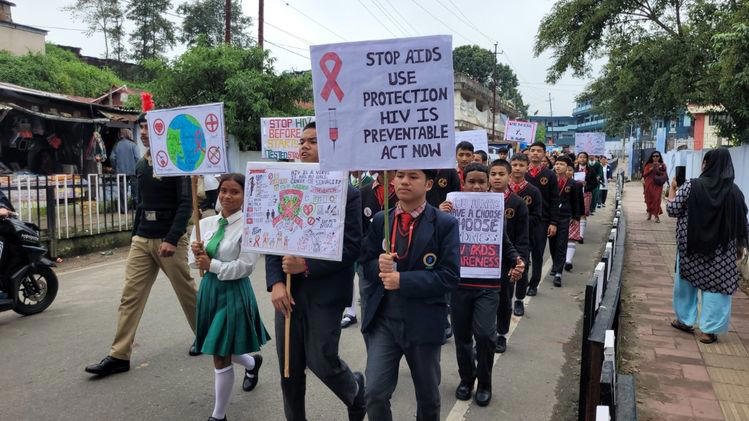
The Government of Meghalaya has declared a HIV crisis in the Jaintia Hills region following a rise in reported infections among youth. Authorities emphasized that the situation demands urgent intervention, including targeted awareness campaigns, testing, and community support.
Health officials reported that a growing number of young people are at risk due to limited knowledge about HIV transmission and unsafe practices. To address the issue, the state government is launching focused awareness programs aimed at educating students and young adults.
Read More: Tripura to Build 400 KV Substation to Meet Power Demand
Rising HIV Cases Among Youth
Recent surveys indicate that HIV infections among youth in Jaintia Hills have increased significantly. Experts attribute the surge to high-risk behaviors, lack of awareness, and delayed testing. The government has prioritized early detection, counseling, and preventive education to reduce further spread.
The Meghalaya HIV crisis declaration highlights the urgent need for coordinated action among health authorities, educational institutions, and local communities. Officials stressed that engaging youth in preventive programs is critical to curbing the epidemic.
Awareness Campaigns Target Students
State health departments are rolling out awareness campaigns targeting schools, colleges, and community centers. These initiatives include workshops, seminars, and interactive sessions designed to educate youth about safe practices, HIV prevention, and the importance of testing.
Officials encourage students to actively participate in these programs to gain knowledge and develop responsible behaviors. By understanding the risks and consequences of HIV, young people can make informed decisions about their health.
Role of Local Communities
Local communities play a vital role in addressing the HIV crisis. Community leaders, families, and peer networks are encouraged to support youth education and foster an environment of openness and guidance.
Authorities stressed that collaboration between families, schools, and health agencies is essential. Communities can provide counseling, mentorship, and early intervention, helping youth adopt safe practices and seek timely medical assistance when needed.
Strengthening Health Services
The state government is working to strengthen healthcare infrastructure in Jaintia Hills. Mobile testing units, counseling centers, and local clinics are being equipped to provide confidential HIV testing and support.
Meghalaya’s health officials emphasized that accessibility to testing and treatment is a key factor in controlling the epidemic. By ensuring youth have access to services, the state aims to reduce transmission and support those affected by HIV.
Promoting Safe Practices
Awareness campaigns focus on promoting safe behaviors, including safe sex practices, proper hygiene, and avoidance of high-risk activities. Educators and health experts are providing practical guidance to students and young adults.
Officials highlighted that knowledge and preventive measures are powerful tools in fighting the HIV crisis. By educating youth early, Meghalaya aims to reduce the long-term impact of the epidemic and protect future generations.
Collaboration with NGOs and Health Agencies
The government is collaborating with non-governmental organizations (NGOs) and health agencies to expand outreach. These organizations conduct workshops, provide counseling, and facilitate testing for at-risk individuals.
NGOs also help schools and colleges implement youth-focused programs, ensuring students receive accurate information and practical support. This partnership strengthens community engagement and enhances the effectiveness of preventive measures.
Monitoring and Early Intervention
Health authorities stressed the importance of monitoring high-risk populations and implementing early intervention strategies. Students and youth identified as vulnerable are being offered counseling, testing, and medical support to prevent HIV progression.
Officials emphasized that early intervention not only helps individuals but also reduces the overall burden on the healthcare system. By detecting infections early, Meghalaya can implement targeted measures and control the spread more effectively.
Government Policies and Initiatives
The Meghalaya government has announced policy measures to address the HIV crisis. These include funding for awareness campaigns, infrastructure upgrades for testing centers, and training for healthcare personnel.
Officials also plan to integrate HIV education into school and college curricula, ensuring youth receive continuous guidance on prevention and safe behaviors. This approach aims to create a long-term impact and foster a culture of health awareness.
Conclusion
The declaration of a Meghalaya HIV crisis in Jaintia Hills underscores the urgent need for action. Rising infections among youth require comprehensive awareness campaigns, early testing, and community support to prevent further spread.
Through coordinated efforts involving health authorities, schools, NGOs, and local communities, Meghalaya aims to empower youth with knowledge and resources. The government’s initiatives focus on early detection, safe practices, and accessible healthcare to combat the epidemic effectively.
By targeting youth with education, support, and intervention, Meghalaya seeks to contain the HIV crisis in Jaintia Hills and protect the health of future generations. Awareness, collaboration, and proactive measures remain central to addressing this pressing public health challenge.
Read More: CM Manik Saha HIV warning: Students Advised on Drug Abuse