


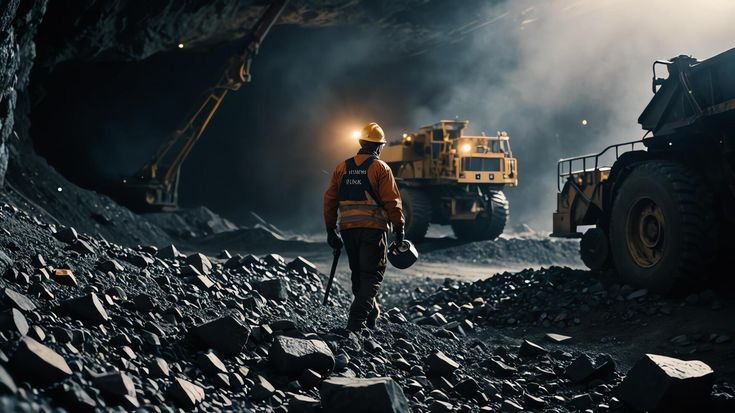
The Meghalaya mining regulations debate has intensified, with local groups pressing for stricter enforcement amid growing environmental concerns. Reports highlight that communities across the state are increasingly worried about the impact of unregulated mining on forests, rivers, and public health.
Rising Concerns Over Mining Practices
Mining has long been a contentious issue in Meghalaya, particularly with coal and limestone extraction. While the industry provides jobs and revenue, activists argue that the environmental costs are too high.
- Rivers in mining areas have shown signs of acidification.
- Deforestation linked to mining threatens biodiversity hotspots.
- Local communities report health issues due to contaminated water.
These concerns have fueled the Meghalaya mining regulations debate, making it a central issue in policy discussions.
Local Groups Lead the Charge
Grassroots organizations and tribal councils are at the forefront of the movement. They demand:
- Transparent monitoring of mining activities.
- Strict penalties for illegal mining operations.
- Rehabilitation programs for affected communities.
One activist stated:
“Our land and rivers are our lifelines. Without stricter enforcement, future generations will inherit nothing but destruction.”
Government Response
The Meghalaya government has acknowledged the protests and debates, promising to strengthen regulatory frameworks. Officials claim that new guidelines will ensure sustainable mining practices.
However, critics argue that enforcement remains weak. They point to instances where illegal mining continues despite bans, underscoring the need for stronger accountability.
Environmental Impact of Mining in Meghalaya
The Meghalaya mining regulations debate is not just about laws—it’s about survival. Environmental experts warn that unchecked mining could lead to:
- Permanent damage to river ecosystems.
- Loss of indigenous flora and fauna.
- Increased vulnerability to landslides and floods.
These risks highlight why stricter enforcement is critical for long-term sustainability.
Economic vs. Environmental Balance
Supporters of mining argue that the industry is vital for Meghalaya’s economy. Yet, activists counter that short-term gains cannot outweigh long-term losses.
- Mining revenue contributes to state finances.
- But environmental degradation reduces agricultural productivity.
- Tourism, a growing sector, suffers when natural landscapes are destroyed.
The Meghalaya mining regulations debate reflects this tension between development and conservation.
Protecting Meghalaya’s Future
Local groups are urging policymakers to act decisively. Their demands include:
- Independent audits of mining operations.
- Community participation in decision-making.
- Investment in eco-friendly industries as alternatives.
Citizens are encouraged to support sustainable practices and hold leaders accountable.
READ MORE: Tripura Employment Guarantee Protests Demand Better Schemes
The Meghalaya mining regulations debate underscores the urgent need for stricter enforcement and sustainable practices. Local groups are raising their voices to protect land, rivers, and communities from irreversible damage.
This movement is not just about mining—it’s about safeguarding Meghalaya’s future. Policymakers must listen, act, and ensure that development does not come at the cost of destruction.