


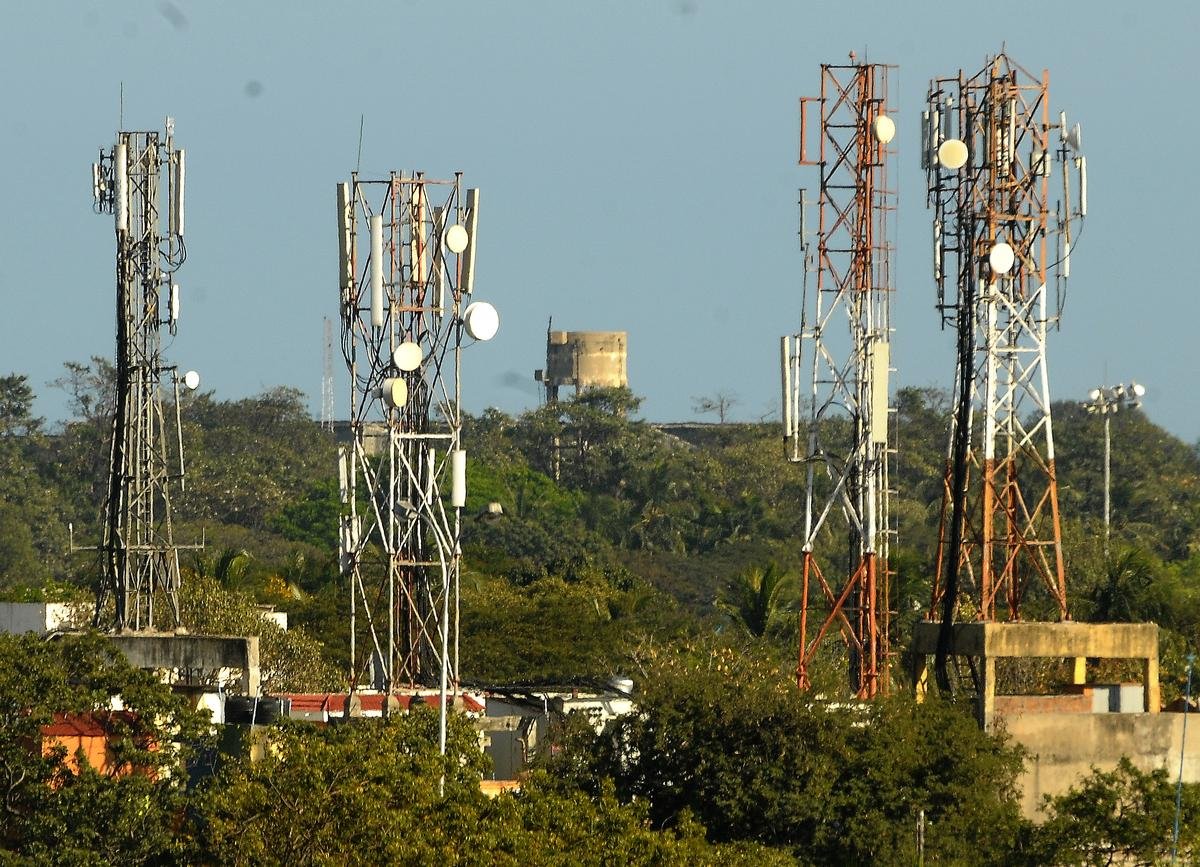
The Meghalaya Mobile Network Gaps issue has come into sharp focus following a Telecom Regulatory Authority of India (TRAI) assessment released on June 8. The report identified significant mobile connectivity deficiencies across East Jaintia Hills and West Jaintia Hills, highlighting challenges faced by residents in accessing reliable telecommunications services. Moreover, the findings have renewed discussions on digital infrastructure development, rural connectivity, and the need for expanded network coverage in remote regions.
Dibrugarh Kidnapping Hoax Case Exposes Staged Abduction Claim in Assam
Thrilling Meghalaya State League Final Sees Nongkseh Triumph
Meghalaya Mobile Network Gaps Revealed in TRAI Assessment
The Meghalaya Mobile Network Gaps highlighted in the latest TRAI assessment have drawn attention to persistent connectivity issues across East Jaintia Hills and West Jaintia Hills. The findings indicate that several areas continue to experience inadequate mobile network coverage despite ongoing efforts to improve telecommunications infrastructure.
Moreover, the assessment underscores the importance of reliable connectivity in supporting communication, economic activity, education, and public services. Network access has become increasingly essential in both urban and rural communities.
East and West Jaintia Hills Face Coverage Challenges
The report specifically identified East Jaintia Hills and West Jaintia Hills as regions where mobile network availability remains limited in several locations. Consequently, residents in affected areas may experience difficulties in accessing voice and data services consistently.
Additionally, challenging terrain and dispersed settlements often complicate telecommunications expansion in hilly regions. These factors can increase infrastructure costs and deployment challenges for service providers.
Reliable Connectivity Supports Daily Life
Mobile networks have become a critical component of modern life. Therefore, gaps in coverage can affect communication, access to information, and participation in digital services.
Moreover, reliable telecommunications infrastructure enables individuals, businesses, and institutions to remain connected. Improved network access can contribute to social and economic development across communities.
Digital Inclusion Remains a National Priority
The Meghalaya Mobile Network Gaps identified by TRAI also highlight broader efforts to promote digital inclusion across India. Consequently, policymakers continue to emphasize the importance of extending telecommunications services to underserved regions.
Furthermore, digital connectivity supports access to government services, online education, healthcare information, and financial technologies. Expanding coverage remains a key objective of national development initiatives.
Geographic Challenges Affect Infrastructure Expansion
The terrain of the Jaintia Hills region presents unique challenges for telecommunications infrastructure projects. Therefore, network deployment often requires additional planning, investment, and technical solutions.
Additionally, mountainous landscapes can affect signal propagation and increase the complexity of establishing communication towers and related facilities. Service providers frequently need customized approaches for such regions.
Impact on Education and Digital Learning
Connectivity limitations can influence educational opportunities in remote areas. Consequently, students and educational institutions may face difficulties accessing online learning platforms and digital resources.
Moreover, improved mobile and internet services can help bridge educational gaps by providing greater access to information and remote learning opportunities. Digital infrastructure has become increasingly important for academic development.
Economic Activities Depend on Strong Networks
Businesses and local entrepreneurs increasingly rely on telecommunications services to manage operations and connect with customers. Therefore, network deficiencies can affect economic activities and limit growth opportunities.
Furthermore, reliable connectivity supports e-commerce, digital payments, and market access for businesses operating in rural and semi-urban areas. Enhanced coverage can contribute to broader economic development.
Government and Industry Collaboration Needed
Addressing connectivity challenges often requires cooperation between government agencies, regulators, and telecommunications providers. Consequently, stakeholders continue to explore strategies for expanding network infrastructure in underserved locations.
Additionally, collaborative initiatives can help identify priority areas, improve investment planning, and accelerate deployment efforts. Such partnerships are often critical for achieving connectivity goals.
Infrastructure Investment Could Improve Coverage
The findings of the TRAI assessment may encourage additional investment in telecommunications infrastructure across the Jaintia Hills region. Therefore, future projects could focus on strengthening network reliability and extending coverage to unserved areas.
Moreover, technological advancements and targeted infrastructure programs may help overcome some of the challenges associated with difficult terrain and remote locations.
Future Focus on Connectivity Expansion
The Meghalaya Mobile Network Gaps identified in the assessment are expected to remain a focus of policy and infrastructure discussions. Meanwhile, efforts to improve telecommunications access are likely to continue through a combination of public and private sector initiatives.
Furthermore, expanding connectivity can support broader development objectives by enhancing communication, economic participation, and access to digital services throughout the region.
Conclusion
The Meghalaya Mobile Network Gaps highlighted by the TRAI assessment released on June 8 have brought renewed attention to connectivity challenges in East Jaintia Hills and West Jaintia Hills. The findings reveal the need for continued efforts to strengthen telecommunications infrastructure and ensure that residents have access to reliable mobile services. As digital technologies become increasingly integrated into daily life, connectivity has emerged as a fundamental requirement for social and economic progress.
Moreover, the assessment underscores the importance of addressing infrastructure limitations in geographically challenging regions. Reliable telecommunications networks support education, healthcare access, business activities, and communication, making them essential for inclusive development. Improving coverage can help bridge digital divides and create new opportunities for local communities.
Furthermore, collaboration among regulators, government agencies, and service providers will be crucial in overcoming existing challenges. Investments in infrastructure, innovative deployment strategies, and targeted connectivity initiatives can contribute to long-term improvements across the Jaintia Hills region. Overall, the Meghalaya Mobile Network Gaps identified by TRAI highlight both the challenges that remain and the opportunities available for strengthening digital connectivity in the state.
FAQs
Q1. What are the Meghalaya Mobile Network Gaps?
The Meghalaya Mobile Network Gaps refer to areas identified by TRAI where mobile network coverage remains inadequate, particularly in East and West Jaintia Hills.
Q2. Which regions were highlighted in the assessment?
The assessment focused on connectivity challenges in East Jaintia Hills and West Jaintia Hills districts of Meghalaya.
Q3. Why is mobile connectivity important?
Mobile connectivity supports communication, education, business operations, digital services, and access to important information.
Q4. What challenges affect network expansion in the Jaintia Hills?
Mountainous terrain, dispersed populations, and infrastructure deployment difficulties can make telecommunications expansion more complex.
Q5. How can connectivity be improved in these areas?
Improvement may come through infrastructure investments, government initiatives, technological solutions, and collaboration between telecom providers and regulatory agencies.