


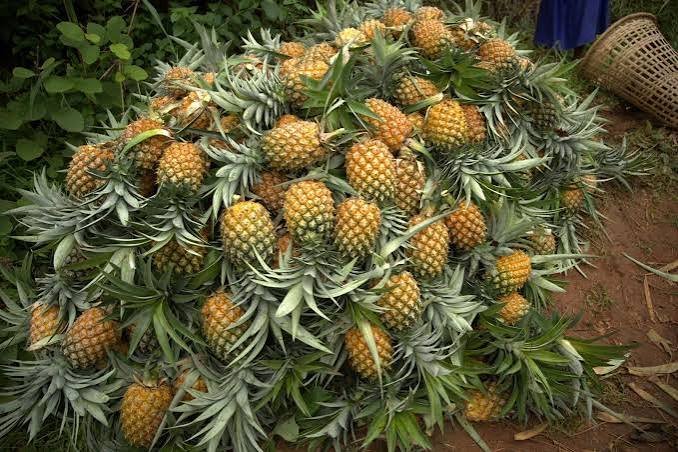
Meghalaya-grown pineapples are gaining access to major urban markets as quick-commerce platforms Blinkit and Swiggy Instamart reportedly expand their supply chains to bring premium produce from the northeastern state to consumers in cities such as Bengaluru. The move creates a new retail channel for Meghalaya’s pineapple growers.
The expansion highlights the growing role of digital commerce in connecting farmers from the Northeast with consumers in distant metropolitan markets. Moreover, faster distribution can help agricultural producers access markets beyond traditional regional supply chains.
The initiative also gives Meghalaya’s distinctive pineapple varieties greater visibility among urban consumers. However, the available information does not specify the exact number of farmers participating, the volume being shipped, or the full list of cities receiving the produce.
Mizoram Celebrates First Arjuna Awardee: Lalremsiami Makes State Sports History
Meghalaya Pineapples Reach Bengaluru
The arrival of Meghalaya pineapples in Bengaluru represents an important step in expanding the market for the state’s agricultural produce.
Bengaluru has a large urban consumer base with strong demand for fresh fruits and other premium food products. Furthermore, quick-commerce platforms can connect consumers with products that previously required specialised retail or longer distribution networks.
This can create new opportunities for Meghalaya’s fruit growers.
However, the information available does not indicate the exact volume of Meghalaya pineapples currently reaching Bengaluru.
Quick-Commerce Platforms Expand Supply Chains
Platforms such as Blinkit and Swiggy Instamart have expanded beyond conventional grocery delivery by offering fresh produce and regional products.
Their distribution networks can provide agricultural producers with access to urban consumers through organised retail channels. Additionally, digital ordering can reduce the distance between producers, distributors, retailers, and customers.
For Meghalaya’s farmers, such channels could provide greater market visibility.
However, the specific procurement and distribution arrangements for the pineapples have not been disclosed.
Meghalaya’s Pineapple Industry Gains Visibility
Meghalaya has a strong reputation for producing pineapples, particularly varieties associated with the state’s distinctive agricultural conditions.
Greater access to metropolitan markets can increase awareness of Meghalaya’s horticultural products. Moreover, premium positioning can encourage consumers to explore produce originating from Northeast India.
The expansion could therefore support the state’s broader efforts to promote agricultural products outside the region.
However, the available information does not provide current production or export figures for Meghalaya’s pineapple sector.
Farmers Could Gain Wider Market Access
Direct connections with large urban markets can create additional opportunities for farmers.
Traditional agricultural supply chains may involve multiple intermediaries and geographically limited markets. Furthermore, organised procurement can potentially provide producers with more predictable channels for selling their harvest.
Greater market access can become especially valuable during peak production periods.
However, the actual impact on farmer incomes will depend on procurement prices, logistics costs, volumes, and contract arrangements.
Bengaluru Offers a Major Consumer Market
Bengaluru’s large population makes the city an important destination for premium fresh produce.
Consumers increasingly use digital platforms to purchase groceries and fresh food. Additionally, quick-commerce services can offer regional products to customers without requiring them to visit specialised stores.
Meghalaya’s pineapples can therefore reach consumers who may have had limited access to them previously.
However, the information provided does not specify how many Bengaluru outlets currently stock the produce.
Cold-Chain Logistics Remain Important
Fresh pineapples require careful handling during transportation to maintain quality.
Long-distance movement from Meghalaya to southern India involves significant logistical challenges. Moreover, proper packaging, transportation, storage, and inventory management can influence how fresh the fruit remains when it reaches consumers.
An efficient supply chain will therefore remain essential to the expansion.
However, the available information does not provide details about the specific logistics or cold-chain infrastructure being used.
Northeast Agriculture Gets a Digital Boost
The initiative illustrates how digital retail platforms can potentially support agricultural producers in geographically remote regions.
Northeastern states face significant distances from major consumer markets. Furthermore, digital supply chains can create new routes for agricultural products to reach cities across India.
This could encourage more regional producers to explore organised retail opportunities.
However, the scale of this broader impact remains uncertain.
Premium Positioning Could Add Value
Marketing Meghalaya pineapples as premium produce can help differentiate them in crowded urban fruit markets.
Consumers may value distinctive regional origin, freshness, and traceability. Additionally, stronger branding can create recognition for agricultural products from the Northeast.
Such positioning could potentially increase the commercial value of the produce.
However, premium pricing does not automatically translate into higher returns for farmers unless procurement and distribution arrangements support them.
Local Agriculture Could Benefit
Expanding markets can encourage farmers to maintain and potentially increase production when demand remains stable.
Greater demand can also support related activities such as sorting, grading, packaging, transportation, and aggregation. Moreover, these activities can create additional economic opportunities within agricultural supply chains.
The benefits could therefore extend beyond individual growers.
However, long-term gains will depend on consistent demand and reliable distribution.
Meghalaya’s Horticulture Sector Gains Momentum
The pineapple initiative fits into broader efforts to promote horticulture from Meghalaya and the Northeast.
Agricultural diversification can help rural communities develop additional income sources while reducing dependence on a limited number of crops. Furthermore, stronger connections with national markets can encourage producers to focus on quality, packaging, and value addition.
The metropolitan expansion could support these wider objectives.
However, no specific production expansion target has been announced.
What Happens Next?
The next stage will depend on consumer response and the ability of the supply chain to maintain consistent quality.
If demand remains strong, platforms could potentially expand procurement and introduce Meghalaya pineapples in additional cities. Moreover, stronger market connections could encourage other northeastern agricultural producers to explore similar distribution models.
The long-term success will depend on reliable supply, pricing, logistics, and farmer participation.
Conclusion
The arrival of Meghalaya pineapples in Bengaluru through expanding digital supply chains gives the state’s growers access to a major metropolitan consumer market. The reported involvement of Blinkit and Swiggy Instamart highlights how quick-commerce platforms can connect regional agricultural products with consumers far beyond their place of origin.
Moreover, wider market access can increase visibility for Meghalaya’s horticulture sector and potentially create new opportunities for farmers. At the same time, logistics, fair procurement prices, product quality, and consistent supply will remain important for ensuring sustainable benefits.
Overall, Meghalaya pineapples reaching Bengaluru marks an encouraging development for Northeast India’s agricultural products and their entry into India’s rapidly expanding digital retail market.
FAQs
1. Where are the pineapples coming from?
The pineapples are reportedly sourced from Meghalaya, a northeastern Indian state known for its horticultural production.
2. Which cities are receiving Meghalaya pineapples?
The reported expansion includes Bengaluru, with the supply chain also targeting major Indian metropolitan markets.
3. Which platforms are involved?
The reported initiative involves quick-commerce platforms Blinkit and Swiggy Instamart.
4. How could farmers benefit?
Wider urban market access can create additional sales opportunities and increase visibility for Meghalaya’s agricultural produce.
5. Why is this significant for Meghalaya?
It connects local pineapple growers with consumers in distant metropolitan markets and strengthens the commercial visibility of the state’s horticulture sector.