


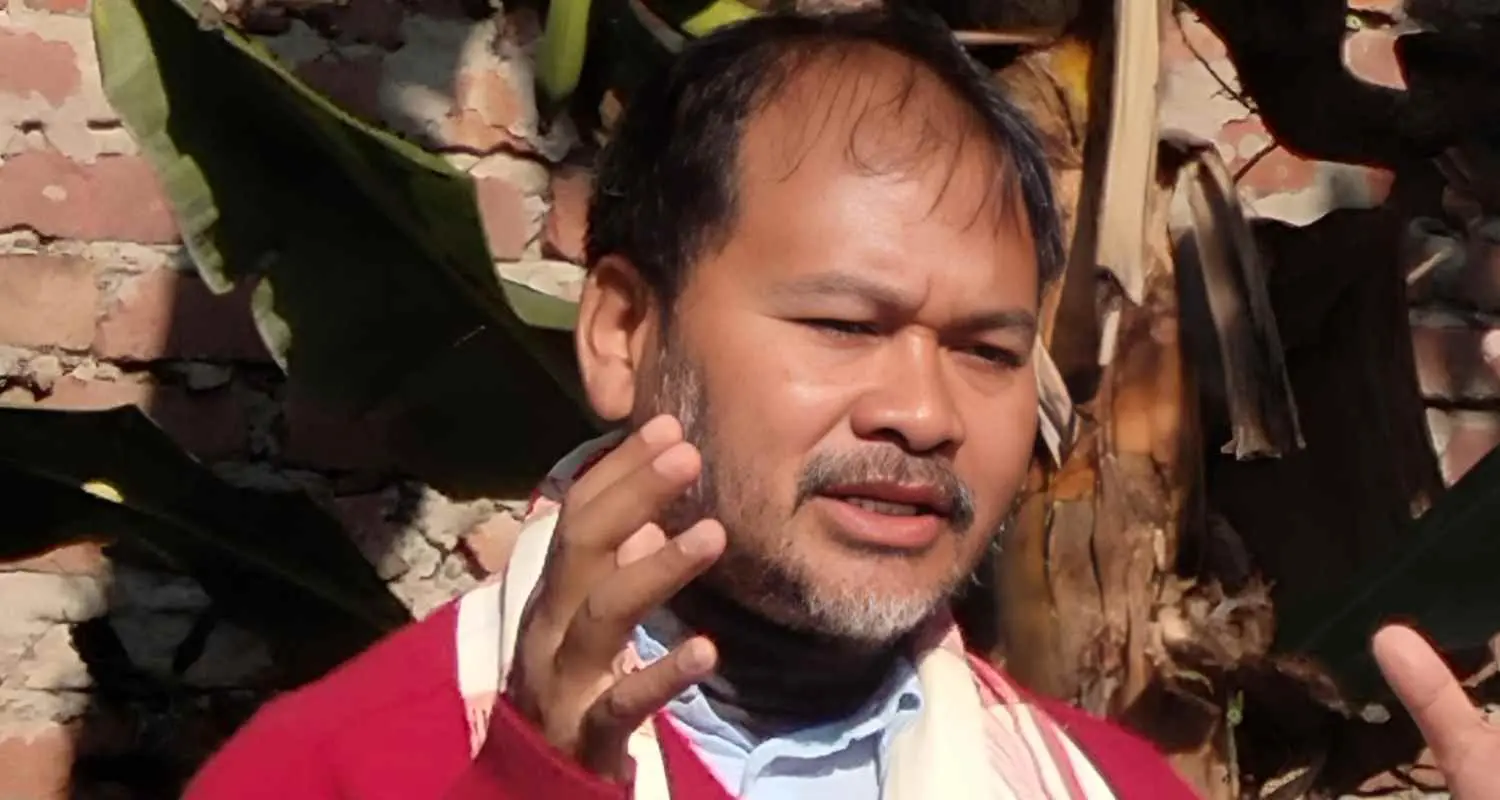
The Assam BJP has publicly challenged Raijor Dal chief Akhil Gogoi, questioning what it described as his silence over alleged illegal coal-related activities and regional links. The political exchange adds another layer to Assam’s continuing debate over coal trade, regulation, and accountability.
The BJP’s criticism places the alleged coal connections at the centre of a political confrontation. Moreover, accusations involving illegal mining or coal transportation can carry significant environmental, economic, and governance implications when authorities establish evidence of wrongdoing.
However, the available information does not establish that Akhil Gogoi or Raijor Dal participated in illegal coal activities. The allegations should therefore remain clearly distinguished from verified findings by investigative or law-enforcement agencies.
Meghalaya Pineapples Hit Bengaluru: Premium Khasi Pineapples Reach Major Indian Metros
Assam BJP Questions Akhil Gogoi
The Assam BJP’s challenge to Akhil Gogoi centres on what the party characterises as his silence regarding alleged illegal coal links.
Political parties frequently use such allegations to demand explanations from opponents. Furthermore, public questions about natural-resource trade can become politically significant when they involve environmental concerns or claims of regulatory violations.
The BJP’s statement has therefore intensified the political discussion surrounding coal activity in the region.
However, questioning a political leader does not by itself establish involvement in any illegal activity.
Allegations of Illegal Coal Links Remain Contested
The controversy revolves around alleged connections involving regional coal trade.
Illegal coal operations can include activities that violate mining, transportation, environmental, taxation, or other regulatory requirements. Additionally, authorities generally need documentary evidence, investigations, and legal proceedings to establish specific violations.
The current political allegations should therefore remain separate from confirmed findings.
No verified evidence establishing Akhil Gogoi’s personal involvement has been provided in the information available.
Akhil Gogoi’s Political Role
Akhil Gogoi leads Raijor Dal and remains a prominent political figure in Assam.
His political career has included strong positions on governance, natural resources, land, and issues affecting local communities. Moreover, his party has frequently positioned itself as a challenger to established political forces in the state.
The BJP’s latest criticism therefore carries a broader political dimension.
However, the available information does not include Gogoi’s response to the latest allegations.
Coal Trade Remains a Sensitive Issue
Coal mining and transportation have generated considerable debate across parts of Northeast India.
The industry can contribute to employment and economic activity while also creating concerns around environmental damage, land use, transportation, and regulatory enforcement. Furthermore, illegal operations can undermine legitimate businesses and government revenue when they occur.
These factors make coal governance an important public issue.
Environmental Concerns Add Pressure
Coal extraction can create environmental challenges when operators fail to follow required safeguards.
Potential concerns include land degradation, water contamination, deforestation, and damage to local ecosystems. Additionally, unregulated mining can make environmental monitoring more difficult.
Political debates over coal therefore often extend beyond questions of revenue and trade.
However, the specific environmental impact connected to the allegations in this dispute has not been established.
Regulation and Enforcement Remain Important
Government agencies have responsibility for monitoring mining and coal transportation activities.
Effective enforcement requires coordination among departments responsible for mining, forests, taxation, transportation, and law enforcement. Moreover, transparent licensing and monitoring systems can help distinguish legitimate coal operations from illegal activities.
Stronger oversight can therefore reduce uncertainty surrounding coal trade.
However, the information provided does not identify any specific investigation connected to the political dispute.
Political Parties Demand Accountability
Political criticism can place pressure on public figures to explain their positions on controversial issues.
The Assam BJP’s challenge reflects this broader political practice. Furthermore, opposition parties can use questions surrounding natural resources to demand greater transparency from rivals.
However, political claims require independent verification before authorities or the public can treat them as established facts.
Importance of Evidence-Based Investigation
Allegations involving illegal trade require credible evidence.
Authorities can examine financial records, transportation documents, mining permits, company ownership, and other relevant information when investigating suspected violations. Additionally, legal processes provide mechanisms for determining responsibility based on evidence.
This approach can help prevent political allegations from replacing factual investigations.
Economic Impact of Illegal Coal Trade
Illegal coal activity can potentially affect government revenue and legitimate businesses.
When coal moves outside regulated channels, authorities may lose applicable taxes, royalties, or other revenues. Moreover, legitimate operators can face unfair competition from activities that avoid regulatory costs.
Effective enforcement can therefore have both economic and governance benefits.
However, no financial loss figure has been provided in the current allegations.
Need for Political Restraint
Political disagreements can become particularly contentious when they involve allegations of illegal activity.
Parties have the right to demand accountability, while individuals facing allegations deserve an opportunity to respond. Furthermore, responsible public discussion requires distinguishing allegations from established facts.
Such an approach can help maintain credibility during politically sensitive disputes.
What Happens Next?
The controversy could continue if the BJP provides additional evidence or if Akhil Gogoi responds publicly to the allegations.
Authorities could also face pressure to clarify whether any formal investigation exists into the alleged coal links. Moreover, an independent inquiry, if warranted by credible evidence, could help establish the facts.
Until then, the political claims remain contested.
Conclusion
The Assam BJP’s challenge to Akhil Gogoi over alleged illegal coal links has triggered another political confrontation surrounding coal trade and accountability in the region. The BJP has questioned Gogoi’s position, while the available information does not establish his involvement in any illegal activity.
Moreover, coal-related allegations carry wider implications for environmental protection, government revenue, regulation, and legitimate businesses. At the same time, credible evidence and independent investigations remain essential for determining whether any violations actually occurred.
Overall, the coal trade political clash in Assam highlights the need to distinguish political accusations from verified findings while maintaining transparency and accountability in the management of natural resources.
FAQs
1. What is the Assam BJP alleging?
The Assam BJP has questioned Akhil Gogoi over what it describes as silence concerning alleged illegal regional coal links.
2. Has Akhil Gogoi been proven to be involved in illegal coal activity?
No. The information available does not establish his involvement in illegal coal activity.
3. Why is coal trade politically sensitive?
Coal trade involves economic interests, government revenue, environmental concerns, regulation, and the livelihoods of communities.
4. What could establish whether the allegations are true?
Official investigations, documentary evidence, financial records, permits, transportation records, and legal proceedings could help establish the facts.
5. What happens next?
The political dispute could continue if the BJP presents additional evidence or if Akhil Gogoi issues a response to the allegations.