


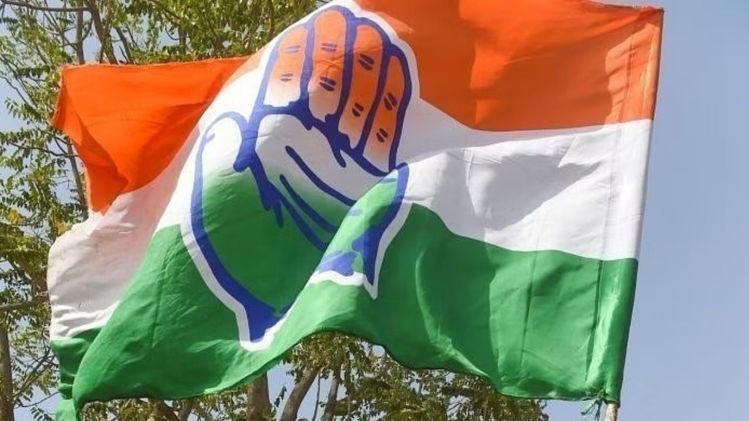
The Meghalaya Youth Congress has strongly opposed the state government’s appointment of DC as GHADC Principal Secretary. The party said the move weakens the Garo Hills Autonomous District Council’s (GHADC) independence and violates the constitutional principle of local self-governance.
According to the Youth Congress, the government’s decision reflects an effort to centralise power and reduce the council’s authority. They argued that the GHADC, which functions under the Sixth Schedule of the Constitution, deserves full freedom in administrative and financial matters.
Read More: North Tripura launches soak pit mission under Jal Sanchay Yatra
Rising Concerns Over GHADC’s Independence
The controversy began when the state government appointed the Deputy Commissioner as the ex-officio GHADC Principal Secretary. The official explanation was that this step would improve efficiency and clear pending salary arrears. However, the Youth Congress and several local groups criticised the move, saying it compromises the council’s autonomy.
Party leaders believe that giving dual responsibilities to the Deputy Commissioner will create conflicts of interest. The DC already handles district administration, and taking over GHADC’s top post could blur the line between state control and local governance. This dual role, they say, threatens the council’s independence and accountability.
The Youth Congress also condemned the government for failing to consult GHADC representatives before making the appointment. They said the decision was taken without any discussion with local leaders who understand the council’s challenges best.
Youth Congress’ Main Objections
The Youth Congress outlined several reasons for rejecting the appointment of DC as GHADC Principal Secretary.
First, they said the decision goes against the spirit of the Sixth Schedule, which aims to empower local self-rule in tribal areas. Placing a state officer in a key GHADC role, they argued, directly undermines that purpose.
Second, the party fears that transferring control of funds to a state-appointed officer could reduce financial transparency. They believe that local officers, who are accountable to the council, should manage funds instead. This approach would promote trust and allow better oversight.
Third, they accused the government of trying to strengthen its grip on autonomous institutions. The Youth Congress warned that such centralisation could extend to other district councils in the future, limiting the democratic rights of the people.
The party urged Chief Minister Conrad K. Sangma to revoke the appointment and assign the role to an independent senior bureaucrat. They also demanded that future appointments within GHADC be made only after consulting council members.
Government’s Stand on the Appointment
The Meghalaya government defended its decision, claiming that the appointment of DC as GHADC Principal Secretary was necessary to fix administrative issues. Officials said the council has faced a financial crisis for years, with irregular salary payments and audit gaps. According to them, assigning a senior IAS officer to oversee the council will ensure proper financial management and timely payments.
The state explained that the arrangement is temporary and meant to help restore stability. They also assured that the DC’s role as Principal Secretary would remain limited to overseeing reforms and not interfere in policy decisions.
Despite these explanations, opposition parties and local organisations remain unconvinced. They insist that efficiency should not come at the cost of the council’s freedom.
Concerns About Overreach and Governance
Political observers have said that the appointment of DC as GHADC Principal Secretary highlights a growing trend of state overreach in local governance. They believe the move could lead to the gradual erosion of the GHADC’s authority and weaken local participation in decision-making.
Several community leaders expressed fear that the council’s voice may get lost if state officials continue to dominate key positions. They warned that the DC’s dual role could create confusion among employees and slow down developmental work.
Activists added that while administrative reform is important, such changes must be implemented through cooperation, not control. They urged the government to involve GHADC leaders and the public before introducing any major reforms.
Youth Congress Plans Further Action
The Youth Congress announced plans to intensify its opposition through peaceful protests and petitions. The party will submit memorandums to the Governor and the Union Home Ministry, demanding a review of the appointment.
They called for an independent investigation into GHADC’s financial and administrative system to identify the real causes of inefficiency. According to the Youth Congress, appointing a DC to a dual post cannot fix deep-rooted management issues. Instead, they suggest capacity-building measures, regular audits, and stronger internal checks.
The party said it would continue to advocate for policies that protect GHADC’s independence and ensure transparency in governance. They also appealed to local residents to stand united against any move that might weaken their right to self-governance.
Broader Implications for Meghalaya’s Autonomous Councils
The appointment of DC as GHADC Principal Secretary has sparked debate about the future of all autonomous councils in Meghalaya. Political analysts believe that if this practice continues, other councils might face similar state interference.
Many fear this could set a precedent where bureaucrats replace local officers in decision-making roles, reducing the effectiveness of the Sixth Schedule institutions. This could also discourage local leaders from participating in governance, leading to a decline in regional representation.
Observers have urged the government to prioritise dialogue and reform instead of unilateral decisions. Strengthening local systems through training, technology, and transparent fund allocation would bring better results than administrative control.
The Meghalaya Youth Congress continues to oppose the appointment of DC as GHADC Principal Secretary, calling it a violation of local autonomy and democratic rights. The party demands that the government respect the constitutional status of GHADC and involve its members in future policy decisions.
The state government, however, insists that the move is temporary and focused on restoring financial order. The coming weeks will reveal whether both sides can find a middle ground between administrative reform and autonomy.
As the issue unfolds, it has sparked an important debate in Meghalaya about governance, decentralisation, and the balance between efficiency and independence. The Youth Congress maintains that any reform must strengthen local democracy, not weaken it.
Read More: Assam Education Minister Updates on CTET Verification