


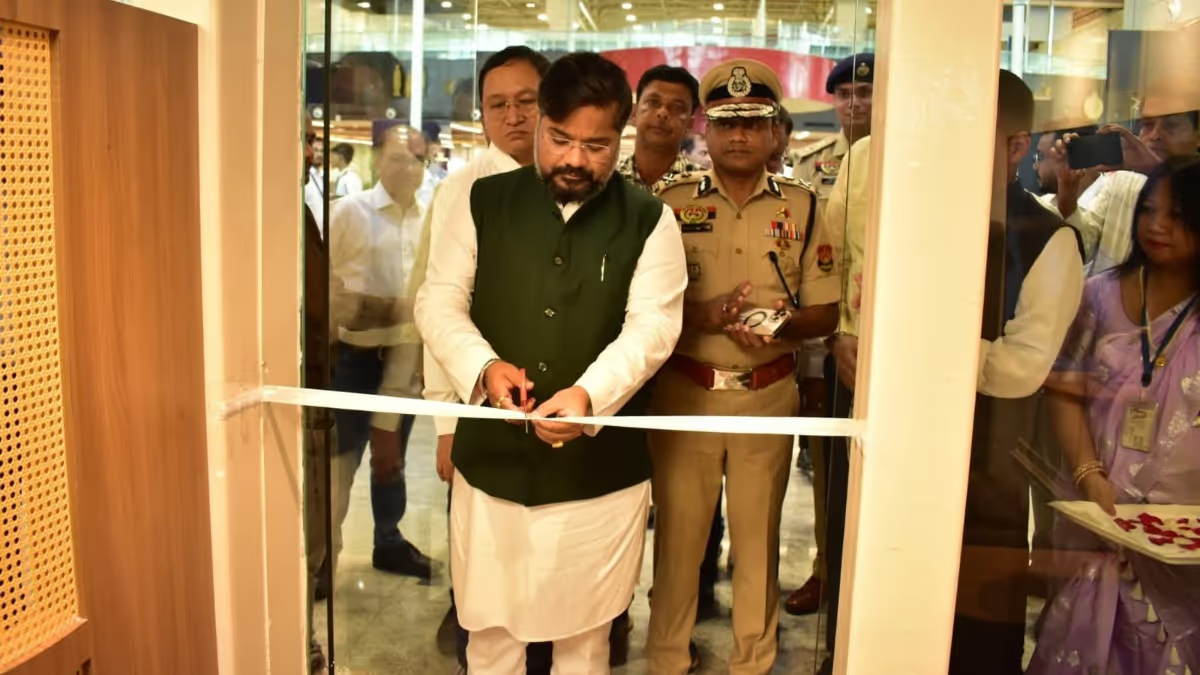
The MHA Tripura Delegation Visit marks a significant step toward speeding up consultations on Tripura’s indigenous development pact. The Union Ministry of Home Affairs (MHA) has scheduled a high-level central delegation to visit Agartala and engage with various stakeholders. The team will hold discussions to understand concerns and accelerate the implementation process. Moreover, the visit comes amid renewed efforts to move forward on commitments related to indigenous development, land and identity issues in Tripura.
Tripura House Voter Verification Set for September 15 to October 14, 2026
MHA Tripura Delegation Visit Brings Centre Closer to Stakeholders
The Union Ministry of Home Affairs has planned a high-level delegation visit to Agartala as part of efforts to advance consultations surrounding the indigenous development pact.
Furthermore, the delegation will engage with different stakeholders in Tripura. These consultations can provide the Centre with a clearer understanding of concerns, expectations and suggestions connected with the pact.
The visit also highlights the Centre’s intention to maintain direct communication with stakeholders in the state. Therefore, discussions in Agartala could help identify areas that require additional clarification or coordination.
Meanwhile, the proposed visit follows renewed attention toward implementing commitments concerning indigenous communities. The central delegation can consequently play an important role in bringing different stakeholders together and facilitating further discussions.
The MHA’s involvement also reflects the importance of the issue at the national level. Since the pact involves matters connected with indigenous development, continued coordination between the Union government and Tripura remains essential.
Additionally, consultations with stakeholders can help authorities understand local perspectives before taking further administrative steps.
Central Team to Accelerate Indigenous Pact Talks
The primary objective of the MHA Tripura Delegation Visit is to fast-track consultations related to the indigenous development pact.
Moreover, consultations can help bridge gaps between policy commitments and practical implementation. Officials can use discussions with stakeholders to examine concerns, clarify provisions and determine the next steps.
The central team’s engagement with multiple groups can also create a broader consultation process. Different stakeholders may have distinct priorities, particularly regarding development, indigenous identity and land-related concerns.
Therefore, gathering views from a wide range of participants can help the authorities develop a more comprehensive understanding of the situation.
The delegation’s visit could also encourage greater coordination between central and state-level authorities. Tripura’s government will remain an important partner as the Centre works toward implementing the pact.
Furthermore, regular communication can help reduce delays that may arise from administrative or procedural issues. A coordinated approach can allow authorities to address outstanding matters more efficiently.
The consultations will consequently serve as an important stage in the wider implementation process. However, stakeholders will likely remain focused on the specific measures and timelines that emerge from the discussions.
Agartala Meetings to Focus on Indigenous Development
Agartala will serve as the venue for the central delegation’s consultations with stakeholders. The visit will allow officials to interact directly with representatives and understand issues affecting indigenous communities.
Indigenous development remains a significant subject in Tripura’s political and social discussions. Land protection, cultural identity, economic opportunities and community development all contribute to the wider debate.
Moreover, development policies need to take local circumstances into account. Direct consultations can therefore help officials understand how proposed measures may affect communities at the grassroots level.
The MHA team can also use the meetings to gather suggestions regarding the implementation of the pact. Consequently, stakeholder feedback could influence the administrative approach adopted for subsequent stages.
Meanwhile, the visit could provide an opportunity for stakeholders to present concerns that require attention from the Union government.
The consultation process may also help build greater confidence among participants. When authorities maintain direct communication, stakeholders can receive clearer information about the government’s approach and proposed implementation steps.
Additionally, the central delegation’s presence in Agartala demonstrates the continued importance attached to the issue by the MHA.
MHA Tripura Delegation Visit Signals Implementation Push
The planned MHA Tripura Delegation Visit could provide fresh momentum to the indigenous development pact. By sending a high-level delegation, the Centre has created an opportunity to intensify consultations and address issues that may have slowed progress.
Furthermore, the success of the consultation process will depend on constructive engagement among all stakeholders. Officials will need to carefully consider different viewpoints while working toward practical solutions.
The Tripura government can also play an important role in facilitating communication between the central team and local stakeholders. Effective coordination could help ensure that discussions translate into concrete follow-up actions.
Moreover, the delegation’s findings may help authorities identify priority areas for further action. Once consultations progress, stakeholders will likely look for clarity on the next stages of implementation.
The visit also comes against the backdrop of broader discussions about indigenous rights and development in Tripura. Therefore, progress on the pact could carry political and social significance beyond the immediate consultation process.
At the same time, authorities will need to balance development objectives with concerns surrounding indigenous interests. A structured consultation process can help address these issues while creating a clearer path toward implementation.
Consequently, the upcoming visit to Agartala represents an important opportunity for the Centre and Tripura stakeholders to move discussions forward.
Conclusion
The MHA Tripura Delegation Visit is expected to accelerate consultations on Tripura’s indigenous development pact. The Union Ministry of Home Affairs has scheduled a high-level central delegation to visit Agartala and engage with various stakeholders. Moreover, the consultations can help officials understand local concerns, improve coordination and identify practical steps for implementation. The visit could therefore provide fresh momentum to efforts aimed at advancing the pact and addressing issues connected with indigenous development.
FAQs
1. Why is the MHA delegation visiting Tripura?
The MHA delegation will visit Tripura to fast-track consultations with stakeholders regarding the indigenous development pact.
2. Where will the central delegation hold consultations?
The high-level delegation will visit Agartala for consultations with various stakeholders.
3. What is the purpose of the MHA Tripura Delegation Visit?
The visit aims to accelerate discussions, understand stakeholder concerns and support progress toward implementing the indigenous development pact.
4. Which issues are connected with the indigenous development pact?
The broader discussions involve indigenous development and related concerns, including issues surrounding land and identity.
5. Why are stakeholder consultations important?
Stakeholder consultations allow authorities to understand local perspectives, identify concerns and improve coordination before moving ahead with implementation measures.