


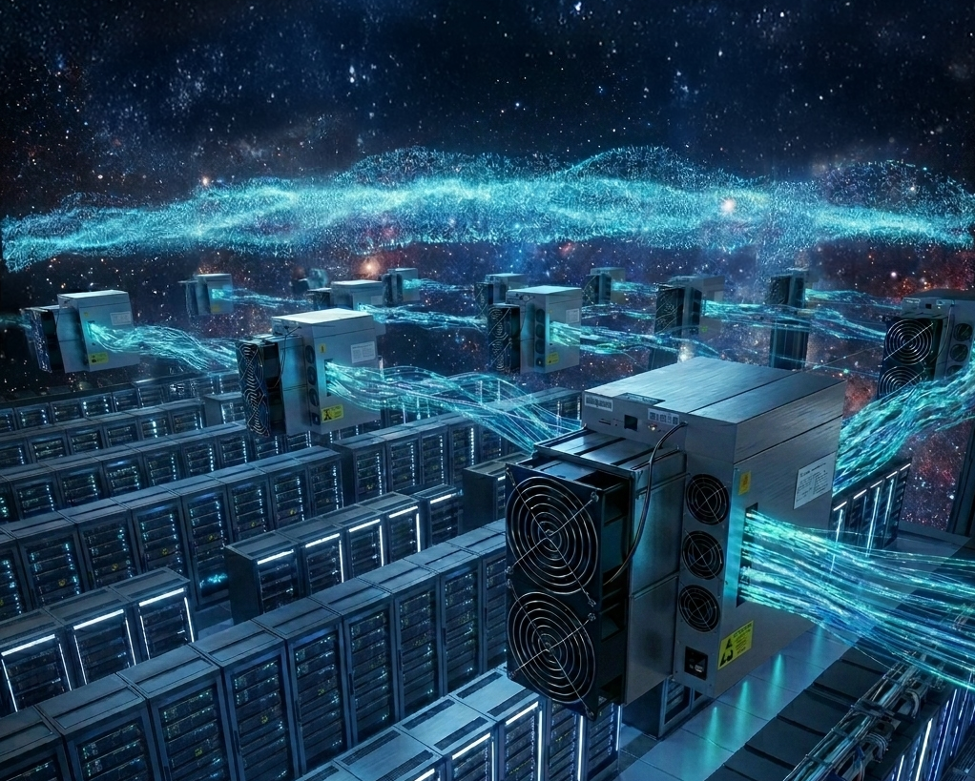
Bitcoin operates on a decentralized network where transactions are verified without the involvement of a central authority. This decentralized nature is what makes Bitcoin unique and at the core of this system lies a powerful foundation known as mining infrastructure.
Mining infrastructure is responsible for validating transactions, securing the blockchain, and maintaining the integrity of the entire network. It consists of high-performance computational systems designed to solve complex mathematical problems, a process essential for confirming transactions and adding new blocks to the blockchain.
At the heart of this infrastructure are ASIC (Application-Specific Integrated Circuit) machines. These machines are specifically engineered for mining and are significantly more efficient than traditional computing hardware. They perform billions of calculations per second, enabling the network to remain secure and operational.
However, modern Bitcoin mining is not just about machines.
It requires a complete ecosystem that includes:
- Reliable and continuous power supply
- Advanced cooling systems (including air and hydro cooling technologies)
- Secure and monitored hosting environments
- Real-time performance tracking and system optimization
Because of these requirements, mining has evolved into an industrial-scale digital infrastructure industry rather than an individual activity.
Today, large-scale mining facilities operate thousands of ASIC machines simultaneously within professionally managed data centers. These environments are designed to maximize efficiency, reduce downtime, and ensure stable performance under continuous load. For most individuals, building and managing such infrastructure independently is not practical. The cost, technical complexity, and operational demands create a significant barrier to entry. This is where infrastructure-based platforms are playing a key role in transforming accessibility.
Platforms like MinersMe focus on providing structured access to real mining infrastructure. Instead of requiring users to set up and manage their own systems, MinersMe connects users to professionally managed environments where mining operations are already optimized.
The approach is centered around:
- Access to real ASIC-powered mining systems
- Managed infrastructure with professional maintenance
- Secure hosting environments with monitoring
- Scalable participation models based on user requirements
By focusing on infrastructure rather than just interface, platforms like MinersMe are helping bridge the gap between complex mining systems and user accessibility.
Learn more about digital mining infrastructure: https://minersme.com
This shift reflects a broader trend in the digital economy moving from ownership of physical systems to access-based infrastructure models.
Similar to how cloud computing transformed traditional IT, mining infrastructure platforms are redefining how individuals interact with blockchain networks.
Understanding mining infrastructure provides a deeper perspective on cryptocurrency. It highlights that beyond trading and speculation, there exists a robust technological backbone powering the entire ecosystem.
As the industry continues to evolve, infrastructure-driven models are expected to play an increasingly important role in shaping the future of digital mining.