


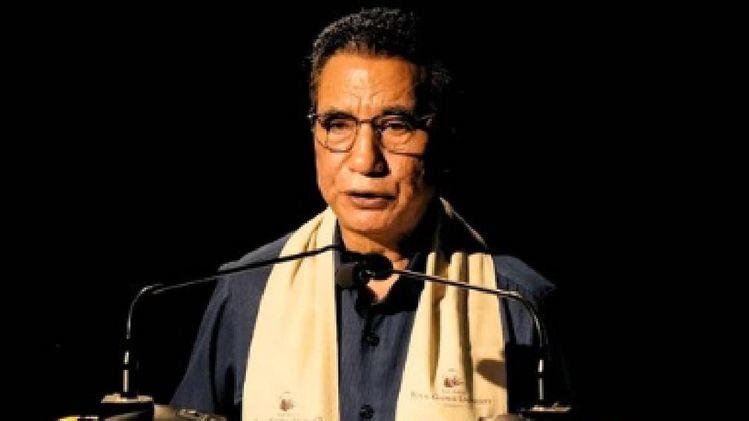
Mizoram Chief Minister Lalduhoma met NITI Aayog Member Dr Joram Aniya in Aizawl on September 21 to discuss key development priorities for the state. The meeting focused on tourism, ginger processing, connectivity and innovation in schools. Both sides also discussed ways to strengthen cooperation between Mizoram and NITI Aayog.
The meeting came as Dr Joram Aniya visited Mizoram to attend the NITI Aayog Regional Workshop on the North Eastern Region. Lalduhoma welcomed the NITI Aayog member and highlighted the importance of continued policy support for the state’s development plans.
Lalduhoma Seeks Continued NITI Aayog Support
During the meeting, Lalduhoma appreciated NITI Aayog’s attention to issues raised by Mizoram. He said the state would continue to need the policy think tank’s support and cooperation to turn its development priorities into concrete outcomes.
Dr Joram Aniya assured the Chief Minister that NITI Aayog would continue working closely with Mizoram. The two sides discussed initiatives that could support economic growth and improve development outcomes across different sectors.
The discussion also reflected Mizoram’s effort to build stronger links with national institutions. The state government has been seeking greater policy support for sectors that can create jobs, increase incomes and improve connectivity.
Tourism and agriculture formed two important parts of the latest discussion.
Tourism Promotion Takes Centre Stage
Lalduhoma and Aniya discussed ways to attract more tourists to Mizoram. The state has significant potential for nature, community and cultural tourism.
Mizoram’s hills, forests, villages and local traditions offer opportunities for tourism-based economic activity. The government has also highlighted community participation as an important part of its tourism model.
At a NITI Aayog regional meeting earlier this year, Lalduhoma highlighted Mizoram’s community-based tourism approach. He said self-help groups and local communities play an important role in the model. He also noted that tourist arrivals had increased significantly over the previous four years.
The latest meeting therefore placed tourism within the state’s broader development strategy. Greater tourist activity could support local businesses, transport services, accommodation providers and community enterprises.
The government is also looking at ways to improve connectivity so tourists can reach more destinations across Mizoram.
Kaladan Project Could Boost Connectivity
The effective use of the Kaladan Multi-Modal Transit Transport Project (KMMTTP) also featured in the discussions. The project has strategic importance for Mizoram because it can provide an alternative connectivity route through Myanmar to the Bay of Bengal.
The two sides discussed how Mizoram could make effective use of the project once it becomes operational. Better connectivity could support tourism, trade and the movement of goods.
For a landlocked state such as Mizoram, transport links remain an important development issue. Improved connectivity can reduce logistical challenges and open opportunities for businesses and producers.
The KMMTTP could therefore complement efforts to expand tourism and strengthen agricultural value chains.
Focus on Ginger Processing and Value Addition
Ginger processing emerged as another major topic during the meeting. Mizoram has a large ginger-growing sector, and the state wants to increase the value of its produce through processing.
NITI Aayog declared Mizoram the “Ginger Capital of India” in 2025. The recognition highlighted the state’s strong position in ginger production.
Lalduhoma’s government has since focused on processing and value addition. The aim is to move beyond the sale of raw ginger and develop more processed products.
Processing can create additional economic opportunities for farmers and local enterprises. It can also support storage, packaging, marketing and wider distribution.
The Chief Minister has previously linked the Ginger Capital recognition with the work of Mizoram’s farmers. In January, he inaugurated a ginger processing unit at the Sairang Horticulture Centre near Aizawl.
The latest discussions with NITI Aayog indicate that the state wants to further strengthen this sector.
Building a Stronger Ginger Value Chain
Greater processing capacity can help Mizoram develop a more complete ginger value chain. Farmers can supply raw produce to collection centres, while processing units can convert it into products with longer shelf life and wider market potential.
The state has already taken steps to develop processing facilities and improve marketing systems. Continued investment could help local producers access larger markets.
The focus on value addition also fits into Mizoram’s wider effort to strengthen horticulture. The state has a largely agrarian economy, and agricultural processing can create opportunities beyond primary cultivation.
Earlier discussions between Lalduhoma and NITI Aayog officials also highlighted horticulture and the positive impact of the Ginger Capital recognition.
Innovation in Schools Also Discussed
The meeting also covered education and innovation. Lalduhoma and Aniya discussed expanding Atal Tinkering Labs to more schools across Mizoram.
Atal Tinkering Labs provide school students with spaces to explore science, technology, engineering and mathematics. Such facilities can encourage experimentation and problem-solving among young learners.
Mizoram’s push to expand these labs reflects a focus on innovation alongside traditional education. More schools could gain access to tools and activities that help students develop practical and creative skills.
The initiative could also support the state’s efforts to prepare students for future technology-driven industries.
Development Vision for Mizoram
The meeting brought together several sectors that form part of Mizoram’s development priorities. Tourism can support services and local employment. Ginger processing can strengthen agriculture and value addition. Better use of the Kaladan project can improve connectivity. School innovation can help develop future skills.
Lalduhoma has also spoken about the need for stronger institutions and clear development priorities. At a NITI Aayog regional workshop, he stressed the importance of data-led policymaking and improved delivery systems as Mizoram works towards its long-term development goals.
The state has set ambitious economic objectives for the coming decades. Better coordination with national institutions remains part of its strategy.
NITI Aayog Regional Workshop
Dr Joram Aniya’s visit to Aizawl comes as NITI Aayog engages with states across the Northeast. The regional workshop provides a platform to discuss development challenges and opportunities specific to the region.
Mizoram has used such platforms to raise issues related to tourism, agriculture, connectivity and institutional development. The latest meeting with Lalduhoma allowed the state to discuss these priorities directly with a NITI Aayog member.
The discussions also underline the importance of cooperation between state governments and national policy institutions in implementing development programmes.
Conclusion
Mizoram Chief Minister Lalduhoma and NITI Aayog Member Dr Joram Aniya discussed several key areas of the state’s development during their September 21 meeting in Aizawl. Tourism promotion, ginger processing, connectivity through the Kaladan project and expansion of Atal Tinkering Labs formed the main areas of discussion.
The focus on ginger processing comes after NITI Aayog recognised Mizoram as the “Ginger Capital of India”. The state now wants to increase value addition and strengthen opportunities for farmers and local businesses.
Tourism remains another important growth area. Meanwhile, better use of the Kaladan project could improve connectivity for trade and tourism.
Dr Aniya assured Lalduhoma of continued NITI Aayog cooperation. The latest meeting highlights Mizoram’s effort to combine tourism, agriculture, connectivity and education as it works towards its long-term development goals.