


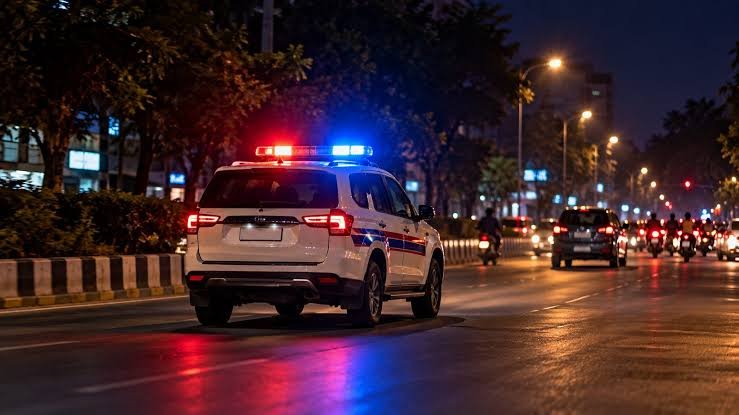
The Mizoram narcotics seizure operation recorded a major enforcement outcome in September 2026, with police recovering illegal drugs valued at ₹77.15 crore across the state. Mizoram Police also arrested 29 people in connection with 29 registered cases, including six Myanmar nationals. According to an official statement issued on October 26, the seized substances included methamphetamine, morphine, heroin, opium and ganja. The results highlight continuing efforts to curb drug trafficking and investigate networks operating across Mizoram and neighbouring regions.
Tripura Education Department Distributes Scooties to Meritorious Female Students
Mizoram Narcotics Seizure Operation Records Major Drug Recoveries
Mizoram Police reported seizures worth ₹77.15 crore following a series of anti-drug operations conducted during September. The operations covered different parts of the state and resulted in 29 cases. Police arrested 29 people during the enforcement actions, including six Myanmar nationals.
Methamphetamine accounted for the largest share of the total estimated value. Police recovered approximately 78.746 kilograms of the substance, valued at ₹62.99 crore. The quantity represented the most significant component of the month’s reported drug seizures.
In addition, officers seized 8.112 kilograms of morphine, valued at ₹8.11 crore. They also recovered 2.922 kilograms of heroin worth ₹5.84 crore. These three substances accounted for nearly all the reported value of the seized narcotics.
The police statement also listed 3.7 kilograms of opium, estimated to be worth ₹18.5 lakh, and 4.22 kilograms of ganja, valued at approximately ₹2.11 lakh. Together, these recoveries brought the reported total to ₹77.15 crore.
The figures represent the combined outcome of several enforcement actions rather than one large seizure at a single location. Therefore, the total reflects the range of cases registered during September.
Moreover, the estimated values refer to the amounts reported by the police. They should not be interpreted as the proceeds earned by any particular individual or as a confirmed financial loss. Investigations must establish the circumstances surrounding each seizure and the alleged involvement of those arrested.
The results demonstrate the scale of the enforcement activity reported for the month. However, authorities still need to investigate the cases, gather evidence and pursue the appropriate legal procedures.
Methamphetamine Accounts for the Largest Share of Seized Drugs
Methamphetamine represented the largest category in Mizoram Police’s September seizure report. Officers recovered 78.746 kilograms, with an estimated value of ₹62.99 crore. The quantity and valuation made it the dominant component of the reported haul.
Morphine and heroin formed the next largest categories by reported value. Police seized 8.112 kilograms of morphine worth ₹8.11 crore and 2.922 kilograms of heroin worth ₹5.84 crore. Meanwhile, smaller quantities of opium and ganja added to the total.
The different substances require separate investigation and evidence handling. Police must document each recovery, establish the circumstances of the seizure and determine whether the evidence connects a suspect to an alleged offence.
The reported figures also show why enforcement agencies monitor several categories of narcotics rather than concentrate on one substance. Different cases can involve different locations, suspects and circumstances. Consequently, a combined monthly report provides a broader picture of the substances recovered during police action.
Nevertheless, seizure quantities alone do not reveal the full structure of a trafficking network. Investigators must determine where the substances originated, who allegedly handled them and whether the cases share any connections. Such findings require evidence rather than assumptions based solely on the location of a recovery.
The estimated value of a seizure can also vary according to the valuation method used by authorities. Therefore, the reported figures provide an official estimate of the recovered substances, not a guaranteed measure of their value in every market.
Champhai and Saitual Feature in Major Seizures
Mizoram Police reported significant methamphetamine recoveries in Champhai and Saitual districts. In Champhai, officers seized 25.646 kilograms of methamphetamine during one of the month’s cases. The district also recorded a recovery of 3.7 kilograms of opium.
Saitual district recorded two substantial methamphetamine seizures. Police reported recovering 18.194 kilograms in one case and 12.746 kilograms in another. These separate recoveries formed an important part of the September total.
Another case involved the recovery of 8.946 kilograms of methamphetamine, 3.087 kilograms of morphine and 50 grams of heroin. The combined recovery shows that some cases involved more than one type of narcotic.
Elsewhere, police seized 1.618 kilograms of heroin in Kolasib district. Officers also recovered 4.22 kilograms of ganja in Lawngtlai district.
These district-level details indicate that enforcement actions took place across multiple areas. However, they do not establish that every case involved the same people or a single coordinated network. Police must investigate each incident separately before identifying any wider connections.
The distribution of seizures also highlights the importance of coordination among district police units. Sharing relevant information can help investigators compare evidence, identify possible links and follow up on cases that extend beyond one district.
At the same time, authorities need to ensure that each investigation meets legal requirements. Arrests and seizures mark important stages in an investigation, but courts determine criminal responsibility through the judicial process.
Police Seek Public Cooperation to Counter Drug Trafficking
Following the September operations, Mizoram Police appealed to residents to share information about suspected drug trafficking. The department encouraged cooperation with government authorities, village councils, the Young Mizo Association (YMA) and non-governmental organisations.
Community cooperation can support lawful enforcement efforts by helping authorities receive relevant information about suspected criminal activity. Local organisations can also help communicate public-safety messages and encourage residents to seek assistance from the appropriate authorities.
However, allegations require careful verification. Authorities must assess information, gather supporting evidence and follow established procedures before taking action against a suspect. Public cooperation should complement professional investigations rather than replace them.
Mizoram’s location near international borders makes cross-border coordination an important consideration in drug-related investigations. The presence of Myanmar nationals among those arrested also points to the cross-border dimension of some cases. However, nationality alone does not establish a person’s role in an alleged offence, and investigators must assess each case on its evidence.
Police have described the seizures as part of continuing efforts to curb narcotics trafficking. The department has also called for stronger and sustained action against the trade.
Going forward, the effectiveness of these efforts will depend on consistent enforcement, sound investigations and cooperation between relevant authorities and communities. Accurate case records and timely legal proceedings will also remain important in ensuring accountability.
Conclusion
The Mizoram narcotics seizure operation resulted in reported drug recoveries worth ₹77.15 crore during September 2026. Mizoram Police registered 29 cases and arrested 29 people, including six Myanmar nationals. Methamphetamine accounted for the largest share of the seizures, followed by morphine and heroin, while officers also recovered opium and ganja.
District-level reports identified significant recoveries in Champhai and Saitual, alongside seizures in Kolasib and Lawngtlai. These cases formed part of a wider series of enforcement actions across the state. Nevertheless, the combined figures do not establish that every seizure involved the same trafficking network. Investigators must determine the facts and alleged connections in each case.
Mizoram Police has urged residents and community organisations to share relevant information with the authorities. Continued cooperation, careful investigation and due legal process will remain important as police pursue the cases. Further findings may clarify the origins of the seized substances and the roles of those accused.
FAQs
1. How much contraband did Mizoram Police seize during September 2026?
Mizoram Police reported narcotics seizures valued at ₹77.15 crore during September 2026 across multiple cases in the state.
2. How many people did police arrest?
Police reported 29 arrests in connection with 29 cases. The group included six Myanmar nationals.
3. Which drug accounted for the largest share of the seizures?
Methamphetamine accounted for the largest share. Police recovered approximately 78.746 kilograms, valued at ₹62.99 crore.
4. Which districts recorded significant recoveries?
Champhai and Saitual recorded major methamphetamine recoveries. Police also reported seizures of heroin in Kolasib and ganja in Lawngtlai.
5. How can residents help address drug trafficking?
Mizoram Police has urged residents to share relevant information with government authorities, village councils, the Young Mizo Association and NGOs. Authorities must verify information and follow legal procedures when investigating allegations.