


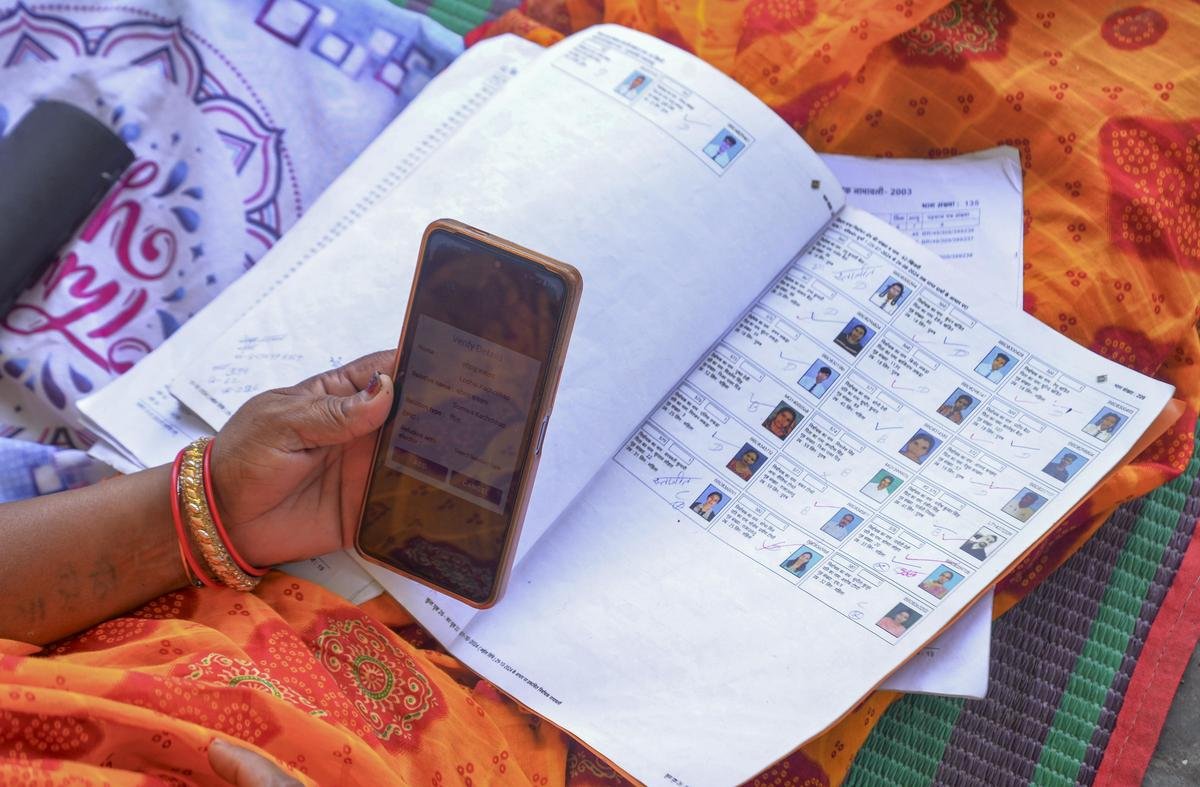
Mizoram’s Mizoram SIR Registration Resistance revealed an unusual challenge during the Special Intensive Revision of electoral rolls. In some pockets, residents expressed concerns about registration because of beliefs surrounding digital identification and tracking numbers. Consequently, some eligible residents chose not to enrol in the electoral roll.
The issue emerged alongside the completion of the revision exercise, which ultimately produced a final electoral roll containing 8,35,869 electors. However, the resistance highlighted the social and cultural factors that can influence participation in electoral registration.
Why Choosing an Authorised Tata Dealer Matters for Your Car Buying and Ownership Journey
Mizoram SIR Registration Resistance Highlights Unusual Concerns
The Mizoram SIR Registration Resistance emerged in selective communities during the electoral-roll revision process. Reports indicated that some residents held beliefs that registering through modern identification systems could conflict with their religious or spiritual views.
Therefore, the reluctance did not stem from a single administrative objection. Instead, it reflected a combination of community beliefs and concerns about participation in formal identification and electoral systems.
Moreover, the development shows that electoral-roll exercises can encounter challenges beyond documentation and verification. Authorities must also communicate clearly with communities when unfamiliar digital processes create uncertainty.
The Special Intensive Revision involved extensive verification and updating of voter records across Mizoram. Consequently, officials had to address different concerns while working toward a more accurate electoral database.
Digital Identification Concerns Affect Electoral Registration
The Mizoram SIR Registration Resistance also drew attention to concerns surrounding digital identification numbers. Some residents reportedly associated these numbers with tracking or surveillance, creating hesitation about electoral enrolment.
However, such beliefs should be distinguished from the formal purpose of electoral-roll registration. Electoral authorities use voter-registration information to maintain electoral records and establish eligibility for participation in elections.
Furthermore, clear public communication can help residents understand what information authorities collect and why it is required. Such communication can be particularly important when digital systems become part of administrative processes.
Meanwhile, Mizoram’s final electoral roll recorded 8,35,869 electors after the SIR. The figure represented a net increase of 6,963 voters over the draft roll.
Religious Beliefs Become Part of Registration Debate
The Mizoram SIR Registration Resistance became more visible after members of the “Delete Church” informed Mizoram’s Chief Electoral Officer that they did not want their names included in the electoral roll. The group cited religious beliefs and said electoral participation was incompatible with its spiritual position.
Therefore, the development involved more than concerns about technology alone. It also demonstrated how religious convictions can influence an individual or community’s approach to government institutions and electoral participation.
Nevertheless, electoral registration remains an important part of democratic participation for eligible citizens. People who choose not to register because of personal beliefs may consequently remain outside the formal electorate.
Additionally, the episode illustrates the importance of distinguishing individual or community choices from broader conclusions about Mizoram’s population. The reported resistance occurred in selective pockets and does not represent the position of the entire state.
Final Electoral Roll Reflects Broader SIR Changes
The Mizoram SIR Registration Resistance occurred within a much larger revision exercise. Authorities added 39,243 electors and removed 32,280 names during the claims-and-objections stage, resulting in a net increase of 6,963 voters.
The final roll therefore provides an updated electoral database after officials processed claims, objections and other changes. Moreover, the exercise demonstrated how electoral rolls can change considerably during detailed verification.
The resistance over digital identification adds another dimension to the revision process. While authorities focused on verifying voter records, some communities raised concerns rooted in their own beliefs.
Consequently, effective voter-registration campaigns require both administrative efficiency and clear public outreach. Explaining registration procedures in accessible language can help reduce confusion while allowing citizens to make informed decisions.
The issue also highlights the importance of respecting lawful individual choices while ensuring that eligible citizens understand the consequences of remaining outside the electoral roll.
Conclusion
The Mizoram SIR Registration Resistance highlights an unusual social challenge that emerged during the state’s electoral-roll revision. Some residents in selective pockets reportedly avoided registration because of religious beliefs and concerns surrounding digital identification and tracking.
However, the development should not be treated as representative of Mizoram as a whole. The final electoral roll still recorded 8,35,869 electors, demonstrating that the wider SIR exercise proceeded across the state.
FAQs
1. What is Mizoram SIR Registration Resistance?
It refers to reported reluctance among some residents to participate in electoral registration because of religious beliefs and concerns associated with digital identification systems.
2. Why did some residents avoid electoral registration?
Reports said some residents believed participation in the electoral system or digital identification conflicted with their religious or spiritual beliefs.
3. Did the resistance occur across all of Mizoram?
No. Reports describe the issue as affecting selective communities or pockets rather than the entire state.
4. How many electors are in Mizoram’s final roll?
The final electoral roll contains 8,35,869 electors.
5. Did the SIR increase Mizoram’s electorate?
Yes. The final roll increased by 6,963 electors compared with the draft roll.
Alt Text: Residents in parts of Mizoram express religious and digital-identification concerns during the Special Intensive Revision of electoral rolls.
Tags: Mizoram SIR, Electoral Registration, Mizoram Elections, Voter Registration