


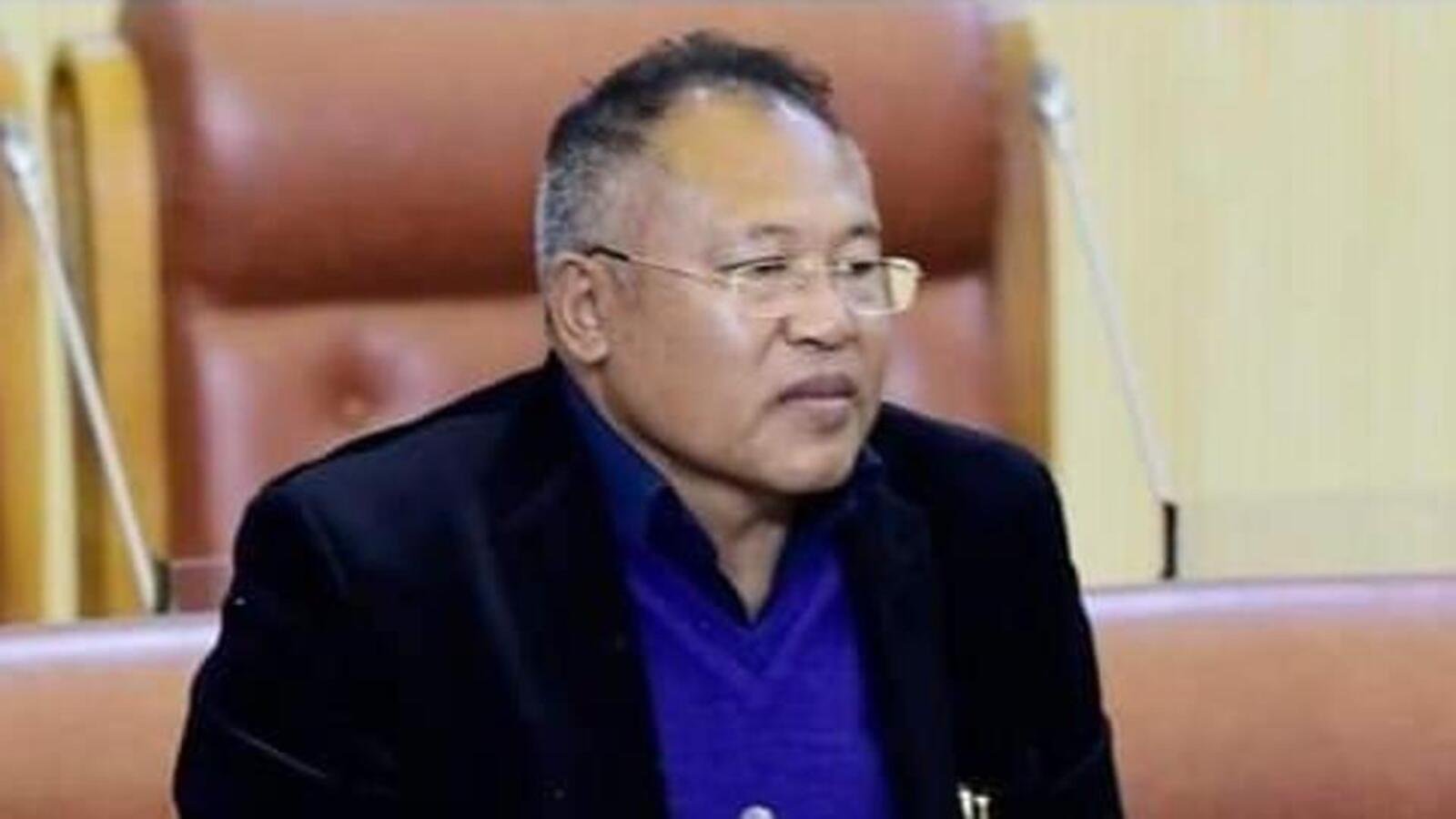
The Naga-Dominated Areas Boycott has emerged as a significant political development in Manipur after residents in Naga-majority areas reportedly opposed the proposed tour of the state Chief Minister. The development has highlighted continuing sensitivities surrounding political outreach, community representation, and administrative engagement in the region.
Sivasagar Floods: 50 Out of 95 Deaths Reported in One District
A Chief Minister’s visit can provide an opportunity to meet local residents, review government programmes, and discuss regional concerns. However, opposition from local communities can complicate such outreach and raise questions about the administration’s relationship with local stakeholders.
The reported boycott also underlines the importance of dialogue when political leaders visit areas with distinct community interests. The available information, however, does not specify the exact locations involved, the scale of the boycott, or whether the tour has been cancelled or postponed.
Naga-Dominated Areas Boycott Raises Political Concerns
The Naga-Dominated Areas Boycott has drawn attention to the political response in areas where Naga communities form a significant part of the population.
Local reactions to visits by senior political leaders can reflect concerns about representation, governance, security, or pending regional issues. Furthermore, community organisations and local bodies can influence how political outreach develops at the grassroots level.
The reported opposition therefore creates a sensitive environment for the proposed tour.
However, the available information does not identify the specific organisations that called for the boycott.
Naga-Dominated Areas Boycott Affects Chief Ministerial Outreach
The Naga-Dominated Areas Boycott could affect the Chief Minister’s plans to engage directly with communities in the region.
Official visits often involve meetings with local leaders, reviews of development projects, and discussions with residents. Moreover, a boycott can limit opportunities for face-to-face communication between the administration and sections of the local population.
Authorities may consequently need to reassess their outreach strategy.
However, the available information does not confirm whether any scheduled meetings have been formally cancelled.
Naga-Dominated Areas Boycott Highlights Community Representation
The Naga-Dominated Areas Boycott has brought questions of community representation into focus.
Naga-majority areas have distinct social, cultural, and political institutions that can influence local responses to government initiatives. Additionally, community leaders often play an important role in communicating regional concerns to state authorities.
Meaningful engagement can therefore require consultation with relevant local stakeholders.
However, the available information does not provide details about the demands or conditions associated with the reported boycott.
Naga-Dominated Areas Boycott Could Delay Political Dialogue
The Naga-Dominated Areas Boycott may create difficulties for immediate political dialogue between the state government and affected communities.
Direct discussions can help officials understand local concerns and explain government policies. Furthermore, postponing or changing a visit could delay opportunities to address issues through face-to-face engagement.
Maintaining communication channels can therefore become important.
However, the available information does not indicate whether alternative meetings or dialogue mechanisms have been proposed.
Naga-Dominated Areas Boycott Puts Local Issues in Focus
The Naga-Dominated Areas Boycott has also placed attention on the issues that influence political sentiment in the affected areas.
Communities may raise concerns involving development, administration, infrastructure, security, land, or political representation. Moreover, understanding the specific reasons behind a boycott can help authorities address legitimate grievances more effectively.
Accurate communication remains important in such a sensitive environment.
However, the available information does not specify the particular issues that prompted the reported boycott.
Naga-Dominated Areas Boycott Raises Questions About Tour Plans
The Naga-Dominated Areas Boycott could influence the scheduling and format of the Chief Minister’s proposed tour.
Security assessments, local consultations, and logistical arrangements can all affect visits to sensitive areas. Additionally, authorities may need to coordinate with local representatives before proceeding with public programmes.
These considerations can become particularly important when sections of the community oppose a visit.
However, the available information does not confirm whether the Chief Minister has changed the itinerary.
Naga-Dominated Areas Boycott Tests Government Outreach
The Naga-Dominated Areas Boycott presents a challenge for the government’s efforts to maintain political and administrative outreach across Manipur.
Reaching communities with different political perspectives requires sustained engagement and sensitivity to local concerns. Furthermore, dialogue can help prevent misunderstandings and provide opportunities for authorities to explain development and administrative decisions.
Constructive engagement may therefore remain essential.
However, the available information does not identify any formal government response to the boycott.
Naga-Dominated Areas Boycott Highlights Need for Dialogue
The Naga-Dominated Areas Boycott demonstrates the importance of dialogue between state authorities and local communities.
Government representatives can use consultations to understand concerns before major visits take place. Moreover, involving recognised local stakeholders can create greater opportunities for constructive engagement.
Such communication can help reduce tensions surrounding political outreach.
However, the available information does not confirm whether discussions have taken place between government officials and representatives of the affected communities.
Naga-Dominated Areas Boycott Could Affect Development Outreach
The Naga-Dominated Areas Boycott may also affect the government’s ability to publicly review development projects in the region.
Chief Ministerial visits can provide visibility to infrastructure, welfare, healthcare, education, and other government initiatives. Additionally, local engagement can help officials identify gaps in implementation.
If visits change, authorities may need alternative ways to maintain communication with residents.
However, the available information does not specify which development projects were included in the proposed tour.
Naga-Dominated Areas Boycott Requires Careful Handling
The Naga-Dominated Areas Boycott requires authorities to balance political outreach with community concerns and public order considerations.
A measured approach can help maintain communication while avoiding unnecessary escalation. Furthermore, transparent information about the tour and its objectives can help reduce uncertainty among residents.
Continued engagement could remain important regardless of whether the original itinerary proceeds.
However, the available information does not provide details about any security arrangements associated with the proposed visit.
Conclusion
The Naga-Dominated Areas Boycott has emerged after residents in Naga-majority areas reportedly opposed the proposed tour of the Manipur Chief Minister. The development has highlighted the challenges involved in political outreach across communities with distinct regional interests.
Moreover, dialogue with local representatives and transparent communication can help authorities understand concerns and maintain administrative engagement. However, the available information does not specify the exact areas involved, the organisations behind the boycott, its specific demands, or whether the Chief Minister’s tour has been cancelled or postponed.
Overall, the Naga-Dominated Areas Boycott underscores the importance of sustained community engagement in Manipur. A careful and consultative approach could help create space for dialogue while allowing the administration to address local development and governance concerns.
FAQs
1. What is the Naga-Dominated Areas Boycott?
It refers to reported opposition from residents in Naga-majority areas toward the proposed tour of the Manipur Chief Minister.
2. Why are communities opposing the tour?
The specific reasons behind the reported boycott have not been provided in the available information.
3. Has the Chief Minister cancelled the tour?
The available information does not confirm whether the tour has been cancelled or postponed.
4. Which areas are involved?
The specific Naga-majority areas involved have not been identified in the information provided.
5. How could the government respond?
Dialogue with local representatives, transparent communication, and continued community engagement could help address concerns surrounding the proposed visit.