


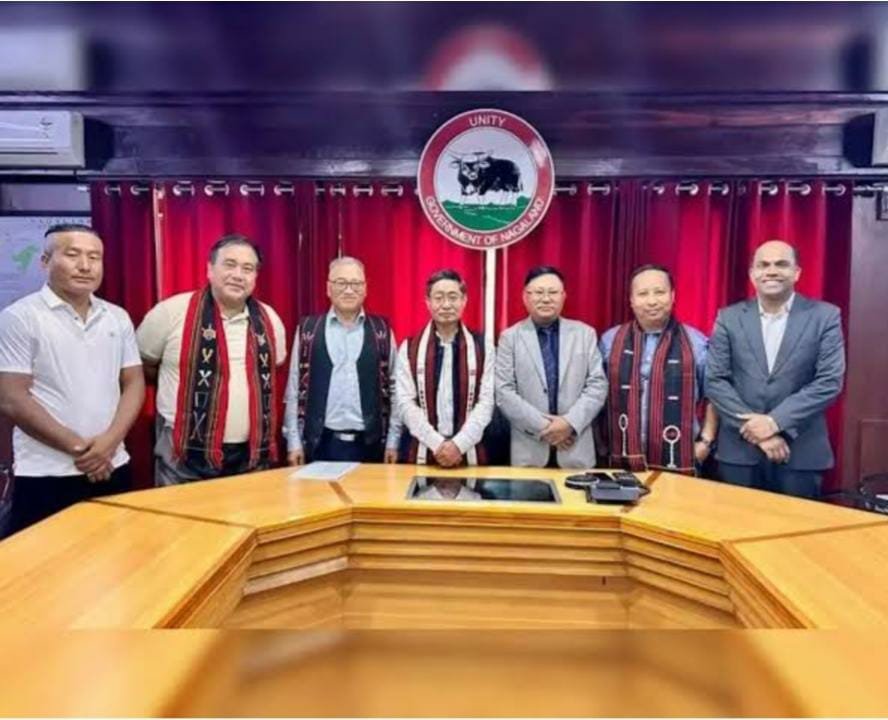
In a decisive move, Naga tribal bodies reject RRC (Reservation Review Commission) formed by the Nagaland government, citing bias due to the inclusion of civil society organization (CSO) members. The five major tribal groups—Sumi, Ao, Lotha, Angami, and Rengma—have issued a joint statement demanding an independent panel as originally promised in prior government agreements.
With Independence Day 2025 approaching, tensions have escalated, and these tribal bodies have warned of boycotting government functions if their demands are not addressed.
Why Naga Tribal Bodies Reject RRC Formation
The Reservation Review Commission (RRC) was constituted by the Nagaland government earlier this year to review the existing quota structure in government jobs and higher education institutions. The demand for such a review has been brewing for years due to growing perceptions of imbalance and inequity among the state’s many tribal groups.
However, tribal apex bodies argue that the current RRC—comprising representatives from civil society organizations—lacks neutrality. They claim these members have vested interests, which could skew the recommendations in favor of certain tribes or political alliances.
In a joint statement, the five tribal bodies expressed that the RRC, as currently constituted, “betrays the trust and spirit of consensus” that guided earlier agreements on reservation reviews. The statement emphasized their insistence on an independent commission made up of neutral experts and government representatives, free from civil society or politically affiliated individuals.
What Are the Demands?
The tribal bodies have put forth a clear set of demands:
- Immediate reconstitution of the RRC as an independent panel.
- Strict adherence to prior agreements signed between tribal bodies and the government.
- Implementation of commission recommendations within six months.
- A warning that failure to comply will lead to boycotts of all government-led programs, including the state’s participation in Independence Day functions.
These bodies also reaffirmed that the reservation issue is not merely administrative but deeply tied to ethnic identity, opportunity, and historical grievances among Nagaland’s diverse tribal population.
Political and Public Reactions
The standoff has drawn sharp reactions from various corners of Nagaland’s political and civic landscape.
Opposition parties in the state have urged the government to revisit the commission’s composition in light of “widening tribal rifts.” Meanwhile, several student unions and local youth organizations have expressed solidarity with the five tribes, stating that inclusion of CSOs undermines transparency and public confidence.
On the other hand, some civil society groups argue that their presence is essential to maintaining grassroots representation in such a critical review process.
What Happens Next?
With Independence Day around the corner, the clock is ticking for the Nagaland government to defuse tensions. Whether through negotiation, restructuring the RRC, or delaying the commission’s work, the government must tread carefully to avoid deepening ethnic fault lines.
Failure to act decisively could result in administrative paralysis, growing inter-tribal mistrust, and a major blow to the state’s peace-building efforts, which have been fragile for decades.
Stay Informed, Stay Engaged
This story is developing—and you can be a part of the change. Whether you’re a student, policymaker, or concerned citizen, it’s vital to stay updated on tribal governance issues in Northeast India.
READ MORE: Pijush Hazarika Bats for Revival of Assam’s Water Bodies