


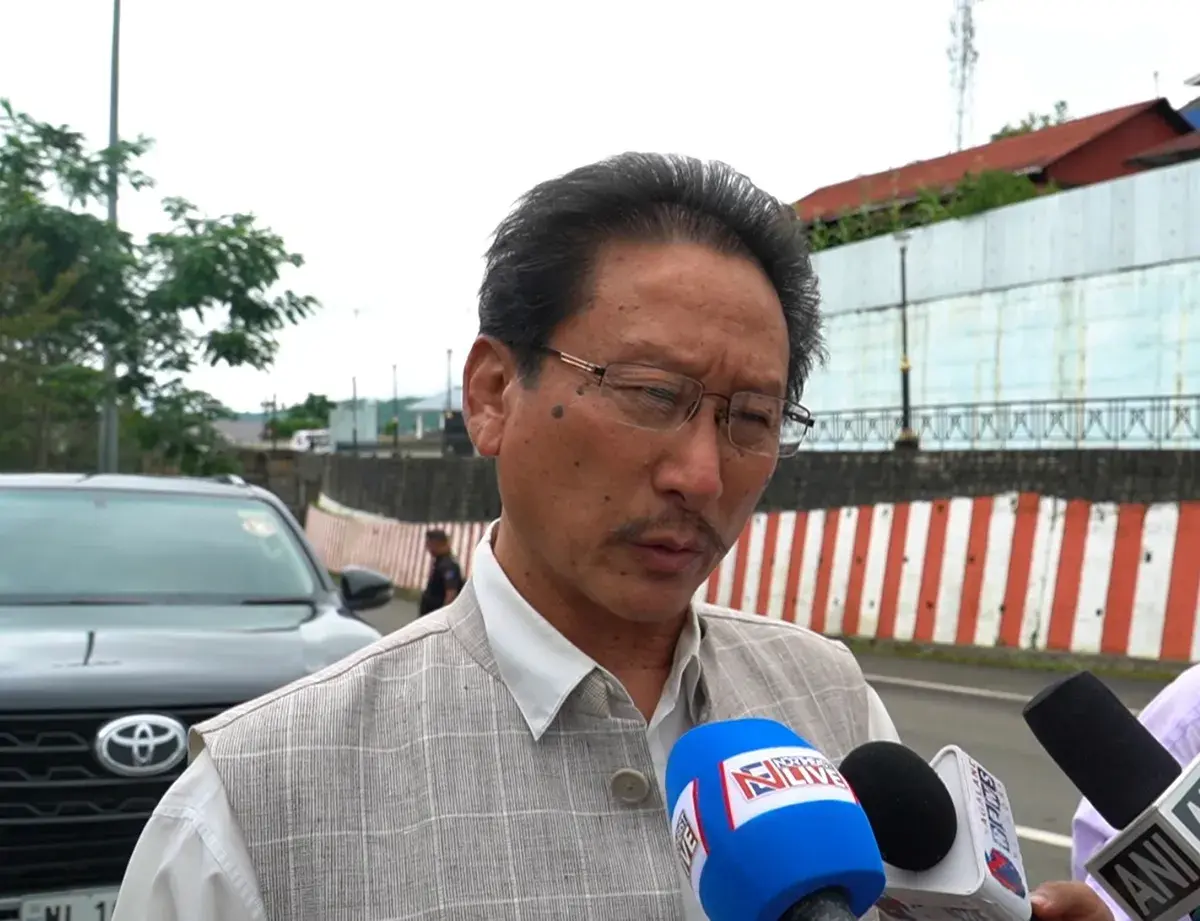
The Nagaland Peace Talks Kohima process has entered another phase as high-level interlocutors reportedly arrived in Kohima for a fresh round of discussions on the long-running Naga political issue. The meetings signal continued efforts to maintain dialogue between stakeholders and work toward a political settlement.
Tripura Village Elections: Tribal Autonomous District Council Announces Polls for Late September
The Nagaland Peace Talks Kohima discussions carry significance because the Naga political issue involves multiple stakeholders and has remained a major political concern in the Northeast for decades. Moreover, sustained negotiations can provide an avenue for addressing differences through dialogue rather than confrontation.
The latest discussions are expected to focus on political issues, existing agreements, and possible pathways toward a mutually acceptable settlement. Therefore, the participation of senior representatives could help maintain momentum in the negotiation process.
The talks also highlight the importance of consultation with Naga civil society and political stakeholders. Additionally, continued communication can help address differences that have complicated the search for a comprehensive settlement.
Nagaland Peace Talks Kohima Resume Political Dialogue
The Nagaland Peace Talks Kohima meetings bring senior interlocutors and representatives together for another round of discussions.
Moreover, negotiations over the Naga political issue have involved several rounds of dialogue over the years. Consequently, each new meeting can provide an opportunity to review outstanding matters and explore areas of agreement.
The process involves complex political questions concerning identity, governance, security, and the aspirations of Naga communities. Furthermore, different stakeholders have expressed varying views on the terms and scope of a potential settlement.
The latest round therefore carries importance for maintaining direct communication among the parties. However, the available information does not establish whether the discussions have produced any new agreement.
Nagaland Peace Talks Kohima Focus on a Possible Settlement
The Nagaland Peace Talks Kohima process continues to centre on finding a political solution to longstanding Naga concerns.
Additionally, negotiators must address differences among multiple stakeholders while considering constitutional and administrative frameworks. Therefore, reaching an acceptable settlement requires sustained dialogue and careful political negotiation.
The participation of high-level interlocutors can help maintain communication between the negotiating sides. Meanwhile, political leaders and civil society organisations can play an important role in expressing local concerns and expectations.
A successful settlement would require broad acceptance among relevant stakeholders. Consequently, negotiators face the challenge of balancing different interests while developing a framework that can receive wider support.
Nagaland Peace Talks Kohima Highlight Role of Stakeholders
The Nagaland Peace Talks Kohima discussions also carry significance for communities across Nagaland and other areas with Naga populations.
Moreover, civil society organisations, tribal bodies, political parties, and community leaders have historically contributed to discussions surrounding the Naga political issue. As a result, their perspectives can influence public acceptance of any future settlement.
The state government can also play an important role in facilitating dialogue and maintaining public confidence. Furthermore, transparent communication can help reduce uncertainty surrounding the negotiation process.
At the same time, negotiators must manage expectations because complex political settlements can require extended discussions. Therefore, progress may depend on sustained engagement rather than a single round of meetings.
Conclusion
The Nagaland Peace Talks Kohima process has gained fresh attention as high-level interlocutors reportedly arrived in Kohima for another round of discussions concerning the Naga political issue.
Furthermore, continued negotiations provide an important platform for addressing longstanding political concerns through dialogue. The involvement of multiple stakeholders will remain essential as negotiators work toward a settlement that can secure broader acceptance.
Overall, the Nagaland Peace Talks Kohima underline the continuing importance of political dialogue, consultation, and sustained engagement in efforts to resolve the Naga political issue.
FAQs
1. What are the Nagaland Peace Talks Kohima?
The Nagaland Peace Talks Kohima refer to negotiations and discussions concerning the longstanding Naga political issue, involving relevant political stakeholders and interlocutors.
2. Why are the latest talks important?
The new round provides an opportunity to review unresolved issues, maintain dialogue, and explore possible pathways toward a political settlement.
3. Who are the key stakeholders?
The process can involve Naga political groups, government representatives, civil society organisations, tribal bodies, and other relevant stakeholders.
4. Has a new agreement been reached?
The reported arrival of interlocutors indicates another round of discussions, but it does not by itself confirm that a new political agreement has been reached.
5. What could help advance the peace process?
Sustained dialogue, consultation with stakeholders, political flexibility, and efforts to build broader public acceptance could support progress toward a settlement.