


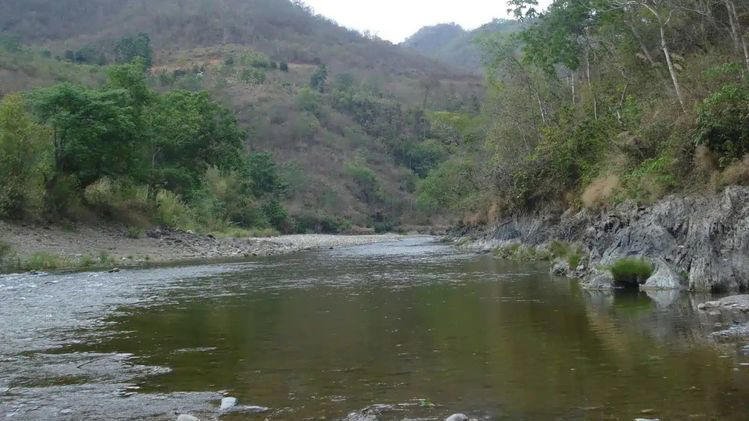
Nagaland has welcomed the Centre’s decision to declare the Tizu–Zungki river stretch as National Waterway-101, describing it as a significant step toward improving inland water connectivity and regional development. State officials said the move will open new avenues for trade, transport, and economic growth in Nagaland and the wider Northeast.
Read More: Tripura Agar Industry Eyes Rs 2,000 Cr Turnover
The declaration brings the Tizu–Zungki river under the national inland waterways framework. Authorities believe this recognition will help integrate Nagaland more closely with India’s inland water transport network while reducing logistical challenges.
The announcement on Tizu–Zungki National Waterway-101 has generated optimism among policymakers, business stakeholders, and local communities.
Boost to inland water transport
Officials said the declaration of Tizu–Zungki National Waterway-101 will strengthen inland water transport options in Nagaland. Until now, the state has relied heavily on road connectivity, which faces challenges due to difficult terrain.
Inland waterways offer a cost-effective and environmentally friendly mode of transport. Authorities said river-based transport can reduce pressure on roads and lower logistics costs.
The Tizu–Zungki National Waterway-101 is expected to support movement of goods and passengers in a more efficient manner.
Strategic importance for Nagaland
The Tizu and Zungki rivers flow through key areas of Nagaland. Their inclusion as a national waterway enhances the state’s strategic connectivity.
Officials said the new status will help Nagaland tap into regional trade routes. Improved river connectivity can link local producers with larger markets.
The declaration of Tizu–Zungki National Waterway-101 strengthens Nagaland’s role in Northeast connectivity initiatives.
Economic opportunities and trade
State officials said the national waterway status will create new economic opportunities. Improved transport access can benefit agriculture, forestry, and small industries.
Local producers may find it easier to move goods at lower costs. This advantage can improve competitiveness and encourage investment.
The Tizu–Zungki National Waterway-101 may also support cross-border trade in the long term, given Nagaland’s proximity to international boundaries.
Support for regional development
The Centre’s decision aligns with broader efforts to promote balanced regional development. Inland waterways form a key component of this strategy.
Officials said the declaration reflects growing attention to the Northeast’s infrastructure needs. Improved connectivity remains central to unlocking the region’s potential.
The Tizu–Zungki National Waterway-101 fits into national plans to expand inland water transport across India.
Environmental and sustainability benefits
Inland waterways offer environmental advantages compared to road transport. Officials said river transport consumes less fuel and produces lower emissions.
The Tizu–Zungki National Waterway-101 can support sustainable development goals by promoting greener transport options.
Authorities said development will follow environmental safeguards to protect river ecosystems and surrounding communities.
Infrastructure development and planning
The national waterway status will allow for systematic planning and infrastructure development. This includes navigation aids, terminals, and safety systems.
Officials said feasibility studies and surveys will guide future investments. Development will proceed in phases based on technical assessments.
The Tizu–Zungki National Waterway-101 will require coordination between central and state agencies to ensure effective implementation.
Employment and livelihood impact
The development of inland waterways can create employment opportunities. Construction, operations, and maintenance activities will generate jobs.
Local communities may benefit from related services such as transport, storage, and tourism. Officials said skill development will remain important.
The Tizu–Zungki National Waterway-101 can support livelihood diversification in riverine areas.
Strengthening Northeast connectivity
The declaration adds another inland waterway to the Northeast’s growing connectivity network. The region already features several national waterways.
Officials said improved water transport complements road and rail infrastructure. Together, these networks enhance mobility and economic integration.
The Tizu–Zungki National Waterway-101 strengthens Nagaland’s link with neighbouring states and regional trade corridors.
State government response
Nagaland officials expressed appreciation for the Centre’s decision. They said the move reflects recognition of the state’s development needs.
The state government assured cooperation in planning and execution. Authorities said close coordination will ensure smooth progress.
The declaration of Tizu–Zungki National Waterway-101 has been described as a milestone for Nagaland’s infrastructure growth.
Way forward
Officials said the next steps involve detailed surveys and stakeholder consultations. Community participation will remain important during planning and execution.
The state aims to maximise benefits while addressing environmental and social considerations. Balanced development remains a priority.
As Nagaland welcomes the declaration of Tizu–Zungki National Waterway-101, expectations remain high. The move promises to enhance connectivity, support economic growth, and integrate the state more closely with national transport networks. With careful planning and sustained cooperation, the new national waterway could become a catalyst for long-term development in Nagaland and the Northeast.
Read More: Why Assam Can Attract Semiconductor Investment: CM