


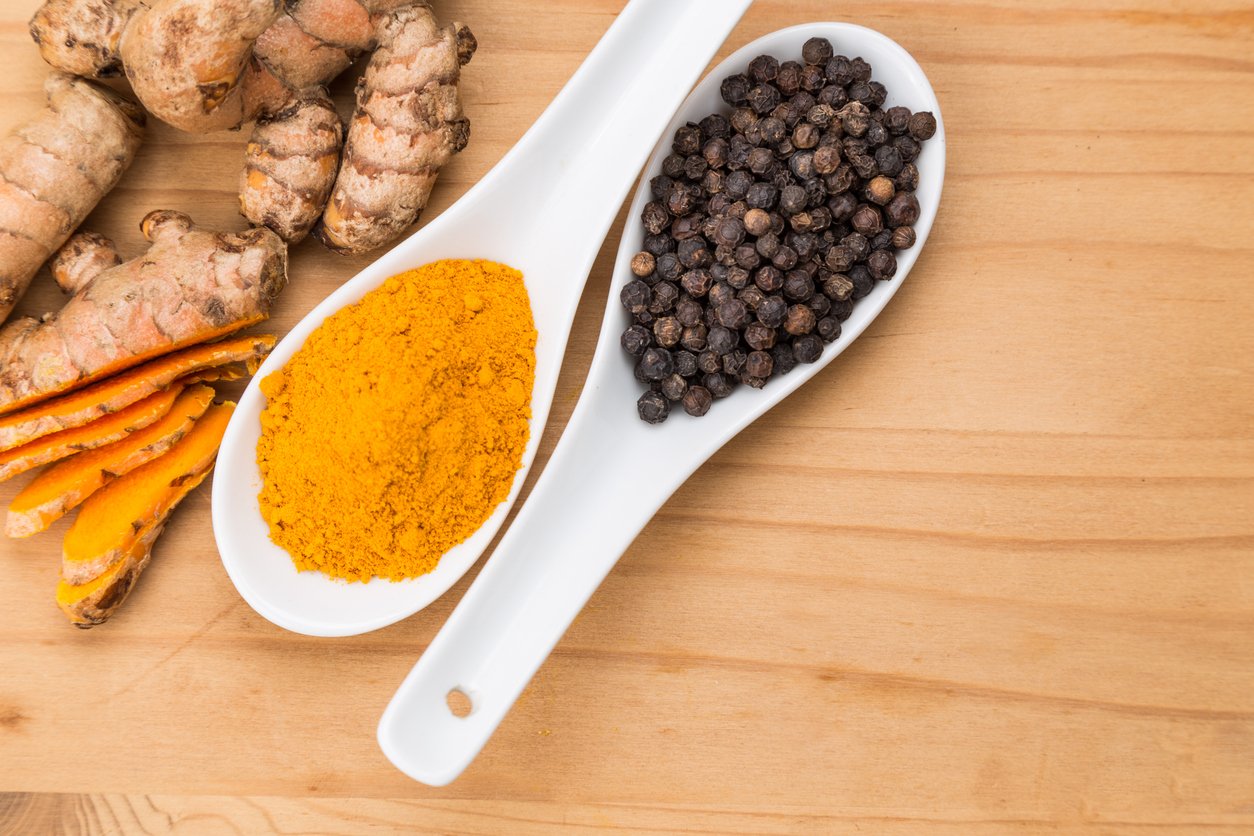
Northeast organic spice exports are attracting greater attention as European demand for certified, sustainably produced agricultural products creates new opportunities for farmers and processors across the region. European Union imports of organic spices and herbs increased by 14% in 2024, according to market research based on international trade data. However, this figure represents overall EU imports rather than exports originating specifically from Northeast India. The region has several promising products, including Meghalaya’s Lakadong turmeric, ginger, black pepper and chillies. Moreover, a newly inaugurated organic spice processing facility in Meghalaya is expected to strengthen quality control, processing capacity and access to international markets. These developments could help regional producers capture a larger share of demand for traceable, high-quality agricultural products.
Respiratory diseases in Mizoram: 721 deaths reported now
Northeast Organic Spice Exports Benefit From European Market Demand
European demand for organic food and sustainably produced ingredients offers opportunities for spice producers across Northeast India. Germany, the Netherlands and other European markets import organic spices and herbs for retail, food manufacturing and commercial food preparation.
Market research published by the Centre for the Promotion of Imports from developing countries indicates that EU imports of organic spices and herbs rose by 14% in 2024. The increase followed a period of pressure on organic food consumption, when inflation encouraged some consumers to choose conventional products over higher-priced organic alternatives.
However, the European market remains competitive. Suppliers must meet requirements relating to product quality, food safety, traceability and organic certification. Therefore, Northeast Indian producers need reliable processing systems and consistent supplies to build lasting relationships with international buyers.
The region already produces several spices with distinctive agricultural characteristics. Meghalaya has developed a reputation for Lakadong turmeric and ginger, while farmers across the wider Northeast cultivate turmeric, chillies, black pepper and other crops.
Nevertheless, growing demand does not automatically translate into higher exports from a particular state or region. Producers must secure buyers, meet certification requirements and demonstrate that their products comply with destination-market regulations.
Export statistics must also distinguish between raw agricultural commodities, processed spices and certified organic products. These categories can follow different market trends, and an increase in one does not necessarily indicate similar growth in the others.
Consequently, the reported European import increase provides useful market context, but region-specific export figures would be necessary to establish whether Northeast India’s organic spice exports recorded a comparable rise.
Meghalaya Processing Facility Strengthens Regional Export Potential
Meghalaya has taken a significant step towards expanding its organic spice industry with the inauguration of a large processing facility in Ri-Bhoi district in June 2026.
Union Finance Minister Nirmala Sitharaman inaugurated the facility at Bhoirymbong alongside Meghalaya Chief Minister Conrad K. Sangma and Sikkim Chief Minister Prem Singh Tamang. The project was developed with an investment of approximately ₹32 crore under the Eastern Ri-Bhoi Organic Farmer Producer Company Limited.
The facility has an annual processing capacity of more than 10,000 metric tonnes. It includes infrastructure for cold storage, dry storage, washing, drying and pulverising, allowing producers to process several agricultural commodities under one system.
The centre will handle crops such as ginger, turmeric, black pepper and chillies. Its organic certification under the National Programme for Organic Production and EU Organic Standards is intended to support access to domestic and international markets.
According to the Meghalaya government’s announcement, the facility is expected to benefit approximately 5,500 organic farmers across Meghalaya and the wider Northeast.
Processing capacity can help farmers move beyond selling unprocessed produce. For example, properly cleaned, dried, graded and packaged spices can offer buyers greater consistency and make it easier to meet commercial specifications.
Furthermore, cold and dry storage can help producers manage post-harvest handling and maintain product quality. Better processing may also reduce avoidable losses and allow farmer organisations to aggregate produce from several villages.
However, the facility’s installed capacity should not be confused with its actual output or export volume. Its contribution to international trade will depend on utilisation, the supply of certified raw materials, buyer contracts and the ability to meet regulatory requirements.
Lakadong Turmeric and Ginger Offer Distinctive Market Opportunities
Meghalaya’s Lakadong turmeric is among the region’s best-known agricultural products. The turmeric received a geographical indication tag in 2024, strengthening recognition of its regional identity.
The state’s ginger varieties also offer opportunities in markets seeking distinctive flavour profiles and consistent product quality. In addition, farmers across Northeast India cultivate black pepper, chillies and other spices that could support a broader export portfolio.
European buyers increasingly consider traceability and sustainability when selecting agricultural suppliers. Consequently, regional producers may benefit from demonstrating where their spices originate, how farmers cultivate them and how processors handle them after harvesting.
Organic certification can support this process, but producers must maintain the required standards throughout the relevant supply chain. Certification claims must correspond to the products actually covered by the certification, and buyers may request additional documentation or testing.
Value addition also matters. Instead of exporting only raw turmeric or ginger, businesses can explore opportunities in cleaned, dried, powdered and packaged products. These formats may serve different buyers, although each product must meet the relevant food-safety and labelling requirements.
Moreover, branding and consistent grading can help farmer-owned enterprises differentiate their products. Such efforts may allow more of the value generated by processing, packaging and marketing to remain within producing communities.
Nevertheless, premium positioning alone cannot guarantee higher prices or steady demand. Producers must understand buyers’ specifications, transport costs, market competition and the expenses associated with certification and compliance.
A coordinated approach involving farmers, producer organisations, processors, government agencies and exporters could help the region develop a more reliable supply chain.
Certification, Logistics and Market Access Remain Key Challenges
Northeast India has opportunities to expand its organic spice trade, but producers must address practical barriers before they can secure a larger international market share.
First, organic certification requires proper documentation and compliance with applicable production and handling standards. Farmers and producer organisations need systems that preserve the identity of certified produce as it moves from farms to collection centres and processing facilities.
Second, processing and storage facilities must deliver consistent quality. Moisture control, cleanliness, packaging and appropriate testing can influence whether buyers accept a consignment.
Third, transportation remains important because many producing areas lie far from major ports and export logistics hubs. Moving agricultural products efficiently requires reliable road connections, suitable storage and coordination among transporters, processors and exporters.
Small farmers may also struggle to meet the volume and consistency requirements of large international buyers. Farmer producer organisations can help address this challenge by aggregating produce, coordinating certification and negotiating with commercial partners.
Additionally, exporters must understand European food-safety rules, residue limits, labelling requirements and documentation procedures. Organic certification does not exempt products from other applicable import requirements.
Government programmes and investment in processing infrastructure can support these efforts. However, long-term progress will depend on actual buyer demand, consistent production and the ability of businesses to compete on quality and price.
Reliable trade statistics will also be essential. Data showing the quantity and value of certified organic spices exported from individual Northeast states would help measure progress more accurately than relying on broader European import figures.
Conclusion
Northeast organic spice exports have opportunities to grow as European buyers seek sustainably produced and traceable agricultural ingredients. EU imports of organic spices and herbs increased by 14% in 2024, offering evidence of a recovery in the wider market. However, that figure does not independently confirm a 14% increase in exports from Northeast India.
Meghalaya’s organic spice processing facility in Ri-Bhoi district could help strengthen the region’s position through improved processing, storage, quality control and market access. With an annual capacity exceeding 10,000 metric tonnes and expected benefits for approximately 5,500 farmers, the facility provides infrastructure for expanding value addition. Lakadong turmeric, ginger, black pepper and chillies are among the products that could benefit from stronger supply chains and market connections.
Ultimately, the region’s export performance will depend on certified production, consistent quality, efficient logistics and reliable relationships with international buyers. Better state-level export data will also help establish whether Northeast India is gaining market share in Europe. With sustained investment and effective coordination, the region can work towards converting its agricultural strengths into greater value for farmers and local businesses.
FAQs
1. Did organic spice exports from Northeast India increase by 14%?
The available market research reports a 14% increase in EU imports of organic spices and herbs in 2024. It does not establish that exports specifically from Northeast India increased by the same percentage.
2. Which Northeast Indian state is expanding organic spice processing?
Meghalaya inaugurated an organic spice processing facility in Bhoirymbong, Ri-Bhoi district, in June 2026. The facility has an annual processing capacity exceeding 10,000 metric tonnes.
3. Which spices from Northeast India have export potential?
Potential products include Lakadong turmeric, ginger, black pepper and chillies. Actual export opportunities depend on quality, certification, buyer requirements and competitive pricing.
4. How can organic certification help spice producers?
Certification can help producers demonstrate compliance with recognised organic production standards. However, exporters must also satisfy applicable food-safety, traceability, labelling and import requirements.
5. What could increase Northeast India’s organic spice exports to Europe?
Improved processing, storage, certification, transport and packaging could help regional producers meet international requirements. Reliable buyer relationships and verified export data would also support long-term growth.