


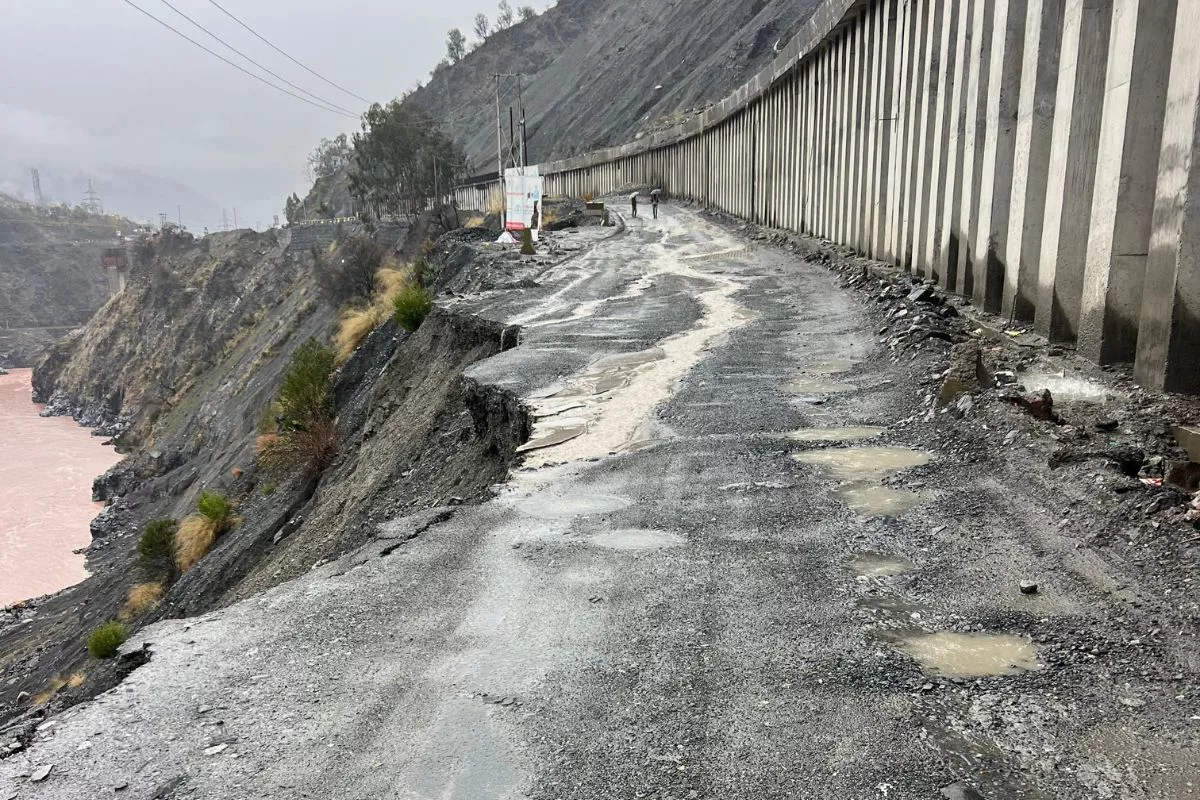
The Phidang Sankalang Route Restoration marks an important step toward improving connectivity in North Sikkim after recent weather-related disruptions. The route was reported cleared as water levels in the affected area returned to safer parameters. Meanwhile, authorities continue to monitor river conditions and vulnerable stretches as the region remains sensitive to heavy rainfall and landslides.
Why Choosing an Authorised Tata Dealer Matters for Your Car Buying and Ownership Journey
Phidang Sankalang Route Restoration Brings Connectivity Relief
The reported clearance of the Phidang-Sankalang route provides relief to residents and travellers who depend on road connectivity in the region. Moreover, restoring movement along the route can improve access between remote settlements and larger administrative centres.
The route has faced significant challenges during periods of intense rainfall in North Sikkim. Heavy rain can rapidly increase water levels, trigger landslides and damage road formations. Therefore, timely clearance remains essential for maintaining safe movement.
Recent developments in the wider Mangan and North Sikkim region highlight the importance of continuous monitoring. The Mangan District Administration recently reported that water levels at Sankalang OP and Phidang OP were normal, although officials noted that the water remained muddy. Authorities also instructed teams at both locations to maintain continuous monitoring and report significant changes immediately.
Furthermore, the reported restoration of the route comes as an important connectivity development after weather-related disruptions affected several parts of North Sikkim. Residents and road users can benefit from improved access, provided conditions remain stable.
Water Levels Stabilise After Recent Weather Disruptions
Water conditions have remained a major concern during recent rainfall events in the region. The official Mangan district update stated that the Teesta and Chyakoong rivers had experienced partial obstruction following a landslide, although the Teesta flow had returned to normal.
Similarly, the administration confirmed that water levels at Phidang and Sankalang were normal. However, the muddy condition of the water demonstrated the continuing impact of the recent weather and slope instability.
Consequently, authorities maintained close observation of river conditions rather than treating the improvement as a reason to stop monitoring. The Police Control Room was also instructed to alert vulnerable areas in the lower belt as a precaution.
This approach remains important because mountain rivers can respond quickly to renewed rainfall. Therefore, even after a road reopens, authorities need to watch water levels, slopes and drainage channels closely.
The latest situation also demonstrates how road connectivity and river conditions remain closely connected in the Himalayan terrain. When rainfall increases, overflowing streams, debris and unstable slopes can affect roads within a short period. Additionally, damage at one point can disrupt connectivity across a much larger area.
North Sikkim Connectivity Faces Continuing Monsoon Risks
The Phidang-Sankalang corridor forms part of a wider network of roads serving North Sikkim and surrounding areas. However, the region has repeatedly faced road disruptions because of landslides, flooding and formation damage.
Earlier in 2026, torrential rainfall caused major disruption around Phidang. A Bailey Bridge over PheeKhola at Phidang in Dzongu was washed away after continuous rain caused the stream to swell. The incident disrupted the connection between Phidang and Sankalang and affected connectivity for several Gram Panchayat Units.
That episode highlighted the vulnerability of transport infrastructure in areas where roads and bridges operate alongside fast-flowing mountain streams. Furthermore, repeated weather events can place additional pressure on infrastructure that has already experienced damage.
Government agencies and road authorities have therefore continued restoration and monitoring work across North Sikkim. Earlier official road-condition reports recorded multiple closures and landslide-affected stretches in the Mangan subdivision, demonstrating the scale of the connectivity challenge in the area.
Meanwhile, restoration efforts elsewhere in North Sikkim have also focused on reopening strategically important routes. In August 2026, the Chungthang-Lachen road link reopened after a four-month disruption following reconstruction work near Taram Chu Bridge.
These developments underline the importance of maintaining reliable road links across the region. For local communities, transporters and essential-service providers, road access plays a critical role in reaching markets, healthcare facilities, schools and administrative centres.
Authorities Continue Monitoring Road and River Conditions
Although the reported clearance of the Phidang-Sankalang route represents positive progress, continued monitoring remains necessary. Mountain roads can remain vulnerable even after visible debris has been removed, particularly when rainfall continues.
Authorities in Mangan have already adopted a monitoring-focused approach following recent landslide activity. Police personnel have been observing affected locations, while officials have been tracking conditions along the Teesta river belt.
Additionally, authorities have maintained communication with vulnerable downstream areas. Such coordination can help officials respond more quickly if water levels rise again or additional slope movement occurs.
The restoration of the Phidang-Sankalang route could also support the movement of residents and essential supplies. However, road users still need to remain attentive to official advisories because conditions can change quickly during periods of heavy rain.
Furthermore, restoring connectivity requires more than clearing a blocked section. Engineers and authorities must assess road stability, drainage, slopes, bridges and nearby waterways to reduce the possibility of renewed disruption.
The broader experience of North Sikkim shows why both immediate clearance and long-term infrastructure resilience matter. While emergency restoration can reopen a road quickly, stronger drainage systems, slope stabilisation and regular inspections can help protect connectivity over the longer term.
Conclusion
The Phidang Sankalang Route Restoration represents an encouraging development for connectivity in North Sikkim as water levels at Phidang and Sankalang have returned to normal parameters. Official authorities, however, continue to monitor river conditions because recent rainfall and landslide activity have created heightened risks across the region. Therefore, continued vigilance will remain essential even as road access improves.
FAQs
1. What is the latest update on the Phidang-Sankalang route?
The route has been reported as cleared, while official information confirms that water levels at Phidang and Sankalang were normal during the latest district assessment.
2. Why is the Phidang-Sankalang route important?
The route supports connectivity for communities in and around North Sikkim and helps maintain access between remote areas and essential services.
3. Are water levels at Phidang and Sankalang currently safe?
The latest official Mangan district update stated that water levels at both locations were normal, although the water remained muddy. Officials were instructed to continue monitoring conditions.
4. Why does North Sikkim face frequent road disruptions?
Heavy rainfall, landslides, swollen streams, unstable slopes and damage to road infrastructure can frequently disrupt connectivity in the mountainous region.
5. Will authorities continue monitoring the Phidang-Sankalang area?
Yes. Officials have maintained monitoring of water levels and surrounding conditions and have instructed local teams to immediately report significant changes.