


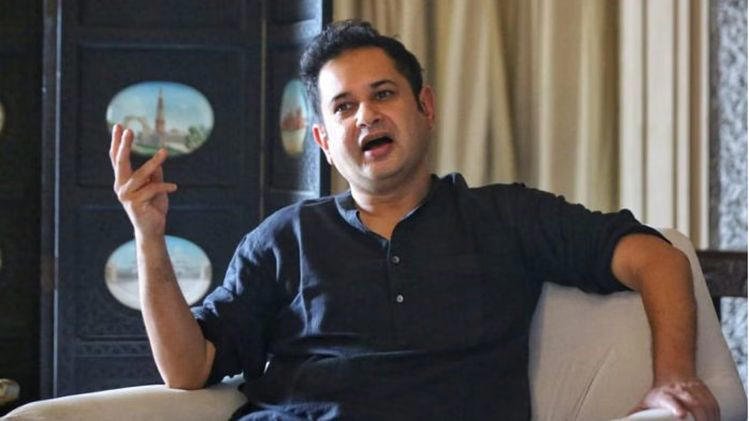
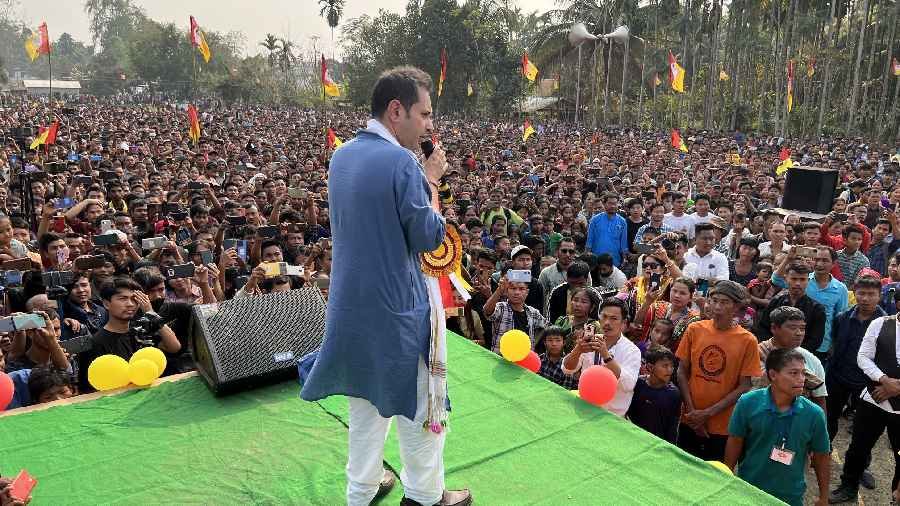
Tripura politics has entered fresh controversy after Pradyot Kishore Manikya Debbarma, royal scion and founder of TIPRA Motha, declared himself the “owner” of certain areas in the state. The comment, made during a public gathering in the hills, triggered sharp political and public reactions. Leaders across the spectrum accused him of reviving outdated claims, while his supporters insisted he spoke symbolically.
The timing of the remark is crucial. Land rights and indigenous autonomy dominate Tripura’s political debate, and Debbarma’s words added more heat to an already tense atmosphere. His claim also reignited discussions on the role of Tripura’s royal family in shaping the present political identity of the state.
Read More: Sikkim Governor Flags Off Bike Rally on Nathula Vijay Diwas
Pradyot Debbarma Tripura Remark Shakes Politics
Addressing his supporters, Pradyot Debbarma declared himself the “owner” of large tracts of land in Tripura, including some important sites. Critics said such words clashed with the democratic idea of collective ownership. They argued that one person, no matter his heritage, cannot claim possession of shared resources.
Opposition leaders accused him of trying to create division by bringing royal history into modern governance. Civil groups echoed the concern, warning that such remarks risked alienating non-tribal communities who see themselves as equal stakeholders in the state.
Supporters of TIPRA Motha defended him. They claimed the remark symbolized the historical bond between the royal family and Tripura’s people, not a literal ownership claim. For them, the words reflected a call to protect indigenous land and cultural identity.
Political Rivals React Strongly
The ruling Bharatiya Janata Party (BJP) condemned Debbarma’s statement. Party leaders said land and resources belong to the citizens of Tripura, not to individuals or dynasties. They asked him to withdraw his claim and adopt language that builds unity.
The Congress called the remark a desperate attempt to regain political ground. According to them, modern Tripura rests on democratic structures, where no royal title grants private authority over public land.
Left parties also attacked Debbarma, stressing that Tripura’s struggles over land always aimed at equality. They accused him of bringing back feudal notions that have no place in today’s political system.
TIPRA Motha Issues Clarification
Facing growing criticism, TIPRA Motha leaders explained that Pradyot Debbarma Tripura comment referred to cultural heritage. They said the royal family acted as protectors of Tripura’s land and people before the 1949 merger with India. His words, they added, highlighted the continued neglect of indigenous voices in governance.
TIPRA Motha members argued that Debbarma wanted to draw attention to their core demand for “Greater Tipraland,” a separate state or council for indigenous people. According to them, his ownership remark fit within the larger push for self-determination.
History Adds Context
Tripura’s history offers insight into the uproar. Before its merger with India, Tripura was a princely state ruled by the Manikya dynasty. The family held control over vast lands and resources. Many older citizens still connect the monarchy with cultural pride and protection of identity.
After independence, Tripura joined the Indian Union under an agreement in 1949. Even then, memories of the monarchy survived, especially among tribal groups. For them, the royal family remains a symbol of security and heritage. Debbarma’s statement found support in this historical sentiment, though others see it as outdated.
Impact on State Politics
The statement could reshape Tripura’s political scene. Supporters view Debbarma as a strong voice defending indigenous rights. His opponents, however, see the claim as proof that he seeks to mix feudal authority with modern politics.
Analysts believe he aimed to energize his tribal voter base before the next elections. Yet, they also note that such rhetoric could alienate non-tribal communities. This dual impact may complicate TIPRA Motha’s strategies for broader alliances.
With elections on the horizon, the controversy provides rival parties with new ammunition. They can question Debbarma’s commitment to democracy while strengthening their outreach to voters concerned about unity and equality.
Civil Society Voices Concern
Civil society groups did not stay silent. Some intellectuals urged leaders to avoid rhetoric that divides communities. They insisted the focus must remain on urgent issues like jobs, healthcare, and infrastructure. Others acknowledged the symbolic weight of Debbarma’s words but argued that symbolism should not distract from real governance challenges.
Public opinion is split. Many indigenous supporters cheered his remarks, seeing them as a bold stand for identity. Non-tribal citizens, however, expressed unease. Youth groups in particular warned against repeating historical claims, urging leaders to embrace inclusivity and forward-looking politics.
The Road Ahead
The row over Pradyot Debbarma Tripura declaration will not disappear soon. His critics continue to demand clarification, while his supporters insist he only highlighted cultural roots. The issue reflects the larger struggle between historical memory and democratic equality in Tripura.
As debates continue, several questions loom large. How much weight should historical ownership carry in modern governance? Can leaders strike a balance between cultural pride and inclusivity? Will such rhetoric polarize voters or rally them under a shared identity?
What remains certain is that Debbarma’s words have sparked one of the most heated debates in recent months. His statement ensured that Tripura’s politics will revolve not just around governance but also around the deeper issues of heritage, identity, and unity.
Read More: Apple India Sales Reach Record $9 Billion