


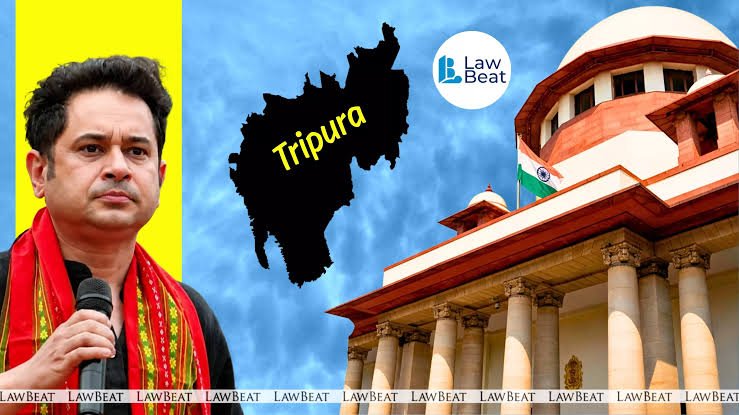
TIPRA Motha founder Pradyot Kishore Manikya Debbarma has cited a Supreme Court victory while strengthening his political message ahead of upcoming elections in Tripura. His reference to the court outcome has added a legal dimension to the party’s campaign, particularly as it continues to emphasise indigenous rights and constitutional safeguards.
Debbarma’s position comes amid heightened political activity in Tripura’s tribal areas. Moreover, TIPRA Motha has continued to demand stronger protection for indigenous communities, including safeguards related to land, culture, political representation, and constitutional rights.
The Supreme Court reference could help the party present its political demands within a broader legal and constitutional framework. However, the electoral impact will depend on how voters interpret the court-related issue alongside local development concerns and the party’s wider political record.
Tripura Election Commission Gears Up for Intense Voter Roll Upgrades
Pradyot Debbarma Highlights Supreme Court Victory
Pradyot Debbarma has brought the Supreme Court outcome into the political conversation ahead of the polls.
For TIPRA Motha, legal developments involving constitutional and indigenous issues can reinforce the party’s broader political narrative. Furthermore, citing a judicial outcome allows the party to argue that its demands have received attention within India’s constitutional framework.
The move could strengthen Debbarma’s campaign messaging among supporters.
However, the specific legal implications depend on the details of the Supreme Court judgment or order being referenced.
Supreme Court Reference Adds Legal Dimension
The Supreme Court reference gives TIPRA Motha another way to frame its political demands.
The party has consistently emphasised constitutional safeguards and protection of indigenous interests. Additionally, a court-related development can help shift the discussion from purely political promises toward questions of legal rights and institutional protection.
This distinction could become important during the election campaign.
However, a judicial decision does not automatically translate into implementation of every political demand.
Indigenous Rights Remain Central
TIPRA Motha continues to place indigenous rights at the centre of its political agenda.
Land protection, cultural identity, political representation, language, and constitutional safeguards remain important themes for the party. Moreover, Debbarma has repeatedly connected these concerns with the long-term political future of Tripura’s indigenous communities.
The Supreme Court reference fits within this wider political narrative.
However, individual legal cases may address narrower questions than the broader political demands raised by a party.
Constitutional Safeguards Feature in Campaign
Constitutional protection remains one of the strongest themes in TIPRA Motha’s election strategy.
The party has argued that indigenous communities require effective safeguards for their political, cultural, and economic interests. Furthermore, it has pushed for concrete commitments rather than relying solely on general political assurances.
Debbarma’s reference to the Supreme Court can reinforce that message.
However, constitutional changes and safeguards require appropriate legal and legislative processes.
Supreme Court Victory Could Boost Political Messaging
A favourable Supreme Court outcome can provide political parties with an opportunity to demonstrate the importance of their legal strategy.
TIPRA Motha can use the development to highlight its willingness to pursue issues through constitutional institutions. Moreover, the court reference could help the party distinguish its approach from purely electoral campaigning.
That could strengthen its narrative ahead of the polls.
However, the political significance of the outcome will depend on the exact relief or finding provided by the court.
Tripura Polls Raise Political Stakes
The Supreme Court reference comes at a politically important time for Tripura.
Political parties are preparing for contests across tribal areas, with candidates and local organisations expected to intensify campaigning. Additionally, TIPRA Motha’s performance will provide an important indication of its grassroots support.
The party could use its legal and constitutional messaging to mobilise voters.
However, local issues such as roads, employment, healthcare, education, and welfare delivery will also influence electoral decisions.
Land Protection Remains Major Concern
Land remains a significant issue within Tripura’s tribal political debate.
TIPRA Motha has emphasised stronger safeguards against threats to indigenous land and community resources. Moreover, land security directly affects agriculture, livelihoods, settlement patterns, and cultural identity.
The party can therefore connect its legal messaging with practical concerns faced by communities.
However, land policy involves several legal and administrative authorities.
Language and Cultural Identity Matter
Language protection also forms part of TIPRA Motha’s broader campaign.
Tribal languages contribute to cultural identity and community continuity. Furthermore, questions about language in education and public life can become part of wider debates over indigenous rights.
Debbarma’s political message can therefore combine legal, cultural, and developmental themes.
However, voters may give different weight to these issues depending on local circumstances.
BJP and Rival Parties Face Political Challenge
The Supreme Court reference could increase pressure on rival political organisations to clarify their positions on indigenous safeguards.
The BJP and other parties may respond by highlighting their own policies, government initiatives, or positions on tribal development. Additionally, competing parties could challenge TIPRA Motha’s interpretation of the court outcome.
This could make the legal issue part of a broader electoral debate.
However, the final political effect will depend on how clearly each side presents its position.
Legal Victory Does Not End Political Debate
A Supreme Court victory can strengthen a political argument, but it does not necessarily resolve every issue surrounding indigenous rights.
Implementation may require administrative action, legislation, policy decisions, or further institutional processes. Moreover, different political organisations may interpret the significance of a judgment differently.
The court outcome therefore becomes one component of a larger political discussion.
However, it can still provide TIPRA Motha with an important campaign reference point.
Grassroots Elections Will Test TIPRA Motha
The upcoming polls will show whether TIPRA Motha’s constitutional and legal messaging translates into electoral support.
The party will need to combine its broader political agenda with strong local candidates and effective grassroots organisation. Furthermore, voters may assess the party according to both its political demands and its ability to address immediate community concerns.
The election results could therefore provide a useful measure of the strategy’s effectiveness.
However, no single issue can determine the outcome of a large grassroots election.
Debbarma Seeks to Strengthen Political Leverage
By highlighting the Supreme Court outcome, Debbarma can reinforce TIPRA Motha’s bargaining position.
A strong electoral performance could give the party greater influence in discussions over constitutional safeguards and future political arrangements. Moreover, legal credibility combined with grassroots support could strengthen its position in negotiations with larger political organisations.
This could become particularly important after the elections.
However, political leverage will ultimately depend on electoral results and future negotiations.
Conclusion
Pradyot Debbarma’s reference to a Supreme Court victory has added a legal and constitutional dimension to TIPRA Motha’s campaign ahead of Tripura’s polls. The party can use the development to reinforce its demands for indigenous rights, constitutional safeguards, land protection, language preservation, and political representation.
Moreover, the court-related message could strengthen TIPRA Motha’s campaign narrative and provide additional leverage in future political discussions. However, the exact significance of the Supreme Court outcome depends on the specific judgment or order involved and should not be overstated without reviewing the legal record.
Overall, the upcoming elections will test whether TIPRA Motha can translate its constitutional and legal messaging into grassroots electoral support. Debbarma’s strategy places the party’s long-standing indigenous-rights agenda firmly at the centre of the political contest.
FAQs
1. What Supreme Court victory is Pradyot Debbarma referring to?
Debbarma is referring to a Supreme Court outcome that he considers relevant to TIPRA Motha’s broader constitutional and indigenous-rights position. The precise legal significance depends on the specific case and ruling being cited.
2. Why is the Supreme Court outcome important to TIPRA Motha?
The party can use a favourable judicial outcome to reinforce its argument for stronger constitutional protection and indigenous rights.
3. What issues does TIPRA Motha highlight?
The party focuses on indigenous rights, constitutional safeguards, land protection, language, cultural identity, and political representation.
4. Could the court outcome influence Tripura’s elections?
It could influence campaign messaging and voter perceptions, but election results will also depend on candidates, local issues, alliances, and voter turnout.
5. Does a Supreme Court victory automatically implement TIPRA Motha’s demands?
No. Depending on the judgment, implementation may require further administrative, legislative, or institutional action.