


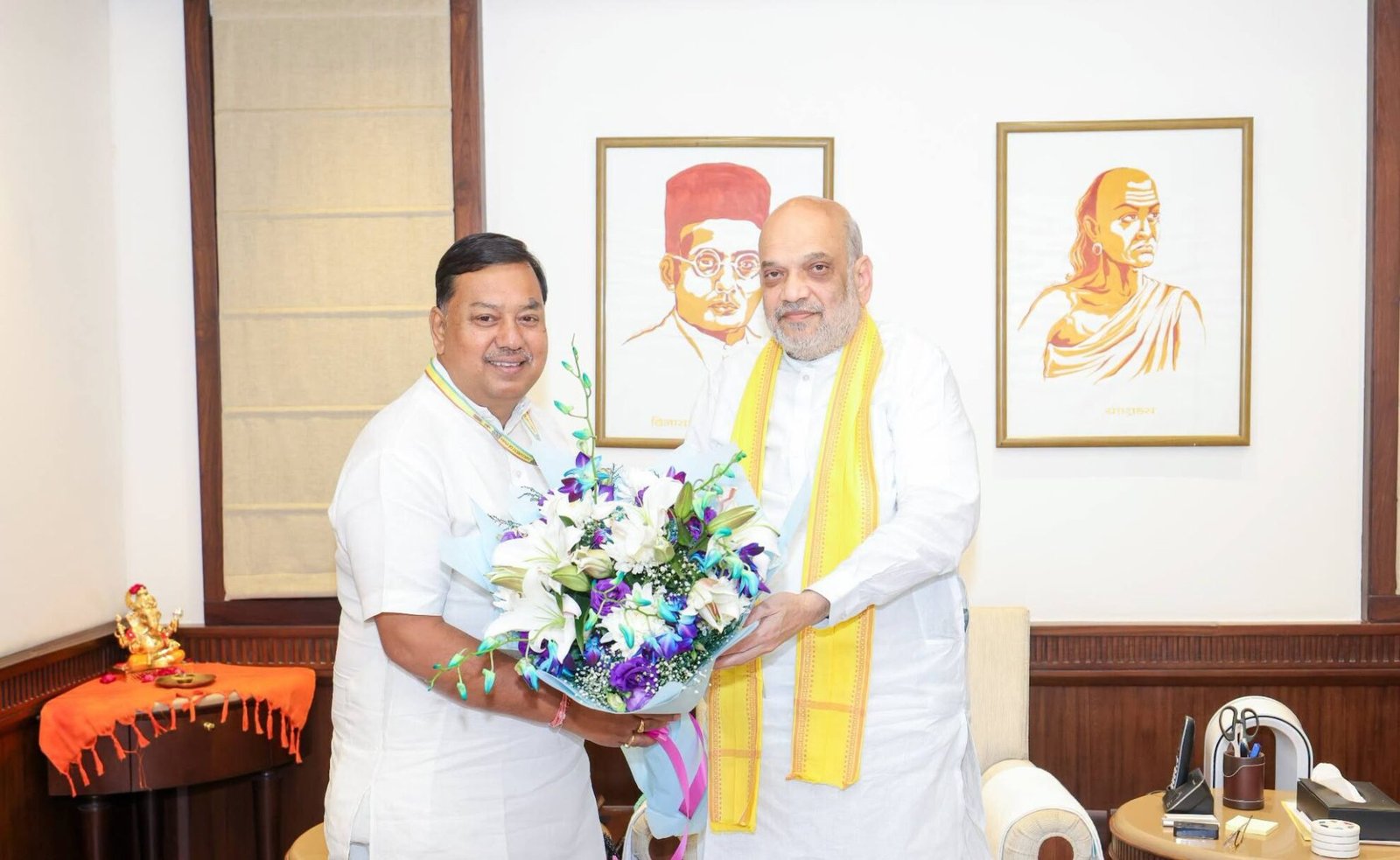
Ram Prasad Paul Amit Shah discussions have drawn attention after Tripura Legislative Assembly Deputy Speaker Ram Prasad Paul met Union Home Minister Amit Shah in New Delhi to discuss infrastructure and development prospects for Tripura. The meeting was held as the state continues to pursue improvements in connectivity, public infrastructure, and development capacity. Moreover, discussions between senior state and central leaders can help strengthen coordination on major development priorities. The meeting has also highlighted the importance of central support for infrastructure projects and long-term growth. Consequently, the interaction could provide further momentum to Tripura’s development agenda as the state seeks greater investment and stronger implementation of key projects.
Manik Saha Defends Vande Mataram Amid Congress Row
Tripura Development Priorities Discussed
The meeting between Ram Prasad Paul and Amit Shah focused on development prospects linked to Tripura’s broader infrastructure needs. State-level priorities can require coordination with the central government, particularly when major projects involve significant financial or administrative support.
Furthermore, discussions at the national level can help bring greater attention to infrastructure requirements within the state. Roads, connectivity, public facilities, and other development projects remain important components of Tripura’s growth plans.
Consequently, the meeting has been viewed as an opportunity to discuss areas where additional support or coordination could be beneficial.
Infrastructure Expansion Remains Important
Infrastructure development continues to play a major role in Tripura’s economic prospects. Improved roads, transport networks, public facilities, and connectivity can strengthen access to markets and essential services.
Moreover, better infrastructure can support investment and create improved conditions for businesses and local communities.
The discussion with the Union Home Minister could therefore help maintain focus on infrastructure-related priorities. However, individual projects would require detailed assessment, approvals, funding, and implementation before tangible outcomes are achieved.
Central-State Coordination Gains Focus
Ram Prasad Paul Amit Shah discussions also underline the importance of coordination between Tripura and the central government. Several large development initiatives require cooperation across different levels of administration.
Therefore, regular communication between state representatives and Union ministers can help address administrative challenges and identify opportunities for additional support.
Furthermore, such meetings can provide a platform for presenting state-specific requirements directly to senior central leadership.
Development Prospects Could Receive Fresh Attention
Tripura’s development prospects are linked closely with its geographic position and connectivity with the wider Northeast and neighbouring regions. Improved infrastructure can help strengthen trade, transportation, tourism, and economic activity.
Consequently, development planning is likely to remain a major priority for the state.
The meeting may also contribute to discussions surrounding long-term infrastructure expansion. However, specific commitments or project timelines would depend on subsequent government decisions.
Connectivity Remains Key Growth Driver
Connectivity remains especially important for Tripura because efficient transportation networks can reduce logistical challenges and improve access to wider markets.
Moreover, stronger road and transport connectivity can benefit agriculture, manufacturing, tourism, and small businesses.
Therefore, infrastructure discussions involving central and state leaders could have broader economic significance. Better connectivity can also improve access to education, healthcare, and other essential services.
Public Infrastructure Needs Continued Investment
Public infrastructure requires sustained investment and effective implementation. Government buildings, roads, bridges, transport facilities, and community infrastructure can directly influence everyday life.
Furthermore, infrastructure improvements can support more efficient delivery of public services.
The meeting between the Deputy Speaker and the Union Home Minister has therefore brought renewed attention to Tripura’s infrastructure requirements. Continued coordination could help advance development priorities where central assistance is required.
Economic Growth Linked to Infrastructure
Infrastructure development and economic growth are closely connected. Improved connectivity can help businesses transport goods more efficiently and reach new markets.
Additionally, better public infrastructure can make regions more attractive to investors and entrepreneurs.
For Tripura, stronger infrastructure could support broader economic diversification. Tourism, agriculture, services, and trade could all benefit from improved connectivity and public facilities.
Tripura’s Regional Role Could Expand
Tripura’s location gives it strategic importance within the Northeast. Improved infrastructure can strengthen connections with neighbouring states and regional markets.
Moreover, stronger transportation links can contribute to greater economic integration across the region.
Consequently, development projects in Tripura can have significance beyond the state itself. However, their impact will depend on effective implementation and long-term maintenance.
Amit Shah’s Role in Development Coordination
As Union Home Minister, Amit Shah is involved in matters concerning the Northeast and the broader administrative coordination of the region.
His interaction with Tripura’s Deputy Speaker provides an opportunity for state-level concerns to be raised directly at the central level.
Furthermore, discussions with senior Union leadership can help maintain political and administrative attention on state development requirements.
Ram Prasad Paul Raises State-Level Concerns
Ram Prasad Paul, as Deputy Speaker of the Tripura Legislative Assembly, holds an important constitutional position within the state’s legislative framework.
His meeting with Amit Shah provided an avenue for discussing Tripura’s development prospects at the central level.
Moreover, such interactions can help strengthen communication between state representatives and Union authorities.
Infrastructure Could Support Employment
Infrastructure expansion can also contribute to employment generation. Construction activity can create direct employment, while improved connectivity can support businesses and services over the longer term.
Therefore, development projects can produce both immediate and wider economic benefits.
Furthermore, stronger infrastructure can help local entrepreneurs access markets and resources more efficiently.
Development Plans Require Effective Implementation
While discussions at the leadership level can create momentum, successful development ultimately depends on implementation.
Projects must move through administrative procedures, funding arrangements, technical assessments, and execution stages.
Consequently, continued monitoring will be important after high-level discussions. Clear timelines and effective coordination can help ensure that proposed development priorities translate into completed projects.
Public Expectations Could Rise
Meetings involving senior political leaders often generate public interest because residents expect tangible improvements in infrastructure and development.
Therefore, Tripura’s citizens may closely watch for concrete outcomes from discussions surrounding the state’s development priorities.
Moreover, transparent communication about approved projects, funding, and implementation timelines can help manage public expectations.
Long-Term Growth Remains Major Priority
Tripura’s development requires sustained planning rather than isolated infrastructure initiatives. Long-term improvements in connectivity, public services, investment, and economic opportunities can strengthen the state’s growth prospects.
As a result, discussions between state and central leaders can contribute to broader development planning.
However, continued coordination and effective execution will remain essential to achieving lasting results.
Conclusion
Ram Prasad Paul Amit Shah discussions in New Delhi have highlighted Tripura’s infrastructure and development prospects. The Tripura Legislative Assembly Deputy Speaker’s meeting with Union Home Minister Amit Shah provided an opportunity to discuss state-level development priorities and the need for stronger infrastructure.
Moreover, improved connectivity and public facilities could support economic activity, investment, employment, and regional integration. Central-state coordination will remain important as development projects move from discussions toward implementation.
Ultimately, the significance of the meeting will depend on the concrete steps that follow. Continued administrative coordination, investment, and effective project execution could help strengthen Tripura’s long-term development prospects.
FAQs
1. Who met Amit Shah in New Delhi?
Tripura Legislative Assembly Deputy Speaker Ram Prasad Paul met Union Home Minister Amit Shah in New Delhi.
2. What was discussed during the meeting?
The discussions focused on Tripura’s infrastructure needs and broader development prospects.
3. Why is infrastructure important for Tripura?
Improved infrastructure can strengthen connectivity, support businesses, improve public services, and contribute to economic growth.
4. How can central support benefit Tripura?
Central support can help advance major infrastructure and development initiatives that require substantial funding or administrative coordination.
5. Can infrastructure development create employment?
Yes. Infrastructure projects can generate direct employment while improved connectivity can support longer-term economic activity.
6. What will determine the impact of the meeting?
The impact will depend on subsequent government decisions, funding, project approvals, coordination, and effective implementation.