


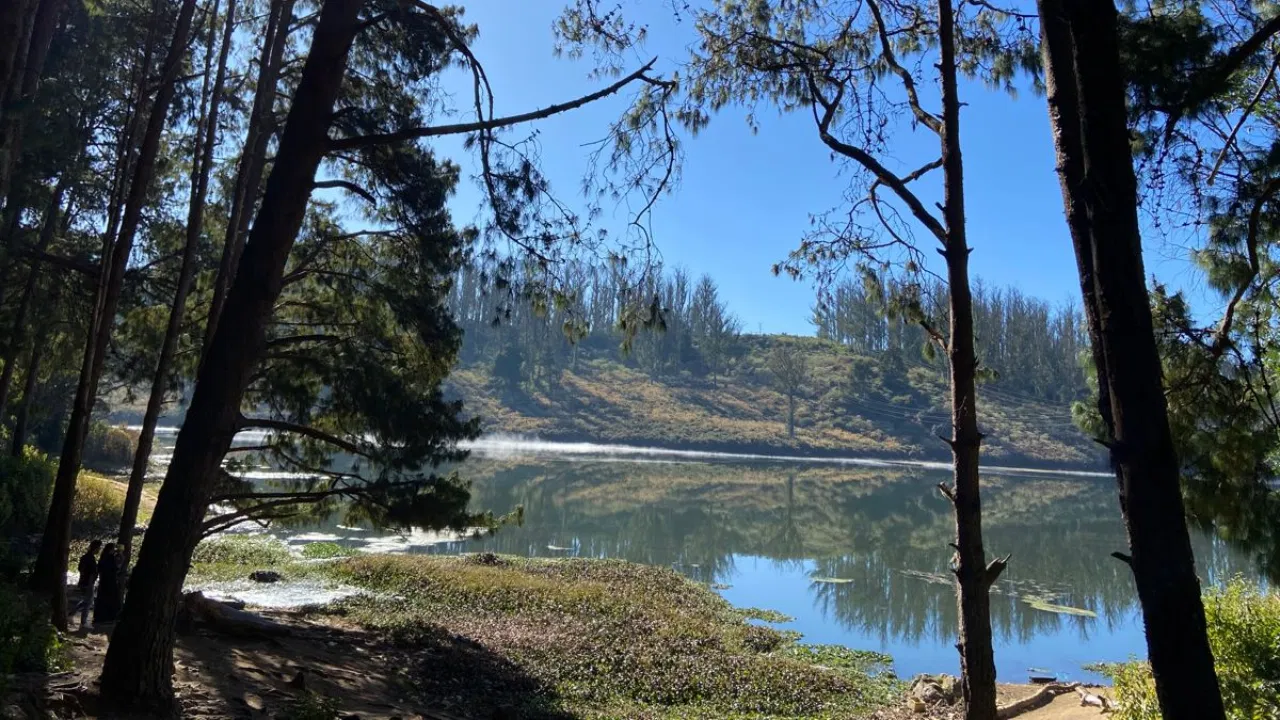
The Glaw Lake Ramsar Designation marks a significant environmental development for Arunachal Pradesh after Glaw Lake was reportedly designated as a Ramsar wetland site of international importance. The recognition places the lake within a global framework for wetland conservation and highlights the ecological value of the region.
Mirabai Chanu Academy: Manipur Finalizes Layout for Dedicated Weightlifting Centre in Imphal
The Designation can strengthen attention toward the protection and sustainable management of the lake and its surrounding ecosystem. Moreover, Ramsar recognition can encourage authorities and local communities to adopt stronger conservation measures for important wetland habitats.
The designation also highlights Arunachal Pradesh’s rich natural environment. Therefore, the new status could support greater scientific research, ecological monitoring, and public awareness about wetland conservation.
Wetlands provide important ecological functions, including supporting biodiversity and regulating water systems. Additionally, protecting these ecosystems can benefit both wildlife and communities that depend on healthy natural landscapes.
Glaw Lake Ramsar Designation Strengthens Wetland Protection
The Designation gives the lake greater international recognition as an ecologically important wetland.
Moreover, Ramsar sites receive attention under the international framework established by the Ramsar Convention on Wetlands. Consequently, the designation encourages countries to promote conservation and the wise use of wetlands.
For Arunachal Pradesh, the recognition adds another important natural site to its conservation landscape. Furthermore, the designation can encourage agencies to develop management strategies that protect the lake while considering the needs of surrounding communities.
Effective conservation will require regular monitoring of water quality, biodiversity, habitat conditions, and human activity. Therefore, scientific assessment can play an important role in protecting the lake over the long term.
Glaw Lake Ramsar Designation Highlights Biodiversity
The Designation also draws attention to the ecological diversity associated with wetlands in Arunachal Pradesh.
Additionally, wetlands can provide habitats for aquatic organisms, birds, plants, and other wildlife. As a result, protecting these areas can help maintain interconnected ecosystems and biodiversity.
The Ramsar recognition could also encourage researchers to study the lake’s ecological characteristics more closely. Meanwhile, conservation programmes can use scientific findings to identify environmental pressures and develop appropriate management measures.
Local communities can also contribute to conservation through responsible use of natural resources. Therefore, community participation can complement government-led protection efforts.
Glaw Lake Ramsar Designation Supports Sustainable Conservation
The Designation could support a broader approach to environmental protection in Arunachal Pradesh.
Moreover, wetland conservation involves more than protecting water bodies alone. It also requires attention to surrounding habitats, water flows, pollution risks, land use, and human activities.
Authorities can use the recognition to strengthen conservation planning and ecological monitoring. Furthermore, greater public awareness can encourage visitors and local residents to adopt practices that reduce pressure on sensitive habitats.
The designation could also create opportunities for environmental education and responsible nature-based tourism. However, any tourism development must prioritise ecological protection and avoid damaging the wetland’s natural character.
Conclusion
The Glaw Lake Ramsar Designation represents an important conservation milestone for Arunachal Pradesh after the lake was reportedly recognised as a Ramsar wetland site of international importance.
Furthermore, the designation can strengthen attention toward biodiversity protection, ecological monitoring, sustainable management, and community participation. It also highlights the environmental importance of Arunachal Pradesh’s wetland ecosystems.
Overall, the Designation could provide a stronger foundation for protecting the lake and promoting long-term conservation of its surrounding natural environment.
FAQs
1. What is the Glaw Lake Ramsar Designation?
The Glaw Lake Ramsar Designation refers to the reported recognition of Glaw Lake in Arunachal Pradesh as a Ramsar wetland site of international importance.
2. What is a Ramsar site?
A Ramsar site is a wetland recognised as being of international importance under the Ramsar Convention on Wetlands.
3. Why is the designation important?
It increases international recognition of the wetland and encourages stronger conservation and sustainable-management measures.
4. How can the lake benefit from Ramsar recognition?
The designation can support ecological monitoring, conservation planning, scientific research, environmental education, and greater public awareness.
5. Can Ramsar status support tourism?
It can increase interest in nature-based tourism, but authorities must manage tourism carefully to protect the wetland and its surrounding ecosystem.