


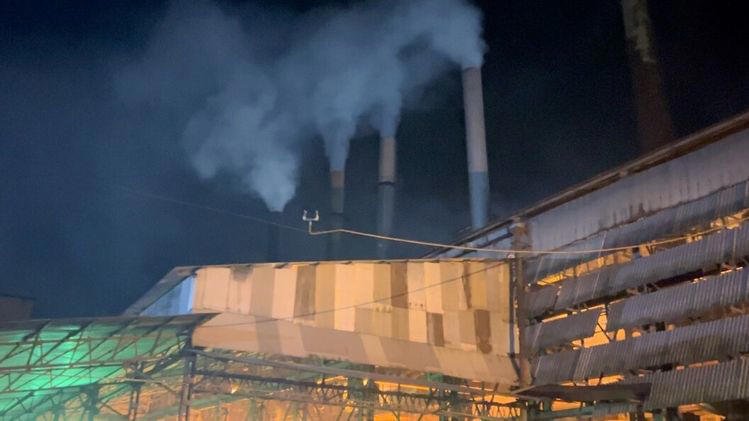
Tensions escalated in pollution-hit Byrnihat in Meghalaya after residents locked an industrial unit, alleging that it was operating illegally and worsening environmental conditions in the area. The action followed growing public anger over air and water pollution, which locals say has severely affected health, livelihoods, and overall quality of life. The incident has once again drawn attention to Byrnihat’s long-standing struggle with industrial pollution and regulatory enforcement.
Byrnihat, located on the Assam–Meghalaya border, has remained under scrutiny for years due to high pollution levels caused by clustered industrial activity. Residents say repeated complaints to authorities have failed to bring lasting solutions. Therefore, they decided to take collective action by shutting down access to the unit they accuse of violating environmental norms.
The development has triggered fresh debate on industrial regulation, environmental accountability, and the rights of communities living in heavily polluted zones.
Read More: BJP–TMP Tie-up Limited to Assembly Polls, No Alliance for TTAADC: Tripura CM
Residents protest in pollution-hit Byrnihat in Meghalaya
Residents of pollution-hit Byrnihat in Meghalaya gathered near the industrial unit early in the day and locked its gates, preventing operations. According to locals, the unit continued functioning despite alleged violations of pollution control norms. They claim emissions and waste discharge from the facility have contributed significantly to deteriorating air quality and contaminated water sources.
Protesters said they have raised the issue multiple times through petitions and local representations. However, they argue that authorities failed to act decisively. As a result, frustration has grown within the community, leading to direct action.
Local leaders supporting the residents said the protest remained peaceful. They stressed that the aim was not confrontation but enforcement of environmental laws that protect public health.
Allegations of illegal operations
Residents allege that the industrial unit operated without proper clearances or violated conditions set by pollution control authorities. According to them, the facility continued production even after repeated warnings about emissions and waste management.
People living nearby say thick dust, foul odour, and polluted runoff have become common. Consequently, respiratory problems, skin ailments, and other health issues have reportedly increased in the area. Parents expressed concern over children and older people, who remain more vulnerable to prolonged pollution exposure.
Activists working in the region said the allegations highlight gaps in monitoring and enforcement. They argued that industrial growth must not come at the cost of public health and environmental safety.
Byrnihat’s growing pollution crisis
Pollution-hit Byrnihat in Meghalaya has emerged as one of the most environmentally stressed industrial zones in the region. Over the years, rapid industrialisation along the border area has led to severe air pollution, with particulate matter levels often exceeding safe limits.
Environmental experts note that Byrnihat’s location amplifies the problem. Industrial emissions affect both Meghalaya and neighbouring Assam, complicating regulatory oversight. Therefore, coordinated action between states becomes essential.
Residents say pollution has also affected agriculture and water bodies. Many farmers complain of reduced crop yield, while others avoid using local water sources due to contamination fears.
Response from authorities
Following the incident, local administration and pollution control officials reached the site to assess the situation. Officials said they have taken note of the residents’ grievances and assured them of an inquiry into the allegations.
Authorities urged protesters to maintain peace and allow regulatory agencies to conduct inspections. They said appropriate action would follow if the unit was found violating environmental laws. However, residents remain sceptical, citing past instances where inspections did not lead to lasting change.
Officials also emphasised that industrial regulation must follow due process. At the same time, they acknowledged the seriousness of pollution concerns in Byrnihat and the need for strict enforcement.
Industry perspective and denial
Representatives linked to the industrial unit reportedly denied allegations of illegal operations. They claimed compliance with existing environmental regulations and said they possess required permissions. According to them, misunderstandings and misinformation have fuelled the protest.
Industry sources argued that sudden closure affects workers and local economy. They said dialogue, rather than confrontation, offers a better solution. However, residents countered that economic arguments cannot justify environmental damage and health risks.
The disagreement highlights the broader conflict between industrial development and environmental protection in pollution-hit Byrnihat in Meghalaya.
Health concerns drive public anger
Health concerns remain the strongest driver behind the protest. Local residents said doctors have increasingly reported pollution-related illnesses. Many families claim rising medical expenses and reduced productivity due to health issues.
Community members said pollution affects daily life in visible ways. Dust settles on homes, crops, and roads, while unpleasant smells linger in the air. Therefore, people feel trapped between industrial expansion and their right to a healthy environment.
Health activists argue that preventive action costs far less than long-term healthcare burden. They insist authorities must prioritise pollution control to protect vulnerable communities.
Environmental groups demand stricter action
Environmental organisations have supported residents’ demands and called for stricter monitoring in pollution-hit Byrnihat in Meghalaya. They urged authorities to conduct transparent inspections and make findings public.
Activists also demanded real-time pollution monitoring systems and regular health surveys. According to them, data transparency empowers communities and ensures accountability. Furthermore, they called for penalties against units that repeatedly violate norms.
Some groups suggested revisiting zoning policies and limiting industrial concentration in ecologically sensitive areas. They argued that sustainable development requires balancing economic growth with environmental responsibility.
Legal and regulatory implications
The incident raises important legal questions about enforcement of environmental laws. Experts said community action often reflects failure of regulatory systems. While protests draw attention, lasting solutions require institutional accountability.
Legal experts noted that environmental laws provide mechanisms to penalise violators, including closure orders and fines. However, enforcement depends on political will and administrative efficiency. Therefore, strengthening regulatory capacity remains critical.
The situation in Byrnihat may also influence future policy discussions on industrial licensing and pollution control in border regions.
What lies ahead for Byrnihat
As authorities begin inquiries, residents of pollution-hit Byrnihat in Meghalaya say they will continue monitoring the situation closely. Many insist they will not allow operations to resume unless compliance is ensured.
The incident underscores the urgent need for coordinated action among government agencies, industries, and communities. Without effective pollution control, conflicts between residents and industrial units may intensify.
For Byrnihat, the episode marks another turning point in its long battle against pollution. Whether it leads to meaningful reform or remains a temporary confrontation will depend on how authorities respond in the coming days. What remains clear is that residents are no longer willing to stay silent about the environmental and health costs they endure.
Read More: World Cancer Day Observed in Morigaon, Assam