


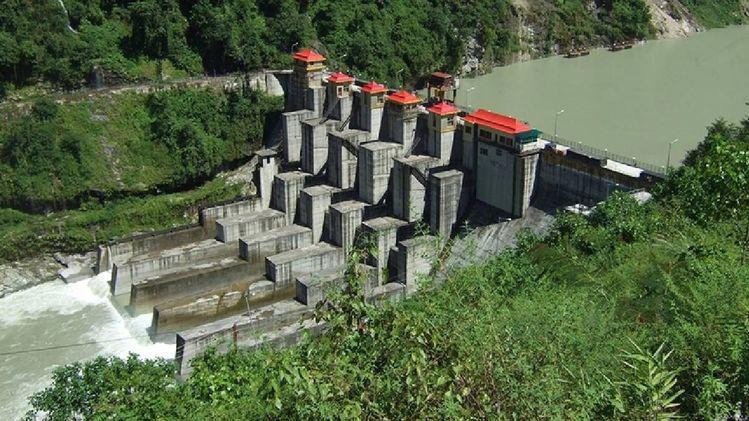
A leader of the Sikkim-based SIBLAC has urged Prime Minister Narendra Modi to halt all new hydropower projects in the state following the recent devastating floods in Nepal.
The leader has also sought an independent investigation into the disaster and its wider implications for Himalayan states. The appeal raises fresh concerns about the safety of large infrastructure projects in the fragile Himalayan region.
The recent floods in Nepal caused extensive damage to roads, bridges and settlements. The disaster has also renewed debate over climate change, glacial events and infrastructure development in ecologically sensitive mountain areas.
SIBLAC, which has raised concerns over hydropower development in Sikkim, has argued that authorities must reassess the risks associated with new projects before approving further construction.
Read More: Tripura Assembly’s monsoon session to focus on ease of doing business
SIBLAC leader writes to Prime Minister Modi
The SIBLAC leader urged Prime Minister Modi to intervene and stop new hydropower projects in Sikkim until authorities complete a comprehensive assessment.
The appeal follows reports linking the Nepal floods to a major glacial or landslide-related event in the Himalayan region.
According to the leader, the disaster should serve as a warning for governments planning large infrastructure projects in fragile mountain ecosystems.
The letter reportedly called for an independent investigation into the Nepal disaster. Such a probe, the leader argued, should examine the factors behind the catastrophic flooding and assess whether similar risks exist elsewhere in the Himalayas.
Sikkim shares the Himalayan ecosystem with neighbouring regions that face similar geological and climatic challenges.
The SIBLAC leader therefore urged the Centre to take a precautionary approach towards future hydropower development.
Nepal floods renew concerns over Himalayan risks
The Nepal disaster has drawn attention to the increasing vulnerability of Himalayan regions.
Extreme rainfall, landslides, glacial events and other natural hazards can trigger devastating floods in mountainous areas.
Climate change has also increased concern about the stability of glaciers and high-altitude lakes.
Scientists have warned that warming temperatures can affect the Himalayan cryosphere. Changes in glaciers and snow cover can alter water flows and increase the risk of sudden disasters.
The recent floods have brought these concerns back into focus.
SIBLAC has argued that governments should consider such risks when planning large hydropower projects.
The organisation believes that authorities must carefully study the cumulative environmental impact of multiple projects within the same river basin.
Demand for independent investigation
The SIBLAC leader has sought an independent probe into the Nepal floods and their causes.
The proposed investigation could examine the sequence of events that led to the disaster. It could also study the role of geological conditions, weather patterns and changes in the high Himalayan environment.
According to the appeal, an independent panel should include experts from relevant scientific and environmental fields.
The investigation should also examine whether authorities can improve early warning systems and disaster preparedness.
The findings could help Himalayan states understand emerging risks.
SIBLAC believes that a detailed investigation would provide important lessons for future infrastructure planning.
The organisation has called for greater transparency in environmental and disaster-risk assessments.
Sikkim hydropower projects face renewed scrutiny
Hydropower remains an important part of Sikkim’s development and energy plans.
The state has significant potential for generating electricity from its Himalayan rivers.
However, several groups and environmental activists have raised concerns about the impact of large projects on the region’s rivers and fragile terrain.
Sikkim also faces risks from earthquakes, landslides and flash floods.
These factors make disaster preparedness and environmental assessment crucial for infrastructure projects.
The 2023 Glacial Lake Outburst Flood in Sikkim highlighted the destructive potential of sudden flooding in the Himalayan region.
The disaster damaged infrastructure along the Teesta River and affected communities downstream.
SIBLAC has used these experiences to argue for greater caution in approving new hydropower projects.
The group’s leader now wants the Centre to pause new proposals until an independent assessment examines the broader risks.
Call for review of future hydropower development
The appeal does not focus only on existing projects.
SIBLAC has specifically urged the government to stop approving new hydropower projects in Sikkim.
The organisation believes that authorities should first conduct detailed scientific studies of the region’s carrying capacity.
Such studies could examine how multiple dams, tunnels and other infrastructure projects affect the same ecosystem.
Environmental groups often call for cumulative impact assessments in regions with several development projects.
SIBLAC has argued that individual project assessments may not fully capture the combined pressure on a river basin or mountain ecosystem.
The leader has urged the Centre to adopt a broader approach.
According to the appeal, future decisions should take into account climate risks, seismic activity and changing conditions in the Himalayas.
Himalayan development requires balance, says SIBLAC
The SIBLAC leader’s appeal highlights the wider challenge of balancing development with environmental safety.
Hydropower can support renewable energy generation and economic development.
At the same time, Himalayan states must manage some of the world’s most fragile ecosystems.
Infrastructure projects require roads, tunnels and construction activity in difficult terrain.
Communities living near these projects may also face risks during floods and landslides.
SIBLAC has argued that development plans should give greater importance to long-term environmental safety.
The organisation wants authorities to involve independent experts and local communities in decision-making.
It has also stressed the need for stronger disaster preparedness systems.
Centre urged to take precautionary approach
The SIBLAC leader has called on Prime Minister Modi to intervene directly in the matter.
The appeal asks the Centre to halt new hydropower projects in Sikkim while an independent investigation examines the Nepal floods.
The proposed pause would allow experts to study whether the disaster carries important lessons for infrastructure planning in the Himalayas.
The organisation has also called for a broader review of environmental and disaster-risk policies.
Its demand comes at a time when Himalayan states continue to face extreme weather events and changing climatic conditions.
SIBLAC believes that the government must place public safety and environmental protection at the centre of future development decisions.
As authorities continue to assess the Nepal disaster, the demand for a pause on new Sikkim hydropower projects is likely to add to the wider debate over development in the Himalayas.
The Centre’s response to the appeal could determine whether the issue leads to a broader policy discussion on hydropower, disaster preparedness and environmental protection in one of India’s most sensitive mountain regions.
Read More: Tejasvi Surya on Gen Z’s Political Rise: CJP a Welcome Move, But Questions Remain