


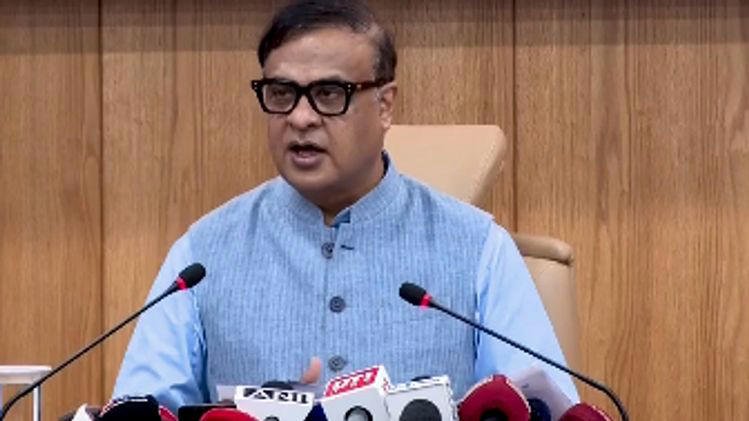
Assam Chief Minister Himanta Biswa Sarma has called for a major transformation of the state’s policing system. He wants Assam Police to become “stronger, modern and people-centric” while responding more effectively to the changing needs of citizens.
Sarma made the remarks during a review of the state’s law and order situation. He directed senior police officials to strengthen investigations, improve technology use and make policing more responsive to the public.
The Chief Minister’s call comes as Assam works to modernise its security infrastructure. The state has also focused on improving police efficiency, strengthening crime investigation and expanding the use of digital tools.
Read More: Meghalaya CM Inaugurates Centre of Excellence for Eri Weaving in Ri Bhoi
Himanta Calls for Modern Police Force
Sarma said Assam needs a police force that can respond to modern security challenges while maintaining a strong connection with ordinary citizens.
He stressed that policing should not focus only on crime control. Police officers must also build public trust and ensure that citizens can approach law enforcement agencies without hesitation.
A people-centric police system requires faster responses, better communication and greater accountability. It also requires officers to understand the needs of different communities across the state.
The Chief Minister’s approach places both technology and public service at the centre of police modernisation.
Technology to Play a Bigger Role
Technology has become increasingly important in modern policing. Assam has already introduced several digital systems to improve investigations and law enforcement.
Sarma has called for greater use of technology to strengthen policing across the state. Digital tools can help officers analyse evidence, track criminal activity and coordinate investigations more efficiently.
Modern surveillance systems can also help authorities respond quickly to security threats. Data-based policing can help identify patterns and allocate police resources more effectively.
The government wants Assam Police to make better use of such tools while ensuring that technology supports, rather than replaces, professional policing.
Focus on Faster Investigations
Improving the quality and speed of investigations remains another important part of the proposed policing overhaul.
Delayed investigations can weaken public confidence in the justice system. Police departments therefore need trained investigators, modern forensic facilities and efficient case-management systems.
Assam has already taken steps to strengthen forensic capabilities. The state has expanded its forensic infrastructure and introduced modern facilities to support criminal investigations.
The use of forensic science can help investigators establish facts through evidence rather than relying only on traditional investigative methods.
Sarma’s emphasis on modern policing reflects the need to build a stronger connection between technology, investigation and prosecution.
People-Centric Policing Is a Priority
The phrase “people-centric” highlights another important part of the Chief Minister’s vision.
Police officers interact with citizens during some of the most difficult moments of their lives. Victims of crime, families of missing people and individuals facing emergencies often depend on the police for immediate assistance.
A people-centric police force must therefore respond with professionalism and sensitivity.
This approach also requires police stations to become more accessible. Citizens should be able to report crimes and seek assistance without facing unnecessary delays.
Improving public interaction can also help police gather information. Communities are more likely to cooperate with officers when they trust law enforcement agencies.
Strengthening Law and Order
Assam faces a range of law and order challenges. These include organised crime, narcotics trafficking, cybercrime and activities linked to insurgent groups.
The changing nature of crime means police forces must constantly upgrade their skills and resources.
Cybercrime, for example, requires specialised knowledge that traditional policing methods cannot always provide. Criminal networks also increasingly use digital platforms to communicate and conduct illegal activities.
Assam Police therefore needs specialised units and trained personnel who can respond to emerging threats.
The government has continued to strengthen police capacity through recruitment, training and modern infrastructure.
Cybercrime Requires Special Attention
The rise of cybercrime has created new challenges for police forces across India. Fraudsters can target victims from anywhere, while criminal networks can operate across state and national borders.
Assam has also seen a growing need for specialised cybercrime investigation. Police departments must track digital transactions, preserve electronic evidence and identify offenders who may operate from outside the state.
Modern policing therefore requires cooperation between cyber specialists, investigators, banks, telecommunications companies and other agencies.
Better technology can also help police detect suspicious financial transactions and identify patterns of cyber fraud.
Training and Skills Must Improve
Technology alone cannot transform policing. Police personnel also need regular training.
Officers must understand new forms of crime and learn how to use modern investigative tools. Training can cover cybercrime, forensic investigation, financial crimes, community policing and emergency response.
Continuous training can also improve communication and leadership skills.
A modern police force needs officers who can work with technology while maintaining strong professional and ethical standards.
The government therefore wants police modernisation to include both equipment and human resources.
Better Coordination Among Agencies
Modern security challenges often require multiple agencies to work together.
Police may need to coordinate with central security forces, intelligence agencies, forensic laboratories and other government departments. Effective coordination can improve information sharing and help agencies respond faster.
Assam’s geographical position also makes interstate coordination important. Criminal networks and trafficking groups can operate across state boundaries.
Closer cooperation with neighbouring states can therefore help Assam Police tackle organised crime and other security threats more effectively.
Assam Police Must Build Public Trust
Public trust remains one of the most important measures of effective policing.
People need confidence that police officers will respond fairly and promptly when they report a crime. They also need assurance that officers will respect the law while carrying out their duties.
A people-centric approach can strengthen this relationship.
Community outreach programmes, regular interaction with residents and greater transparency can help police understand local concerns. Such engagement can also prevent small disputes from developing into larger law and order problems.
A Long-Term Policing Transformation
Himanta Biswa Sarma’s call for a “stronger, modern and people-centric” police force signals a broader approach to policing reform in Assam.
The proposed transformation involves several areas. These include technology, investigation, training, forensic science, cybercrime response and public engagement.
The challenge will lie in turning these priorities into practical improvements at police stations and in communities across the state.
Modern equipment must reach officers on the ground. Training must remain continuous. Investigations must become faster and more evidence-based. Citizens must also see improvements in how police respond to their concerns.
Assam Pushes Towards Modern Policing
The Assam government’s focus on police reform comes as crime and security threats continue to evolve. Traditional policing methods alone cannot address every challenge in an increasingly digital and interconnected society.
By focusing on technology, professional training and stronger investigations, the state aims to create a police force that can respond to these changes.
At the same time, the emphasis on a people-centric approach places citizens at the heart of the reform process.
The success of Assam police reforms 2026 will ultimately depend on implementation. If the government can combine modern technology with skilled personnel, faster investigations and stronger public engagement, Assam Police could become more responsive and effective.
For Assam, the goal is clear: build a police force that is not only stronger against crime but also more accessible, accountable and trusted by the people it serves.
Read More: MEA fact-checks viral post claiming ‘no foreign funding for CJP’ as misleading — here’s the truth