


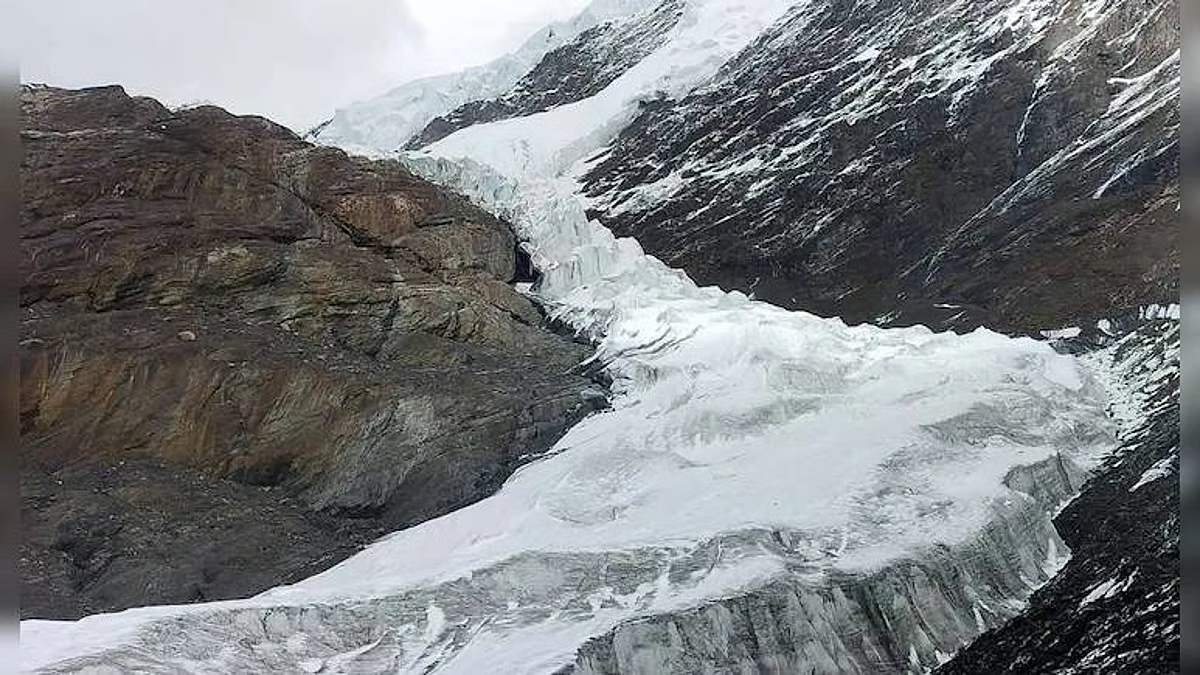
The Tawang GLOF Alert Issued by the district administration on June 9 has placed authorities and residents on heightened vigilance over the potential risk of a Glacial Lake Outburst Flood (GLOF) in Arunachal Pradesh. Officials have intensified monitoring efforts and activated safety protocols to prepare for any emergency situation. Moreover, the alert underscores growing concerns about glacial hazards in Himalayan regions and the importance of disaster preparedness.
Meghalaya Mobile Network Gaps Highlight Connectivity Challenges in Jaintia Hills
Significant Religious Institution Scrutiny Demand Sparks Debate
Tawang GLOF Alert Issued Following Risk Assessment
The Tawang GLOF Alert Issued by the district administration marks a significant precautionary step in response to concerns about a possible Glacial Lake Outburst Flood. Authorities announced the high-alert status on June 9 after assessing conditions that could pose risks to downstream communities.
Moreover, officials have strengthened monitoring mechanisms and emergency preparedness measures to ensure a rapid response if the situation changes. The alert reflects the administration’s focus on public safety and risk mitigation.
What Is a Glacial Lake Outburst Flood?
A Glacial Lake Outburst Flood, commonly known as a GLOF, occurs when water stored in a glacial lake is suddenly released. Consequently, large volumes of water can move downstream at high speed, potentially affecting settlements, infrastructure, and natural landscapes.
Additionally, GLOFs are often associated with mountainous regions where glacial lakes are present. Such events can develop rapidly, making early warning systems and preparedness efforts particularly important.
Authorities Activate High Alert Measures
Following the announcement, local authorities intensified surveillance and coordination activities across vulnerable areas. Therefore, emergency response teams and administrative agencies have been placed on heightened readiness.
Furthermore, officials are maintaining continuous communication with relevant departments to monitor developments and ensure that any necessary action can be taken promptly.
Safety Protocols Strengthened Across the District
The district administration has expanded safety protocols to address the potential threat. Consequently, authorities are reviewing emergency response plans and ensuring that preparedness measures remain fully operational.
Moreover, preventive actions are designed to minimize risks and improve coordination among agencies responsible for disaster management and public safety.
Himalayan Regions Face Growing Climate Challenges
The Tawang GLOF Alert Issued also highlights broader environmental concerns affecting Himalayan regions. Therefore, experts continue to study the impact of changing climatic conditions on glaciers, glacial lakes, and mountain ecosystems.
Additionally, fluctuations in temperature and weather patterns can influence the formation and stability of glacial lakes, making regular monitoring increasingly important.
Monitoring Systems Play a Critical Role
Effective monitoring systems remain essential for assessing potential GLOF risks. Consequently, authorities rely on observations, data collection, and field assessments to track developments in vulnerable areas.
Furthermore, early detection mechanisms help officials make informed decisions and provide timely warnings when necessary. Such systems are a key component of disaster risk reduction strategies.
Importance of Community Preparedness
Community preparedness remains an important aspect of disaster management. Therefore, residents in vulnerable areas are often encouraged to stay informed and follow official advisories during periods of heightened alert.
Moreover, public awareness initiatives help communities understand risks and respond appropriately during emergency situations. Preparedness can significantly improve overall resilience.
Emergency Agencies Coordinate Response Planning
Various agencies are working together to strengthen response capabilities during the alert period. Consequently, coordination among administrative departments, emergency services, and disaster management authorities has been enhanced.
Additionally, collaborative planning helps ensure that resources and personnel can be deployed efficiently if conditions require intervention.
Infrastructure and Public Safety Under Review
Authorities are also reviewing infrastructure and critical facilities that could be affected by potential flooding. Therefore, precautionary assessments are being conducted to identify vulnerabilities and strengthen readiness.
Furthermore, safeguarding transportation links, communication systems, and public services remains a priority during high-alert situations.
Vigilance Continues Across Tawang
The Tawang GLOF Alert Issued remains in effect as officials continue to monitor the situation closely. Meanwhile, authorities have urged residents to remain attentive to official updates and avoid spreading unverified information.
Moreover, ongoing vigilance and preparedness efforts are expected to continue until assessments indicate that the potential risk has diminished.
Conclusion
The Tawang GLOF Alert Issued by the district administration represents a proactive effort to address concerns about a possible Glacial Lake Outburst Flood in Arunachal Pradesh. By declaring a high-alert status and strengthening monitoring systems, authorities have demonstrated their commitment to protecting communities and minimizing potential risks. The alert highlights the importance of preparedness in regions vulnerable to natural hazards associated with mountainous environments.
Moreover, the situation underscores the growing need for continuous observation of glacial systems and effective disaster management strategies. As climate-related challenges increasingly affect Himalayan regions, early warning mechanisms and coordinated emergency planning have become more important than ever. Authorities are working to ensure that response measures remain ready and effective.
Furthermore, community awareness and cooperation will play a crucial role during the alert period. Residents are encouraged to stay informed through official channels and follow guidance issued by local authorities. Overall, the Tawang GLOF Alert Issued serves as a reminder of the importance of vigilance, preparedness, and coordinated action in safeguarding lives and infrastructure against potential natural disasters.
FAQs
Q1. What is the Tawang GLOF Alert Issued?
The Tawang GLOF Alert Issued refers to the high-alert declaration by the Tawang district administration due to concerns about a potential Glacial Lake Outburst Flood.
Q2. What is a Glacial Lake Outburst Flood (GLOF)?
A GLOF occurs when a glacial lake suddenly releases a large volume of water, potentially causing flooding downstream.
Q3. Why did authorities issue the alert?
Authorities issued the alert after identifying potential risks associated with glacial lake conditions and the possibility of sudden water release.
Q4. What measures have been taken following the alert?
Officials have strengthened monitoring systems, activated safety protocols, enhanced coordination among agencies, and increased preparedness efforts.
Q5. What should residents do during the alert period?
Residents should follow official advisories, remain informed through verified sources, and cooperate with safety instructions issued by local authorities.