


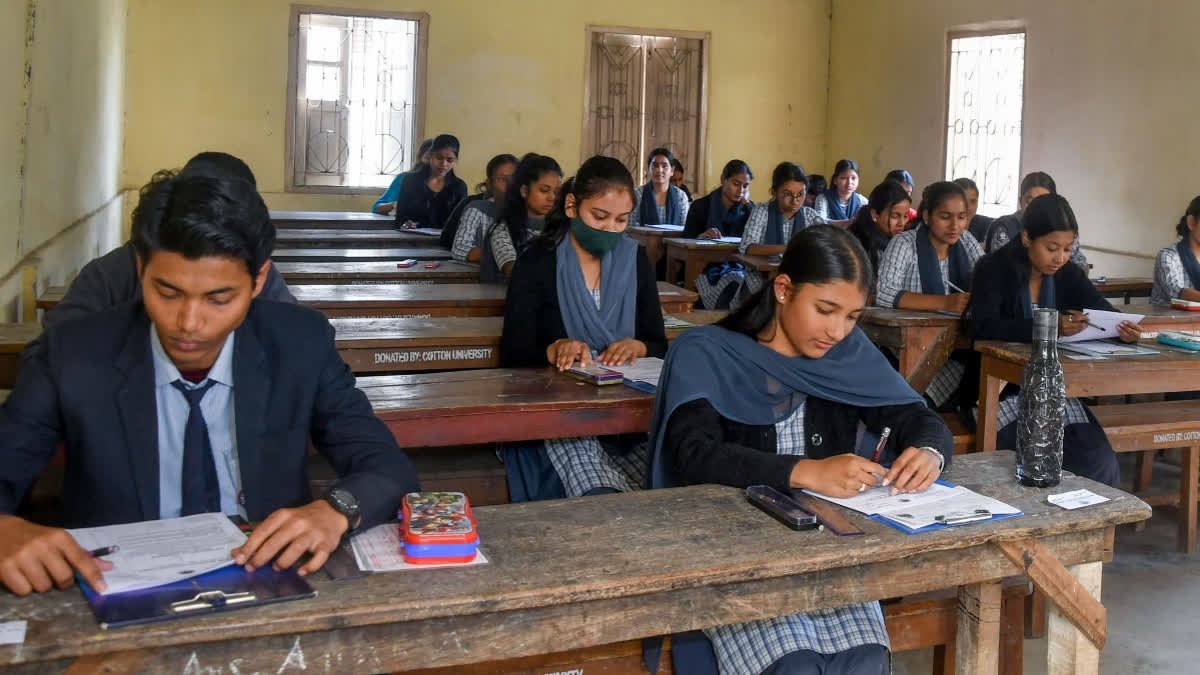
The region has seen an expansion in higher education and technical institutions, marking a significant step toward strengthening its academic and skill development ecosystem. Moreover, this growth reflects a rising focus on improving access to quality education and building a skilled workforce for future economic needs. Consequently, students are gaining more opportunities in engineering, medicine, and applied sciences. Meanwhile, policymakers continue to prioritize education as a key driver of long-term regional development.
Security Forces Collaborate with Locals in Peace-Building and Community Service Programs
Expansion in Higher Education and Technical Institutions Boosts Academic Access
The expansion in higher education and technical institutions across the region has significantly improved access to academic opportunities. Moreover, more colleges and specialized institutes are being established to meet rising student demand.
Higher education plays a crucial role in shaping skilled professionals. Furthermore, increased institutional capacity ensures that students can pursue diverse academic paths. As a result, enrollment in professional and technical courses is steadily rising.
The development reflects a broader effort to strengthen the education ecosystem. Additionally, new institutions are being aligned with modern industry requirements. Therefore, the expansion supports both academic growth and employability.
Meanwhile, governments are investing in infrastructure and faculty development. Similarly, digital learning platforms are being integrated into academic systems. Hence, education quality is also improving alongside expansion.
Although disparities in access still exist in remote areas, progress is gradually bridging gaps. Nevertheless, continued investment is necessary for equitable growth.
Technical Institutions Strengthen Skill Development and Employment Readiness
The expansion in technical institutions is playing a key role in enhancing skill development across the region. Moreover, these institutions are focusing on industry-relevant training and practical learning.
Technical education helps students acquire job-ready skills. Furthermore, courses in engineering, IT, healthcare, and applied sciences are preparing youth for diverse career paths. Consequently, employability among graduates is improving.
The focus on technical education also supports industrial growth. Additionally, collaboration with industries helps align curricula with market needs. Therefore, technical institutions are becoming vital for economic development.
Meanwhile, skill development initiatives are being integrated into educational programs. Similarly, vocational training is gaining importance alongside traditional degrees. Hence, the education system is becoming more employment-oriented.
Although challenges in infrastructure and faculty availability persist, ongoing reforms aim to address them. Nevertheless, sustained focus on quality is essential.
Higher Education Expansion Supports Regional Socio-Economic Growth
The expansion of higher education and technical institutions is contributing directly to socio-economic development in the region. Moreover, education is increasingly being recognized as a foundation for economic progress.
Higher education improves human capital and productivity. Furthermore, educated youth are more likely to contribute to innovation and entrepreneurship. As a result, regional economies benefit from a skilled workforce.
The growth of institutions also encourages research and development activities. Additionally, academic institutions are becoming centers for innovation and knowledge creation. Therefore, education expansion supports long-term development goals.
Meanwhile, governments continue to prioritize educational reforms and funding. Similarly, public-private partnerships are being encouraged in the education sector. Hence, collaborative models are strengthening institutional growth.
Although benefits take time to fully materialize, education remains a long-term investment. Nevertheless, consistent policy support is crucial.
Institutional Growth Enhances Opportunities for Youth Development
The expansion in higher education and technical institutions is enhancing opportunities for youth development across the region. Moreover, students now have access to a wider range of academic and professional courses.
Youth development depends heavily on access to quality education. Furthermore, institutions provide not only academic learning but also exposure to skills and innovation. Consequently, students are better prepared for future challenges.
The growth of institutions also supports social mobility. Additionally, education helps bridge economic and regional disparities. Therefore, institutional expansion contributes to inclusive development.
Meanwhile, career counseling and placement support systems are improving. Similarly, internship opportunities are being integrated into academic programs. Hence, education is becoming more outcome-oriented.
Although competition for quality education remains high, increased availability is easing access. Nevertheless, continued expansion is required.
Conclusion
The region’s expansion in higher education and technical institutions marks a transformative step toward strengthening its educational and economic foundation. Moreover, it is improving access to quality learning and creating more opportunities for youth development. Consequently, it is contributing to a more skilled and capable workforce.
The growth of technical and higher education institutions also supports innovation, employment, and socio-economic progress. Furthermore, it aligns with broader development goals focused on human capital enhancement. As a result, education is becoming a central pillar of regional advancement.
Looking ahead, continued expansion in higher education and technical institutions will be essential for sustaining growth and improving employability. Additionally, investment in infrastructure, faculty, and industry collaboration will further enhance outcomes. Therefore, the education sector is poised to play a key role in shaping the region’s future development.
FAQs
1. What does the expansion in higher education mean?
It refers to the increase in colleges and universities in the region. Moreover, it improves access to education.
2. Why are technical institutions important?
They provide skill-based education and improve employability. Furthermore, they prepare students for industry needs.
3. How does education expansion help the economy?
It creates a skilled workforce and supports innovation. Consequently, it boosts economic growth.
4. What courses are offered in technical institutions?
They offer engineering, IT, healthcare, and applied science programs. Additionally, vocational training is included.
5. Why is higher education important for youth?
It improves career opportunities and personal development. Moreover, it supports social mobility.