


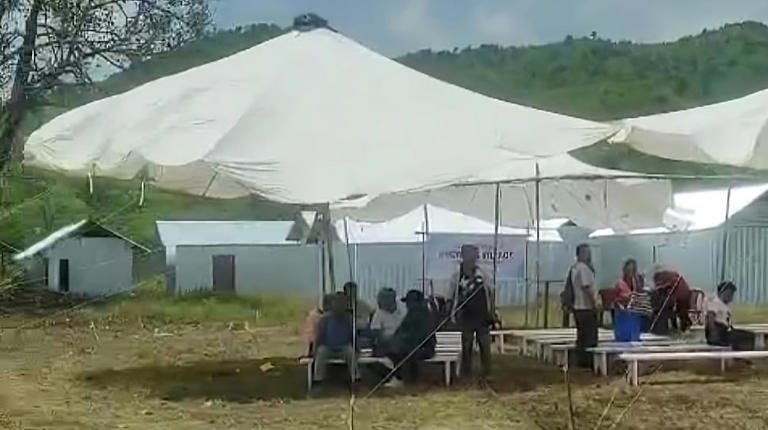
Three years after ethnic violence disrupted lives across Manipur, residents of the displaced Kuki village of Khodang have begun a new chapter with their resettlement in Churachandpur district. The move marks a significant milestone for families who lost their homes and livelihoods during the conflict that erupted in 2023 and led to one of the largest internal displacement crises in the state’s recent history.
For the people of Khodang, the resettlement represents more than just a change of location. It symbolizes hope, stability, and the possibility of rebuilding lives after years of uncertainty. Community leaders and residents have welcomed the development, while emphasizing that long-term rehabilitation and peace remain essential for lasting recovery.
Read More: PM Modi Likely to Join Yoga Day 2026 Celebrations in Kolkata
A Community Uprooted by Violence
The ethnic violence that broke out in Manipur in May 2023 forced thousands of people to flee their homes. Among the affected settlements was Khodang, a Kuki-majority village whose residents had to leave amid growing security concerns and escalating tensions.
Families abandoned homes, farms, and community infrastructure in search of safety. Many sought refuge in relief camps and temporary shelters across Churachandpur and neighboring areas. While emergency assistance helped them survive the immediate crisis, the uncertainty surrounding their future remained a major challenge.
For several years, displaced residents lived away from their ancestral village. Many struggled with limited access to stable housing, employment opportunities, and educational facilities. Despite these difficulties, community members maintained strong social ties and continued to advocate for a permanent solution.
The resettlement process now offers an opportunity to restore a sense of normalcy after years of displacement.
Churachandpur Becomes a New Home
The decision to resettle Khodang residents in Churachandpur reflects efforts to provide displaced families with safer and more stable living conditions. Authorities, community organizations, and local leaders worked together to identify suitable locations and facilitate the transition.
The new settlement includes housing facilities and access to basic services aimed at supporting the rehabilitation process. Families have started moving into their new homes and rebuilding community life.
Residents expressed relief at finally having a place they can call home. Many described the move as an important step toward restoring dignity and security after years of uncertainty.
Community leaders noted that while the new settlement cannot replace memories associated with their original village, it provides an opportunity to create a stable future for the next generation.
Challenges Faced During Displacement
The years spent in temporary shelters tested the resilience of displaced families. Many households experienced financial difficulties after losing access to agricultural land and traditional sources of income.
Children faced disruptions in education, while adults struggled to find consistent employment. Healthcare access also emerged as a challenge for many families living in relief camps.
Women and older people often carried additional burdens during the displacement period. Community support networks helped many residents cope with these challenges, but uncertainty about the future remained a constant concern.
Several families relied on humanitarian assistance and support from community groups. However, most residents viewed long-term resettlement as the only sustainable solution to their situation.
The completion of the resettlement process therefore represents an important achievement for both the community and those involved in rehabilitation efforts.
Importance of Rehabilitation Efforts
Experts emphasize that rehabilitation involves more than providing housing. Successful resettlement requires access to education, healthcare, employment opportunities, and social support systems.
Authorities and community organizations have indicated that efforts will continue to ensure the well-being of resettled families. Infrastructure development, livelihood support, and community services are expected to play important roles in helping residents adapt to their new environment.
Educational facilities remain a priority, particularly for children whose studies suffered disruptions during displacement. Similarly, livelihood programmes could help families regain financial stability and reduce dependence on external assistance.
Community leaders have also highlighted the need for psychological and emotional support. Many residents continue to carry memories of the violence and displacement they experienced.
Therefore, rehabilitation efforts must address both physical and emotional recovery.
Hope for a Better Future
Despite the hardships of the past three years, many Khodang residents remain optimistic about the future. The resettlement has given families a renewed sense of purpose and confidence.
Parents hope their children will grow up in a more stable environment with access to education and opportunities. Young people look forward to rebuilding their lives and contributing to the development of their new community.
Residents have already begun organizing community activities and rebuilding local institutions. These efforts aim to strengthen social cohesion and create a supportive environment for everyone in the settlement.
Community members believe that unity and cooperation will play a crucial role in ensuring the success of the resettlement project.
Broader Significance for Manipur
The resettlement of Khodang carries broader significance for Manipur’s recovery from ethnic violence. The successful rehabilitation of displaced communities remains a critical component of the state’s journey toward peace and stability.
Thousands of people across Manipur continue to face challenges related to displacement and rehabilitation. Therefore, initiatives such as the Khodang resettlement may offer valuable lessons for future recovery efforts.
Observers note that sustainable solutions require cooperation among government agencies, community organizations, and local leaders. Long-term peace depends not only on security measures but also on creating conditions that allow affected families to rebuild their lives.
The Khodang resettlement demonstrates that progress remains possible even after years of hardship.
Looking Ahead
Three years after violence forced residents to flee their homes, the people of Khodang have taken an important step toward rebuilding their future in Churachandpur. The resettlement offers stability, security, and renewed hope for families who endured prolonged displacement.
While challenges remain, the new settlement provides a foundation for recovery and growth. Continued support for housing, education, healthcare, and livelihoods will remain essential in the years ahead.
For the families of Khodang, the journey toward recovery is far from over. However, the resettlement marks a significant milestone in their efforts to rebuild lives disrupted by conflict. As they settle into their new community, residents carry with them hopes for peace, prosperity, and a brighter future for generations to come.
Read More: Education Minister Admits ‘Some Discrepancies’ in CBSE Class 12 Revaluation