


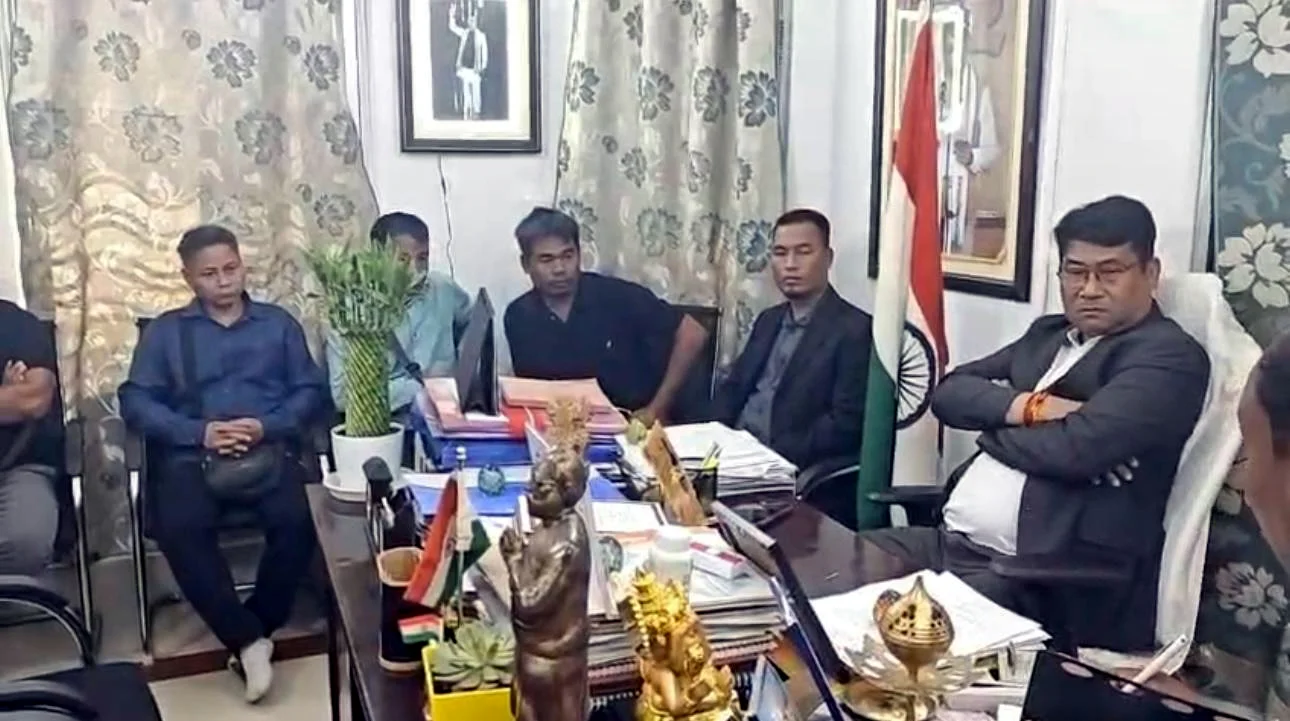
Tribal communities living in several non-tribal dominated areas of Tripura continue to face severe shortages of basic amenities, with access to drinking water, proper roads, and sewage systems remaining persistent challenges. Residents have accused the administration of prolonged mismanagement, alleging that decades of governance have failed to deliver lasting solutions to their everyday problems.
Locals claim that despite repeated assurances, essential infrastructure has not improved. Many villages still depend on unsafe or irregular water sources, while poor road conditions hamper mobility, access to healthcare, and economic activities. The lack of proper drainage and sewage systems has also raised health concerns, especially during the monsoon season.
Read More: KVK Sepahijala Launches IPM Model Village in Tripura
Allegations Against Successive Administrations
Residents said the prolonged 35-year rule of the Left Front, followed by the last five years under the present administration of the Tripura Tribal Areas Autonomous District Council (TTAADC), has not resolved their fundamental issues. According to them, changes in political leadership have not translated into improvements on the ground.
Community members alleged that development initiatives remained confined to paper, while ground realities continued to reflect neglect. They said everyday life in these areas involves constant struggle for clean water, safe roads, and basic sanitation facilities.
Hardships in Daily Life
In regions such as Raima Valley and Kalajhari, residents described how poor infrastructure affects education, healthcare, and livelihoods. Children often travel long distances on damaged roads to attend school, while patients face difficulties reaching medical facilities in emergencies.
Locals also pointed out that inadequate sewage systems have led to unhygienic conditions, increasing the risk of waterborne diseases. They stressed that the absence of basic civic amenities has widened the development gap between tribal and non-tribal regions.
Accusations of Political Exploitation
The minister concerned accused certain political leaders of exploiting tribal sentiments for political gain without offering concrete solutions. He claimed that issues affecting tribal communities, including those in and around the Bru Rehabilitation Centre, often become tools for political rhetoric rather than subjects of meaningful policy action.
According to the administration, some leaders raise expectations during critical political moments but fail to follow through with development initiatives once the spotlight fades.
Administration Promises Action
Officials said the administration plans to conduct an urgent survey in the affected areas to assess ground-level problems. Based on the findings, authorities intend to prepare proposals to improve drinking water supply and strengthen road connectivity.
The administration claimed it would prioritize long-pending issues and work toward sustainable solutions instead of temporary measures. Officials also stated that inter-departmental coordination would play a key role in addressing infrastructure gaps.
Skepticism Among Residents
Despite these assurances, residents remain skeptical. Many pointed out that similar promises were made in the past but did not result in tangible change. Years of neglect have eroded trust, and locals say they will believe in improvement only when visible work begins.
People living in Raima Valley and Kalajhari said they continue to wait anxiously, hoping that the latest assurances will finally translate into relief. Community leaders stressed the need for time-bound action plans, transparent monitoring, and regular engagement with local residents.
Call for Sustainable Development
Experts and social activists have emphasized that addressing infrastructure issues in tribal areas requires long-term planning and inclusive governance. They argue that sustainable development must focus on basic needs such as water security, sanitation, and connectivity to improve overall quality of life.
As debates over accountability and governance continue, the plight of tribal communities in non-tribal dominated areas remains a pressing concern. Whether the promised surveys and proposals will bring meaningful change remains to be seen, but for now, residents continue to struggle with unmet basic needs and unfulfilled promises.
Also Read: Manipur Journalists Protest Attack on Editor Khoiram Loyalakpa